

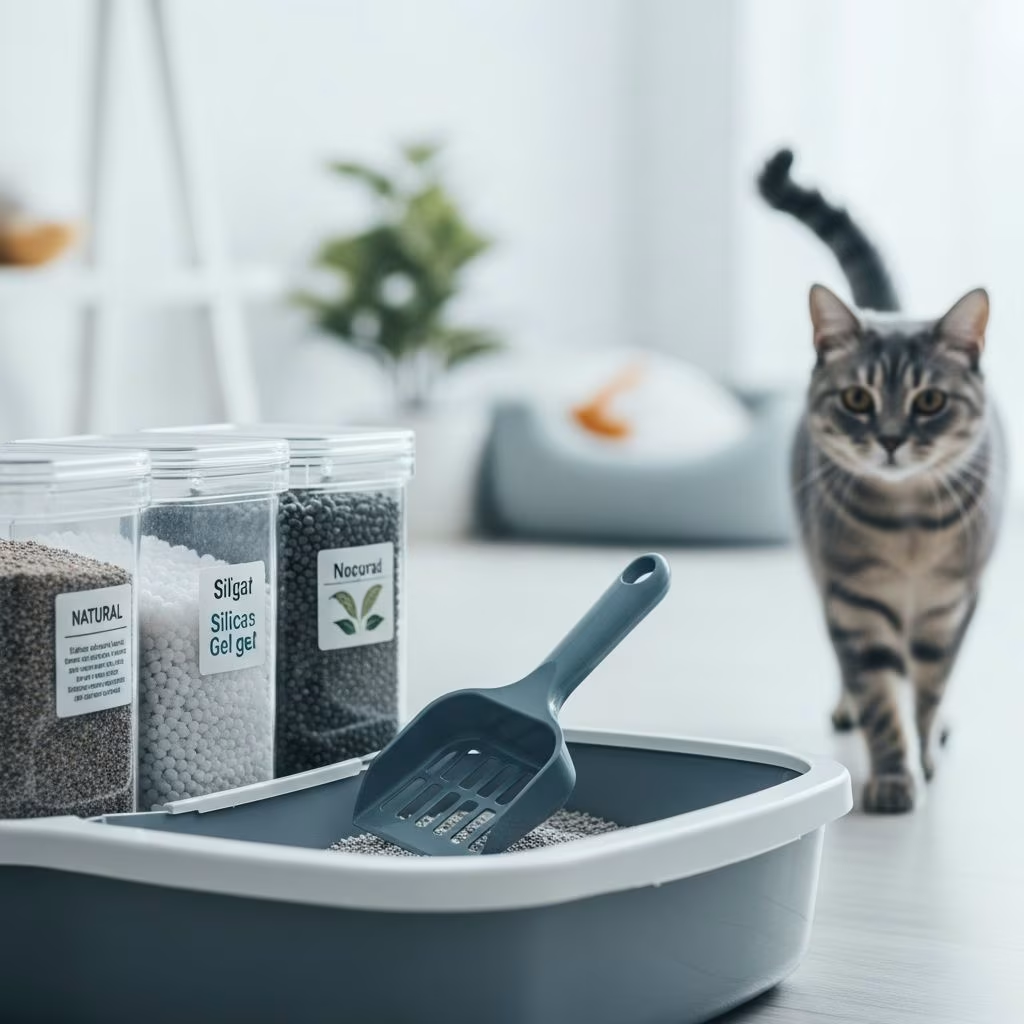
Cat ownership brings joy and companionship, but it also introduces potential health considerations that many pet owners overlook. The litter box, while essential for indoor feline hygiene, can present several safety challenges for both humans and cats. Understanding these risks and implementing proper precautions helps create a healthier environment for everyone in your household.
Understanding the Dual Nature of Litter Box Health Concerns
The safety implications of cat litter extend beyond simple cleanliness. Multiple factors contribute to potential health hazards, ranging from microscopic dust particles to chemical additives and biological pathogens. These concerns affect not only the primary cat owner but also family members, including children and pregnant women, who may have heightened vulnerability to certain litter-related health risks.
Airborne Particles and Respiratory Health Threats
One of the most significant safety concerns involves the inhalation of fine dust particles released from litter boxes. When cats dig in their litter or cover their waste, they disturb the substrate, releasing particles into the surrounding air. This becomes especially problematic with traditional clay-based litters, which generate substantial dust during normal use.
How Dust Affects the Respiratory System
Fine dust particles can penetrate deep into the lungs, bypassing natural defense mechanisms. Regular exposure to these particles accumulates over time, potentially triggering or exacerbating respiratory conditions. Individuals with preexisting respiratory sensitivities experience more immediate effects, including coughing, sneezing, and wheezing when exposed to dusty litter environments.
Chronic dust inhalation poses cumulative risks that develop gradually. Even individuals without pre-existing respiratory conditions can develop sensitivity through prolonged exposure. The risk intensifies in homes with poor ventilation, where dust particles remain suspended in the air longer and concentrate at higher levels.
Respiratory Conditions Linked to Litter Dust
- Asthma Development and Aggravation: Dust particles trigger airway inflammation and bronchoconstriction, narrowing airways and restricting airflow. For asthmatic individuals, this creates immediate breathing difficulties; for others, repeated exposure may lead to asthma development.
- Bronchitis and Chronic Inflammation: Prolonged dust exposure inflames the bronchial tubes, causing persistent coughing and mucus production. This inflammation can become chronic with continued exposure.
- Silicosis from Silica-Based Litters: Certain commercial litters contain crystalline silica, which generates particularly dangerous dust. Inhaling silica dust causes lung inflammation and can lead to a serious condition called silicosis.
- Allergic Rhinitis: Dust particles trigger allergic responses in susceptible individuals, causing nasal inflammation, congestion, and persistent sneezing.
Chemical Exposure and Toxic Additives
Beyond natural dust particles, many commercial cat litters contain chemical additives designed to enhance performance. These additives serve purposes such as odor control, moisture absorption, and clumping ability, but they introduce potential chemical hazards into the home environment.
Common Chemical Additives and Their Effects
Fragrances added to litters often contain volatile organic compounds (VOCs) that vaporize at room temperature. Inhaling these compounds irritates the respiratory tract and can trigger allergic responses in sensitive individuals. Some fragrances contain synthetic chemicals linked to endocrine disruption and long-term health effects.
Antibacterial agents incorporated into certain litters prevent bacterial growth but may cause contact dermatitis or skin irritation. These chemicals can be absorbed through the skin or ingested when cats groom themselves after using the litter box.
Potential Health Effects from Chemical Exposure
- Respiratory Irritation: VOCs and chemical odors irritate nasal passages and throat tissues, causing discomfort and inflammation
- Allergic Reactions: Synthetic fragrances and antimicrobial agents trigger immune responses in chemically sensitive individuals
- Skin Irritation and Dermatitis: Direct contact with litter containing irritating chemicals causes rashes, itching, and dermatological issues
- Systemic Toxicity: Certain chemical compounds accumulate in the body with repeated exposure, potentially affecting liver and kidney function
- Hormonal Disruption: Some additives contain compounds like bisphenol A (BPA) that interfere with endocrine system function
Parasitic and Microbial Threats
Cat litter boxes harbor various biological pathogens that pose infection risks, particularly to vulnerable populations. Understanding these threats and implementing protective measures significantly reduces transmission risk.
Toxoplasmosis: The Paramount Parasitic Concern
Toxoplasmosis, caused by the parasite Toxoplasma gondii, represents one of the most serious health risks associated with cat litter. Cats become infected by consuming infected prey or contaminated food, and they shed parasitic oocysts in their feces for several weeks following infection. These oocysts contaminate the litter box and remain viable for extended periods.
Humans contract toxoplasmosis through ingestion of oocysts, typically via contaminated hands, food, or water. While healthy individuals often experience mild or no symptoms, the infection poses serious risks for specific populations. Pregnant women can transmit the infection to their developing fetuses, potentially causing congenital complications including eye damage, brain damage, and severe neurological issues. Individuals with compromised immune systems—including those with HIV/AIDS, cancer patients undergoing treatment, and organ transplant recipients—face severe disease manifestations.
Bacterial and Fungal Infections
Improperly maintained litter boxes become breeding grounds for various bacteria, including pathogenic strains that cause urinary tract infections (UTIs), gastrointestinal infections, and wound infections. Bacteria such as E. coli, Salmonella, and Staphylococcus species proliferate in warm, moist litter environments. Additionally, fungal organisms can establish infections through skin contact or inhalation of spores.
Ammonia Exposure from Accumulated Waste
Ammonia, produced by bacterial decomposition of urine in litter boxes, creates a colorless gas with pungent odor. This toxic gas causes multiple health effects including respiratory irritation, eye inflammation, dermatological reactions, and gastrointestinal disturbances. Accumulated ammonia in poorly ventilated spaces reaches concentrations sufficient to cause significant health impacts.
Specific Health Risks for Cats
While protecting human family members, pet owners must also consider how litter choice and maintenance practices affect feline health and wellbeing.
Feline-Specific Health Complications
Cats experience direct exposure to litter dust and chemicals during elimination and grooming. Dust inhalation causes respiratory symptoms including coughing, sneezing, and asthma development. Additionally, cats ingest litter particles through grooming, leading to gastrointestinal complications ranging from mild digestive upset to serious blockages requiring veterinary intervention.
Certain litter types cause allergic reactions and skin irritation in susceptible cats. Poor litter box hygiene increases infection risk, including bacterial UTIs and fungal infections. Some commercial litters may contain ingredients toxic to cats when ingested in sufficient quantities.
Risk Stratification: Who Faces Greatest Danger
Certain populations experience heightened vulnerability to litter-related health hazards and should implement particularly stringent safety measures.
| Vulnerable Population | Primary Risk Factors | Recommended Precautions |
|---|---|---|
| Pregnant Women | Toxoplasmosis transmission to fetus; congenital complications | Avoid litter box cleaning; use protective gear if unavoidable; practice strict hand hygiene |
| Immunocompromised Individuals | Severe toxoplasmosis; opportunistic infections | Minimize direct contact; ensure frequent litter box cleaning; use antimicrobial litters |
| Young Children | Accidental ingestion; hand-to-mouth transmission | Supervise litter box interaction; teach proper hygiene; maintain separate play areas |
| People with Asthma/Allergies | Dust-triggered respiratory exacerbation | Use dust-free litters; ensure proper ventilation; place litter box away from living spaces |
| Elderly Individuals | Reduced immune function; fall risks near boxes | Ensure litter box accessibility; use low-dust options; maintain cleanliness |
Safer Litter Alternatives and Selection Strategies
Modern pet product innovation has produced numerous litter alternatives that significantly reduce health risks while maintaining functional performance.
Low-Dust and Dust-Free Options
Plant-based litters derived from materials such as tofu, corn, wheat, and pine generate minimal dust compared to traditional clay products. These biodegradable alternatives provide clumping action similar to conventional litters while dramatically reducing airborne particle exposure. Tofu-based litters offer particular advantages, combining low dust production with natural odor control and environmental sustainability.
Chemical-Minimized Formulations
Premium litter brands formulate products specifically to minimize chemical additives. Fragrance-free options eliminate volatile organic compound exposure. Litters produced without antibacterial agents reduce chemical contact while maintaining hygiene through clumping mechanisms and natural odor control properties.
Natural Odor Control Methods
Rather than relying on synthetic fragrances, some litters incorporate activated charcoal, baking soda, or essential oil-based scents that provide odor control without harmful chemical additives. These natural approaches maintain air quality while effectively managing litter box odors.
Implementing Protective Practices
Beyond litter selection, specific household practices significantly reduce health risks associated with cat litter.
Ventilation and Air Quality Management
Proper air circulation prevents dust and ammonia accumulation. Placing litter boxes in well-ventilated areas, away from living spaces and bedrooms, limits household exposure. Air purifiers equipped with HEPA filters remove fine dust particles and chemical compounds from the surrounding environment. Regular window opening and the use of exhaust fans enhance air exchange rates.
Cleaning and Hygiene Protocols
Daily litter box maintenance prevents pathogenic organism proliferation and ammonia accumulation. Scooping waste at least once daily, thoroughly cleaning boxes weekly with hot water and pet-safe disinfectants, and replacing litter completely at regular intervals maintain sanitary conditions. Wearing disposable gloves during cleaning minimizes direct contact with potentially contaminated materials.
Personal Hygiene After Litter Interaction
Washing hands thoroughly with soap and warm water immediately after any litter box contact prevents pathogenic transmission. This simple practice proves particularly critical for individuals in vulnerable populations. Avoiding hand-to-face contact before hand washing reduces infection risk substantially.
Barrier Protection During High-Risk Situations
Individuals in vulnerable populations should wear disposable gloves and consider N95 masks when unavoidable litter box exposure occurs. These barriers provide direct protection against dust inhalation and pathogenic contact. Changing clothes after litter box interaction and washing contaminated clothing separately further reduces transmission risk.
Environmental and Disposal Considerations
The production and disposal of cat litter carries environmental implications that inform informed consumer choices. Traditional clay-based litters derive from strip mining operations that cause land degradation, habitat destruction, and resource depletion. Plant-based alternatives offer more sustainable disposal options, with many products remaining compostable or biodegradable.
Choosing environmentally responsible litters that minimize mining impacts and remain biodegradable supports both household health and planetary sustainability. Proper disposal methods prevent environmental contamination while supporting responsible waste management practices.
Frequently Asked Questions About Litter Safety
Can clean litter boxes prevent toxoplasmosis transmission?
Clean litter that lacks visible fecal matter contains no parasitic oocysts and poses minimal toxoplasmosis risk. However, the time required for oocysts to become infective (typically 24-48 hours) means that extremely frequent cleaning protocols can reduce—though not entirely eliminate—transmission risk.
What symptoms indicate litter-related health problems?
Persistent coughing, sneezing, wheezing, respiratory congestion, skin rashes, eye irritation, nausea, or unexplained gastrointestinal symptoms warrant medical evaluation. These symptoms may relate to dust exposure, chemical sensitivity, or parasitic infection.
How often should litter boxes be completely replaced?
Complete litter replacement occurs typically every 1-2 weeks for most households, depending on the number of cats, litter type, and box size. More frequent replacement in small spaces or homes with many cats prevents ammonia and pathogenic organism accumulation.
Do all cats shed toxoplasmosis parasites in their litter?
Only cats with active toxoplasmosis infections shed oocysts, and only for a limited period following initial infection. Most indoor cats never become infected. However, since infection status may be unknown, treating all litter as potentially infectious provides maximum protection.
Which litter type provides the safest option?
Plant-based, dust-free litters without chemical additives offer the safest profile for most households. Individual selection should consider specific health sensitivities, cat preferences, and environmental values.
Conclusion: Creating a Safe Litter Environment
Understanding cat litter safety empowers pet owners to make informed choices protecting their families’ health. By selecting appropriate litter products, implementing proper maintenance practices, ensuring adequate ventilation, and following basic hygiene protocols, households can significantly reduce exposure to dust, chemicals, and pathogens. These measures benefit both human family members and feline companions, creating safer, healthier homes for everyone sharing the household.
References
- Can Cat Litter Make You Sick? Health Risks and Safe Practices — Michu Pet. Accessed January 29, 2026. https://michupet.com/blogs/guide/can-cat-litter-make-you-sick
- Hidden Dangers in Cat Litter: What Every Pet Parent Should Know — Michu Australia. Accessed January 29, 2026. https://michu.com.au/blogs/news/hidden-dangers-in-cat-litter-what-every-pet-parent-should-know
- Are You at Risk? The Surprising Dangers of Cat Litter — InstaChew. Accessed January 29, 2026. https://www.instachew.com/blogs/news/are-you-at-risk-the-surprising-dangers-of-cat-litter
- The Hidden Dangers of Litter Boxes and Safer Alternatives — Ruff Start Rescue. February 13, 2025. https://ruffstartrescue.org/2025/02/13/hidden-dangers-of-litter-boxes/
- Is Kitty Litter Dangerous? — Dr. Andrew Weil. Accessed January 29, 2026. https://www.drweil.com/health-wellness/balanced-living/pets-pet-care/is-kitty-litter-dangerous/



