

Cat ownership brings companionship and joy to millions of households worldwide, yet it also introduces potential health considerations that responsible pet owners should understand. While direct contact with cats poses minimal disease risk for most people, the litter box environment presents a different scenario. Several infectious agents can persist in cat waste and contaminated litter, creating pathways for disease transmission to humans. Understanding these risks, recognizing vulnerable populations, and implementing appropriate preventive measures enables pet owners to maintain a safe household while enjoying their feline companions.
The Parasite That Demands Pregnant Women’s Attention
Among all diseases associated with cat litter, toxoplasmosis stands as the most widely discussed concern, particularly for women of childbearing age. This infection results from exposure to Toxoplasma gondii, a microscopic parasite that cats commonly harbor without displaying illness symptoms. The parasite’s lifecycle makes cats uniquely important in its transmission cycle—cats become infected by consuming contaminated prey such as rodents, birds, or other small animals that carry the organism.
Once infected, cats shed millions of parasitic structures called oocysts in their feces for extended periods following initial infection. Young kittens present particular concern, as they may shed oocysts for up to three weeks after becoming infected. Adult cats that have previously encountered the parasite show reduced shedding likelihood, though they can still transmit it. The critical distinction for prevention purposes involves understanding the maturation timeline: oocysts require one to five days of development in the litter box environment before achieving infectivity. This window provides an important opportunity for prevention through frequent litter maintenance.
The threat to developing fetuses justifies the extensive warnings given to expectant mothers. When a non-immune pregnant woman becomes infected with toxoplasmosis, Toxoplasma gondii can cross the placental barrier and cause significant birth defects in the developing baby. These outcomes represent serious health consequences, making prevention particularly critical during pregnancy. However, direct contact with cats themselves poses minimal transmission risk—the danger lies specifically in contact with feces-contaminated materials.
Bacterial Infections from Feline Sources
Beyond parasitic concerns, bacterial pathogens present in cat feces create additional health considerations. Salmonella bacteria can colonize the gastrointestinal tracts of infected cats, who subsequently shed the organism in their stool. When humans accidentally ingest Salmonella through contaminated hands or materials, infection develops within one to three days, typically causing diarrhea, fever, and abdominal pain. While most cases resolve independently, severe infections may require medical intervention, particularly when the bacteria spread beyond the digestive system.
Another bacterial concern involves Bartonella henselae, which causes cat scratch disease. Although this bacterium typically transmits through scratches and bites, research indicates it can also exist in flea feces that contaminate litter boxes and potentially enter human bodies through open wounds. This transmission route, while less common than direct scratch transmission, underscores the importance of comprehensive hygiene practices around litter management.
Parasitic Infections Beyond Toxoplasmosis
While toxoplasmosis captures significant attention, other parasitic infections warrant consideration. Cryptosporidiosis, caused by Cryptosporidium organisms, can transmit through direct or indirect contact with infected cat feces. This infection produces symptoms including diarrhea, vomiting, fever, abdominal cramps, and dehydration in both cats and humans. Immunocompromised individuals face the greatest risk of severe disease development.
Hookworms and roundworms, transmitted through contact with contaminated soil or feces, can cause cutaneous larva migrans—an intensely itchy skin condition characterized by raised, red linear lesions that follow the parasite’s migration beneath the skin. These conditions, while treatable, create significant discomfort and warrant prevention through proper hygiene and environmental management.
Vulnerable Populations Requiring Enhanced Precautions
Not all household members face equal risk from litter-associated infections. Pregnant women, immunocompromised individuals, and young children represent populations requiring heightened protective measures. Immunosuppressed persons—including those with HIV/AIDS, undergoing chemotherapy, or taking immunosuppressive medications—face substantially elevated risks of severe infection from multiple litter-transmitted organisms. For these individuals, having another household member assume full litter box responsibility becomes medically advisable rather than merely convenient.
Pregnant women without prior toxoplasmosis exposure face particular vulnerability, as primary infection during pregnancy carries the highest risk of congenital transmission and severe fetal consequences. Even women with prior exposure benefit from additional precautions, as reinfection, though uncommon, remains theoretically possible in immunocompromised pregnant women.
Young children, still developing immune competence and less consistent with hygiene practices, also warrant special consideration. Their tendency to place contaminated hands in mouths creates direct transmission pathways that require careful supervision and intervention.
Practical Prevention Strategies for Daily Litter Management
Effective disease prevention begins with understanding that litter box maintenance represents the primary intervention point for reducing transmission risk. The recommended protocol involves daily removal of feces from litter boxes, eliminating potentially infectious material before oocysts and other pathogens complete their maturation process. This single practice substantially reduces environmental contamination and transmission likelihood.
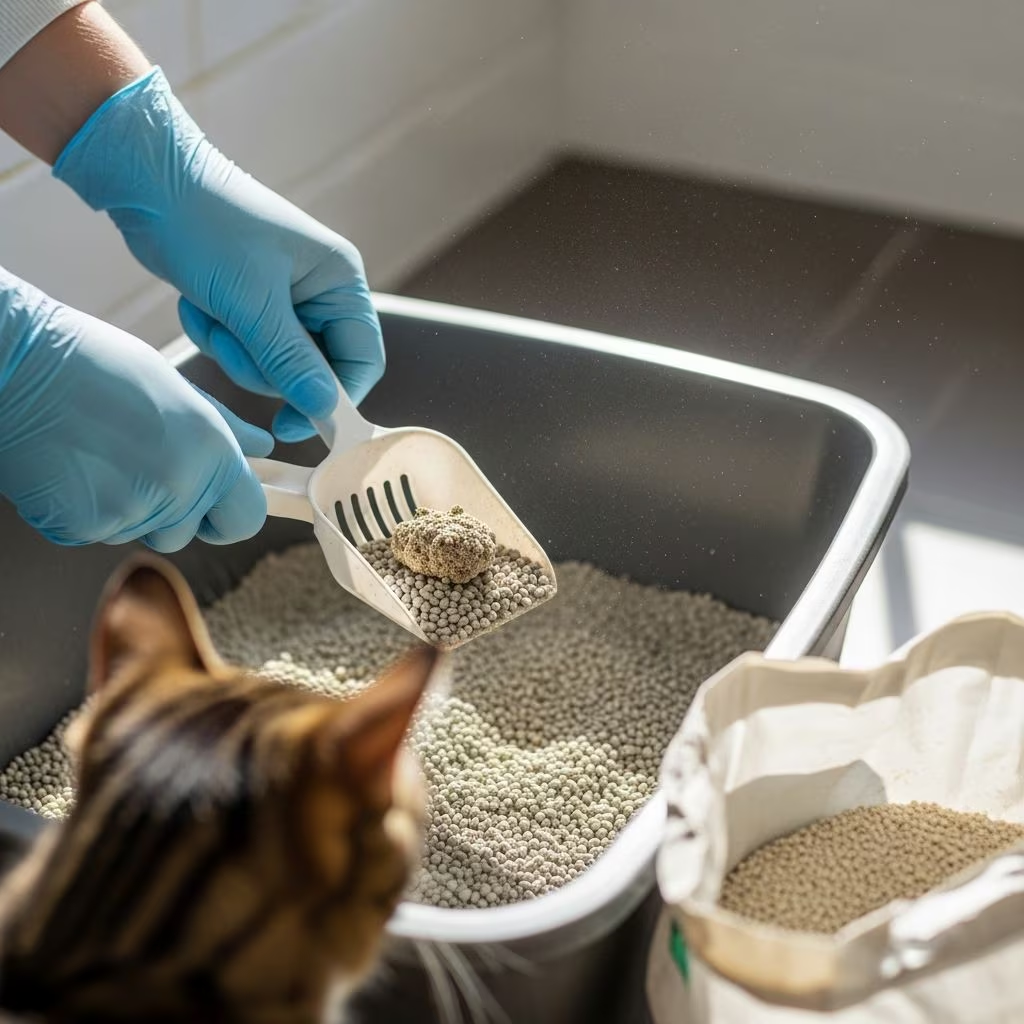
When performing litter box duties, wearing disposable gloves creates a physical barrier between hands and contaminated material, significantly reducing accidental fecal-oral transmission routes. Following glove removal, thorough hand washing with soap and water removes any microscopic organisms that may have contacted skin despite glove protection. This two-step approach—barrier protection followed by hand hygiene—represents the foundation of safe litter management.
Beyond daily scooping, comprehensive litter box hygiene involves complete sanitization at least weekly. This deeper cleaning removes residual contamination from box surfaces and eliminates pathogens that may persist despite daily fecal removal. Placing litter boxes away from food and water dishes prevents cross-contamination between areas designated for different household functions.
Environmental Contamination Beyond the Litter Box
While litter boxes concentrate infectious agents, environmental contamination extends beyond indoor facilities. Cats with outdoor access can shed parasites and bacteria directly into soil, gardens, and sandboxes, creating exposure pathways for household members who engage in gardening or children who play in contaminated areas. Wearing gloves during gardening and washing hands thoroughly afterward reduces infection risk from soil contact. Similarly, covering children’s sandboxes when not in use prevents roaming cats from using them as outdoor litter facilities.
Water contamination presents another transmission route, particularly in areas with inadequate water treatment or during international travel. While toxoplasmosis transmission through municipal water in developed countries remains uncommon, untreated water sources in less developed regions may harbor parasites. Pregnant women and immunocompromised individuals traveling internationally should avoid untreated water and consume only pasteurized dairy products to minimize risk from multiple sources.
Dietary Considerations and Food Safety
Interestingly, cat litter represents only one transmission pathway for organisms like toxoplasmosis. Undercooked meat from infected animals—including beef, lamb, pork, venison, and poultry—can harbor parasites that cause human infection. Consuming thoroughly cooked meat eliminates this risk, making food preparation practices equally important as litter management in comprehensive toxoplasmosis prevention. Shellfish and unpasteurized goat milk also warrant attention as potential infection sources, particularly for pregnant women and immunocompromised individuals.
Selecting and Adopting Cats Strategically
For pregnant women and immunocompromised individuals seeking to add feline companions to their households, strategic cat selection reduces disease transmission risk. Adopting mature, healthy adult cats rather than young kittens decreases the likelihood of acquiring an animal actively shedding parasites. Antibody testing for toxoplasmosis in prospective cats can provide additional information about prior exposure and current shedding status—cats testing positive for antibodies are considered unlikely to shed infectious oocysts. These recommendations enable vulnerable individuals to enjoy cat ownership while implementing science-based risk reduction.
Understanding Feline Coronavirus and Litter-Related Transmission
Beyond zoonotic diseases, feline coronavirus (FCoV) spreads between cats through feces, saliva, and shared items including food bowls and litter boxes. While FCoV itself does not transmit to humans, minimizing a cat’s exposure to environments where the virus circulates—such as shelters, boarding facilities, and catteries—reduces infection risk and subsequent risk of developing feline infectious peritonitis (FIP). This consideration, while not directly involving human health, demonstrates how litter box hygiene practices benefit overall household cat health alongside human protection.
Comprehensive Household Hygiene Framework
Effective disease prevention integrates litter box management into broader household hygiene practices. Food dishes should be cleaned after every meal and deep sanitized weekly using hot, soapy water. Water dishes warrant daily cleaning with hot, soapy water and weekly deep disinfection. Cat bedding should be regularly washed, with frequency adjusted based on individual cat habits and any underlying medical conditions. These measures collectively reduce pathogen persistence in the home environment and lower transmission risk across multiple disease routes.
FAQ: Common Questions About Litter-Associated Diseases
Can I catch diseases just by petting my cat?
Direct contact with cats poses minimal disease transmission risk for most diseases discussed. Toxoplasmosis, the most significant litter-associated concern, transmits through feces contact, not petting. Bartonella henselae (cat scratch disease) transmits through scratches, bites, or licking of open wounds—not through general handling. Practicing standard hand hygiene after petting remains prudent but should not cause concern about casual feline interaction.
How long can toxoplasmosis parasites survive in litter?
Oocysts require one to five days to mature and become infectious after being shed in feces. However, once mature, they can persist in the environment for months, continuing to contaminate soil, water, gardens, and any location where infected cats have defecated. Daily litter removal prevents oocysts from reaching maturity, interrupting the transmission chain before infectious stages develop.
Do all cats carry toxoplasmosis?
Not all cats carry toxoplasmosis. Infection depends on exposure to contaminated prey or food. Cats eating exclusively commercial pet food show lower infection rates than cats with hunting access or those fed raw meat. Additionally, cats testing positive for toxoplasmosis antibodies have typically already shed infectious oocysts and are unlikely to shed them again, reducing their transmission risk despite prior infection.
What should pregnant women specifically do?
Pregnant women without known prior toxoplasmosis exposure should avoid all litter box contact, delegating this responsibility to another household member. For women with confirmed prior infection (through antibody testing), risk remains substantially lower, though caution remains appropriate. All pregnant women should ensure meat is thoroughly cooked and vegetables are washed before consumption.
Can regular cleaning prevent disease transmission completely?
While regular cleaning substantially reduces disease transmission risk, it does not eliminate all risk entirely. However, the combination of daily fecal removal, proper hand hygiene, glove use, weekly deep cleaning, and awareness of other transmission routes (contaminated food, water, soil) provides comprehensive protection that makes disease transmission unlikely for immunocompetent individuals practicing these measures consistently.
References
- 5 Diseases You Can Catch from Your Cat — Just Cats Clinic. https://justcatsclinic.com/5-diseases-you-can-catch-from-your-cat/
- Toxoplasmosis in Cats — PetMD. https://www.petmd.com/cat/conditions/infectious-parasitic/c_ct_toxoplasmosis
- Toxoplasmosis: Causes and How It Spreads — CDC (Centers for Disease Control and Prevention). https://www.cdc.gov/toxoplasmosis/causes/index.html
- Zoonotic Disease: What Can I Catch from My Cat? — Cornell Feline Health Center, College of Veterinary Medicine, Cornell University. https://www.vet.cornell.edu/departments-centers-and-institutes/cornell-feline-health-center/health-information/feline-health-topics/zoonotic-disease-what-can-i-catch-my-cat
- Feline Infectious Peritonitis: What Every Cat Owner Needs to Know — American Animal Hospital Association (AAHA). https://www.aaha.org/resources/feline-infectious-peritonitis-what-every-cat-owner-needs-to-know/
- Toxoplasma gondii — Companion Animal Parasite Council (CAPC). https://capcvet.org/guidelines/toxoplasma-gondii/
- Toxoplasmosis — Symptoms and causes — Mayo Clinic. https://www.mayoclinic.org/diseases-conditions/toxoplasmosis/symptoms-causes/syc-20356249



