
Cat Litter Box Problems: Causes and Fixes
Discover why cats avoid the litter box and proven strategies to restore proper habits in your home.
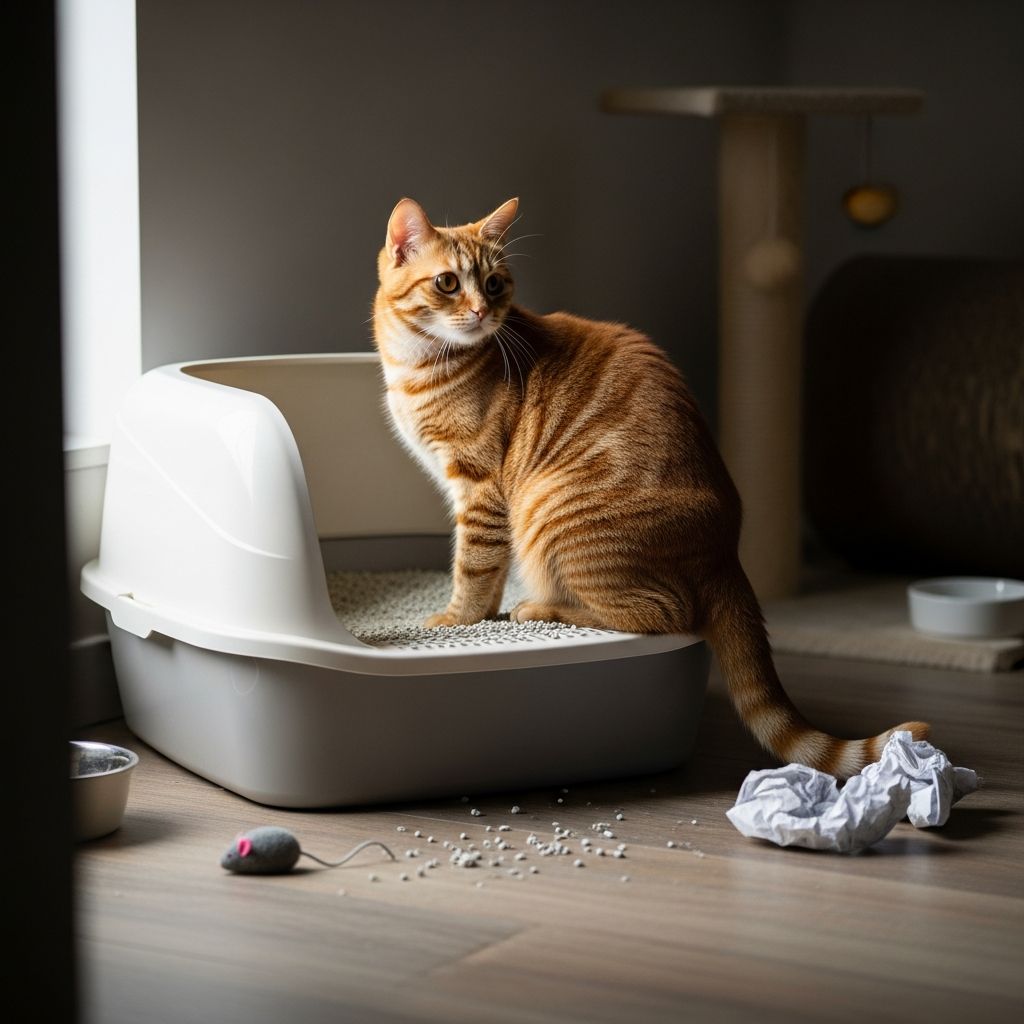
One of the most common frustrations for cat owners is discovering urine or feces outside the designated litter box. This behavior, known as inappropriate elimination, affects countless households and often leads to misunderstandings about a cat’s intentions. Far from being spiteful, cats engage in this due to underlying medical issues, environmental stressors, or unmet preferences for their toileting setup. Addressing it requires a systematic approach starting with veterinary evaluation and progressing to tailored environmental adjustments.
Understanding the Scope of the Issue
Inappropriate elimination ranks as a leading reason cats are relinquished to shelters, highlighting its impact on the human-feline bond. It manifests as complete avoidance of the litter box or partial use, where cats might urinate inside but defecate elsewhere, or vice versa. Recognizing patterns—such as specific locations or substrates preferred—provides clues to the root cause. For instance, urine spraying on vertical surfaces typically signals marking behavior linked to stress, while puddles on horizontal spots often indicate toileting aversion.
Statistics from veterinary behavior studies underscore the prevalence: up to 10% of cats exhibit this issue at some point, with multi-cat homes at higher risk due to territorial tensions. Early intervention is crucial, as habits solidify over time, complicating resolution.
Medical Factors Behind Litter Box Avoidance
Before assuming behavioral roots, rule out health problems. Conditions increasing urination or defecation frequency overwhelm standard litter box capacity, prompting cats to seek alternatives. Key culprits include:
- Urinary tract disorders: Cystitis, infections, stones, or blockages cause pain, urgency, and frequent small voids, making box association negative.
- Gastrointestinal issues: Colitis, constipation, or anal gland problems lead to defecation outside due to discomfort.
- Systemic diseases: Diabetes, kidney disease, hyperthyroidism, or arthritis in seniors hinder mobility or increase output volume.
- Neurological or post-surgical pain: Impairments affecting control or causing discomfort during elimination.
A thorough vet exam—encompassing physical checks, urinalysis, fecal tests, and bloodwork—identifies these. Even resolved conditions can leave lingering aversions, necessitating behavioral follow-up.
| Condition | Symptoms | Diagnostic Tests |
|---|---|---|
| Urinary Tract Infection | Frequent small urinations, straining | Urinalysis, culture |
| Diabetes | Increased thirst/urination | Blood glucose, urine specific gravity |
| Arthritis | Reluctance to enter box, stiffness | Physical exam, radiographs |
| Constipation | Straining, hard stools | Fecal exam, imaging |
Behavioral Triggers and Their Impact
Once medical causes are excluded, focus shifts to behavior. Cats are creatures of habit, preferring consistent, clean, accessible toileting spots. Disruptions provoke avoidance. Primary behavioral categories include:
- Stress and anxiety: Changes like new pets, moves, visitors, or even glimpsing outdoor cats via windows elevate cortisol, triggering elimination issues.
- Litter box aversions: Dirty boxes, strong scents, or painful past associations deter use.
- Location preferences: Cats select spots mimicking natural substrates (soft rugs, cool floors) over provided boxes.
- Marking vs. toileting: Spraying communicates territory; puddles fulfill voiding needs.
In multi-cat setups, competition for boxes fosters tension, especially if numbers fall short of the ‘n+1’ rule (one box per cat plus one extra).
Step-by-Step Diagnosis at Home
Track incidents meticulously: note locations, timing, substrate, and posture (squatting for toileting, standing for marking). Use fluorescent stains or colored markers to identify the offender in multi-cat homes. Map your home, plotting food, water, boxes, and soiled areas. Proximity reveals preferences: close misses suggest box dislike; distant ones imply access barriers.
- Video incidents if possible.
- Separate cats temporarily to isolate the culprit.
- Consult your vet promptly for medical clearance.
Optimizing the Litter Box Environment
The ideal setup matches feline instincts: private, spacious, clean, and appealing. Experiment via a ‘litter cafeteria’—cluster varied boxes for preference testing.
- Number and placement: n+1 boxes, distributed across floors, away from food/noise, with safe access routes.
- Size: 1.5 times cat’s length; low-entry for seniors/arthritic cats (e.g., storage bins).
- Type: Test open vs. hooded; most prefer open.
- Litter: Unscented clumping clay baseline; vary depth (1-3 inches), texture (fine preferred).
- Cleaning: Scoop daily, full change weekly; use enzymatic cleaners for accidents.
For location addicts, plant a box at the favored spot, gradually relocating it.
Managing Stress-Related Elimination
Reduce triggers: enrich environment with vertical spaces, hiding spots, and play. Pheromone diffusers like Feliway mimic calming signals, easing anxiety. In severe cases, vets may prescribe anxiolytics. Multi-cat harmony demands resource zoning to prevent bullying.
Cleaning and Deterring Repeats
Residual odors lure repeats. Enzymatic products (e.g., those neutralizing via oxidation) outperform masks. Deter with upside-down carpet runners, foil, or motion-activated air puffs on soiled areas. Never punish— it amplifies stress.
Advanced Interventions and When to Seek Pros
If basics fail, consult a veterinary behaviorist. They craft plans blending meds, training, and habitat mods. Success rates soar with compliance; persistence pays off.
Preventive Measures for Long-Term Success
Proactive steps avert issues:
- Introduce boxes early to kittens.
- Maintain routines amid changes.
- Monitor health annually.
- Expand resources with household growth.
Frequently Asked Questions (FAQs)
Why does my cat pee on the bed but use the box for poop?
This split often signals urinary issues or bed substrate preference. Vet check first.
How many litter boxes do I need for two cats?
Three: one per cat plus one, in separate locations.
Can diet affect litter box use?
Yes, foods causing loose stools or increased urine prompt avoidance.
Is punishing my cat effective?
No; it heightens fear, worsening behavior.
What if my senior cat suddenly stops using the box?
Check for arthritis, thyroid issues, or cognitive decline.
References
- Inappropriate Elimination Disorders in Cats — VCA Animal Hospitals. 2023. https://vcahospitals.com/know-your-pet/inappropriate-elimination-disorders-in-cats
- Inappropriate Elimination: Why Isn’t My Cat Using the Litter Box? — The Drake Center. 2024. https://www.thedrakecenter.com/services/cats/blog/inappropriate-elimination-why-isnt-my-cat-using-litter-box
- Feline Inappropriate Urination — Today’s Veterinary Practice. 2023. https://todaysveterinarypractice.com/behavior/practical-techniques-from-the-navc-institutefeline-inappropriate-urination/
- Urinating Outside the Litter Box: What to do when it’s behavioral — Just Cats Clinic. 2024. https://justcatsclinic.com/urinating-outside-the-litter-box-what-to-do-when-its-behavioral/
- Feline Behavior Problems: House Soiling — Cornell University College of Veterinary Medicine. 2023. https://www.vet.cornell.edu/departments-centers-and-institutes/cornell-feline-health-center/health-information/feline-health-topics/feline-behavior-problems-house-soiling
Similar Articles








Read full bio of Sneha Tete




