

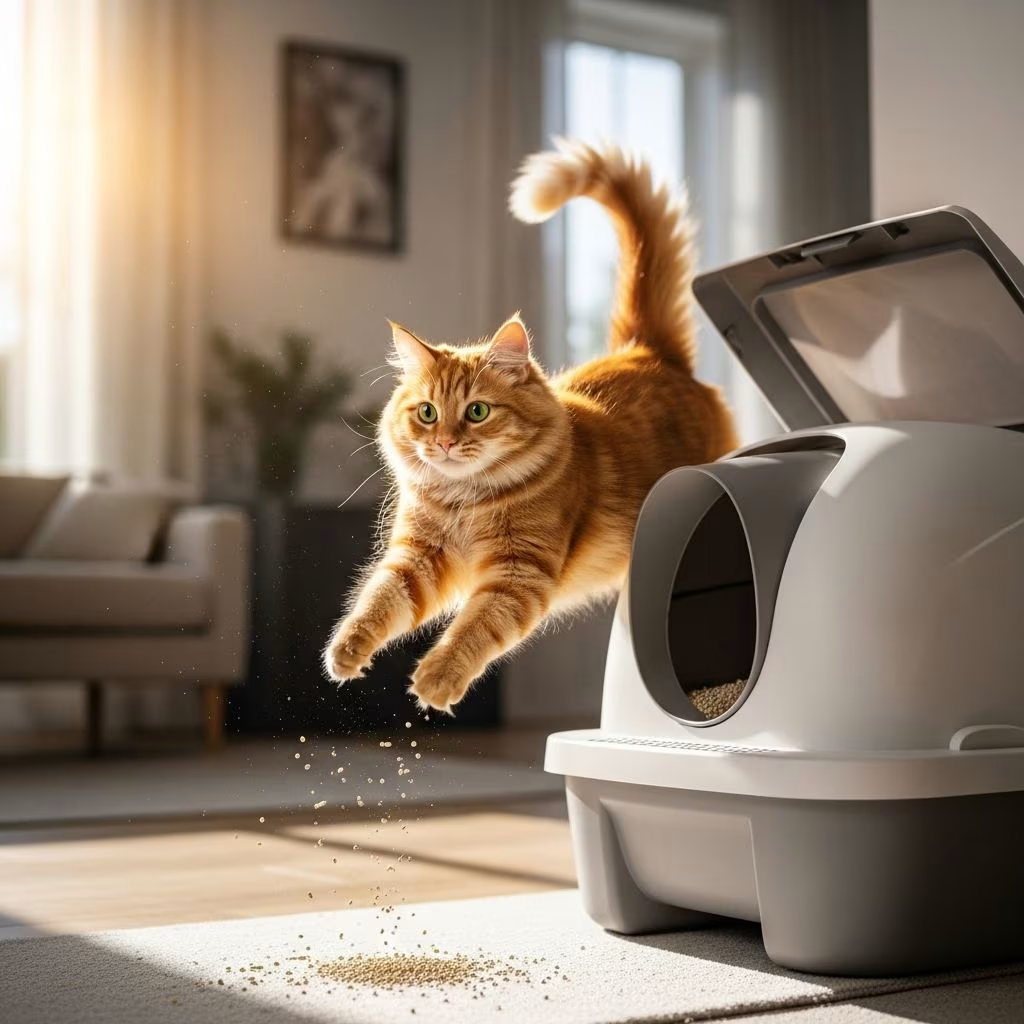
Cats often engage in playful activities inside their litter boxes, digging, kicking, or scattering litter as if it were a toy. This behavior stems from instinctual digging urges, environmental factors, or underlying issues like stress or medical conditions, and addressing it promptly prevents escalation into full litter box avoidance.
Instinctual Roots of Litter Box Shenanigans
Felines naturally dig to bury waste, mimicking wild ancestors who concealed scents from predators. When this instinct amplifies into play, cats paw at litter excessively, flinging it out or rolling in it. This is especially common in kittens learning boundaries or young adults with high energy.
Breed tendencies play a role; active breeds like Bengals or Abyssinians may treat litter as a game more frequently. Observe if play occurs post-meal or during active hours, indicating energy release rather than elimination needs.
Environmental Triggers Sparking Play
Litter box setup profoundly influences behavior. Boxes in high-traffic zones invite playful ambushes, while insufficient litter depth—less than 2 inches—frustrates natural digging, turning it into scatter play.
- Cleanliness lapses: Unscooped boxes with clumps deter proper use, prompting pawing as displacement activity.
- Box design flaws: Hooded or small boxes restrict movement, leading to frantic digging games.
- Litter type mismatches: Coarse or scented varieties irritate paws, eliciting batting and tossing.
In multi-cat homes, competition for boxes can manifest as one cat ‘claiming’ the space through vigorous play, blocking others.
Stress and Anxiety Manifesting as Play
Household upheavals like moves, new pets, or routine shifts heighten feline anxiety, channeling into hyper-focused litter interactions. Cats under stress may dig obsessively to self-soothe, associating the box with comfort.
External stimuli, such as neighborhood cats visible through windows, provoke territorial responses. Covering sightlines reduces this trigger. Pheromone diffusers mimicking maternal scents calm nerves, curbing playful excesses.
Health Concerns Linked to Excessive Digging
Persistent litter play signals potential illness. Urinary tract infections cause frequent box visits with pained digging; kidney issues or diabetes increase urgency, blending elimination with pawing.
| Symptom | Possible Condition | Action |
|---|---|---|
| Straining or crying during digging | UTI or crystals | Vet visit immediately |
| Frequent short visits with play | Diabetes/kidney disease | Urine test |
| Sudden onset in seniors | Arthritis/mobility loss | Low-sided box trial |
Rule out medical causes first via veterinary exam, including bloodwork and urinalysis.
Step-by-Step Fixes for Litter Play
Begin with basics: Provide one box per cat plus one extra, placed in quiet, accessible spots with escape routes. Scoop daily, fully change litter weekly.
- Upgrade equipment: Switch to larger, open boxes (1.5x cat length) filled with 2-3 inches of unscented clumping litter.
- Test preferences: Offer multiple litter types side-by-side; transition slowly over a week.
- Enrich environment: Add scratching posts, puzzle feeders, and play sessions to expend energy elsewhere.
- Discourage mess: Place mats under boxes; use box liners if tolerated.
For stubborn cases, temporarily block soiled areas with foil or sticky tape while placing food bowls nearby to deter repeats.
Multi-Cat Dynamics and Play Prevention
In shared homes, dominant cats may play aggressively to assert control. Ensure even box distribution across floors; monitor interactions with camera.
Neutering reduces territorial marking disguised as play. Interactive toys foster positive bonding, diffusing tensions.
Age-Specific Approaches to Curb Play
Kittens play to explore; provide shallow boxes and supervised sessions. Seniors with arthritis benefit from ramps and softer litter.
Transitioning strays or rescues requires patience—start with familiar dirt-like litter to build confidence.
Long-Term Maintenance for Box Harmony
Consistency is key: Maintain routines, avoid sudden changes. Track behavior in a journal noting play frequency, triggers, and fixes tried.
Annual vet checkups catch issues early. Synthetic pheromones offer ongoing support.
Frequently Asked Questions
Why does my cat suddenly play in the litter box?
Sudden changes often indicate stress or health shifts; vet check first.
Is playing in litter normal?
Mild digging is; excessive scattering signals problems needing intervention.
How many litter boxes for two cats?
Three: one per cat plus one spare.
Can diet affect litter play?
Yes, poor digestion leads to straining play; high-quality food helps.
What if fixes don’t work?
Consult a veterinary behaviorist for tailored plans.
References
- Litter Box Problems — ASPCA. 2023. https://www.aspca.org/pet-care/cat-care/common-cat-behavior-issues/litter-box-problems
- Solving Litterbox Issues — Wisconsin Humane Society. 2024. https://www.wihumane.org/behavior/ask-the-experts/cat-behavior/solving-litterbox-problems
- Cat Not Using Litter Box: Causes and Solutions — Best Friends Animal Society. 2024. https://bestfriends.org/pet-care-resources/cat-not-using-litter-box-causes-and-solutions
- Cat Not Using the Litter Box? Causes & Solutions — Purina. 2024. https://www.purina.com/articles/cat/behavior/litter/why-cat-not-using-litter-box
- Feline Behavior Problems: House Soiling — Cornell University College of Veterinary Medicine. 2023. https://www.vet.cornell.edu/departments-centers-and-institutes/cornell-feline-health-center/health-information/feline-health-topics/feline-behavior-problems-house-soiling
- Preventing and solving litter box problems — Animal Humane Society. 2024. https://www.animalhumanesociety.org/resource/preventing-and-solving-litter-box-problems



