

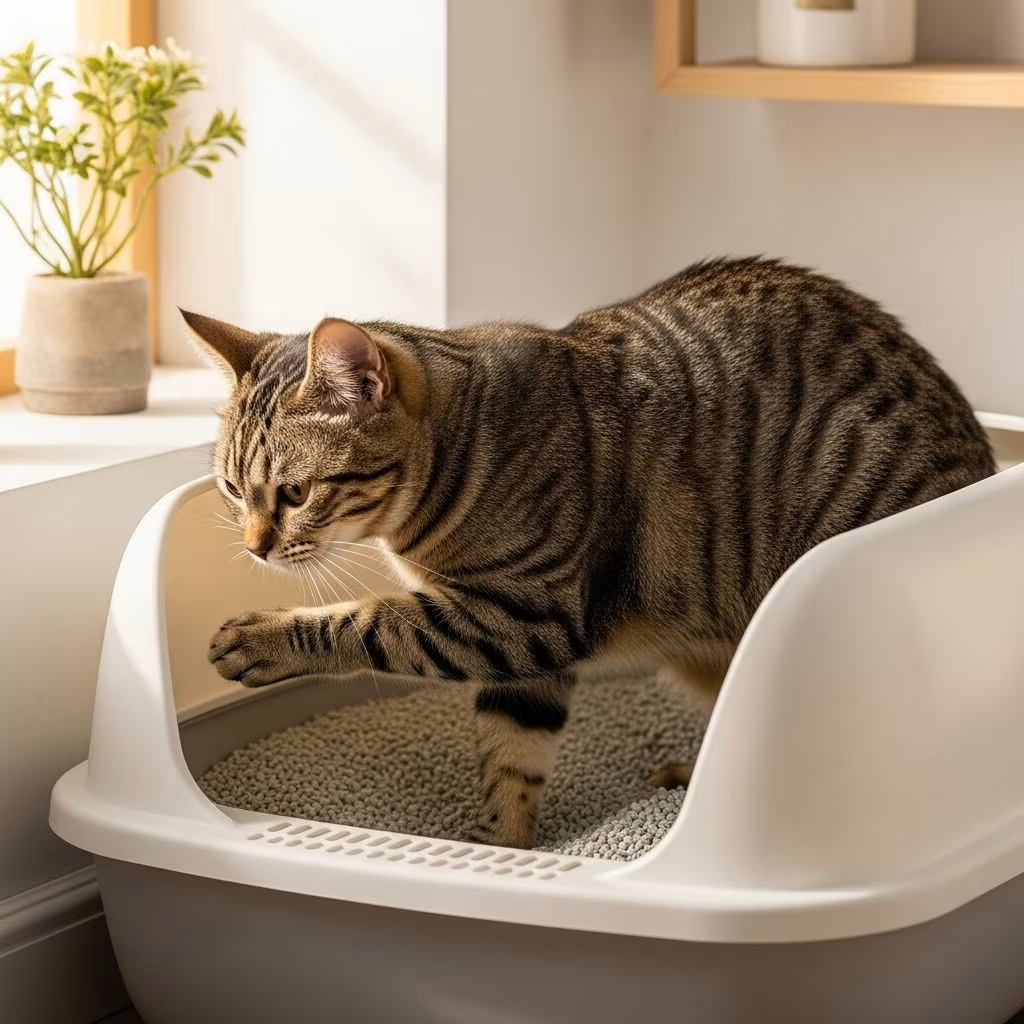
Ensuring your cat consistently uses the litter box is fundamental to harmonious living with your feline companion. Proper setup, maintenance, and understanding of cat preferences can prevent most issues before they arise, promoting both pet health and household cleanliness.
Selecting the Perfect Litter Box
Choosing the right litter box sets the foundation for successful elimination habits. Dimensions matter greatly; the box should measure at least one and a half times your cat’s body length to allow comfortable turning and positioning.
- Open designs are favored by most cats for their spacious feel and lack of confinement, unlike covered boxes that can trap odors and create unease.
- High-sided options suit vigorous diggers, containing scatter while still permitting easy entry.
- For seniors or kittens, low-entry boxes with edges no higher than 3-4 inches facilitate access without strain.
- Alternatives like plastic storage bins or cement pans provide ample space and durability for larger cats.
Avoid self-cleaning models initially, as their noises and movements can startle sensitive cats, leading to avoidance.
Ideal Litter Types and Depths
Litter selection influences whether your cat views the box as inviting or repulsive. Unscented, clumping varieties often appeal to felines prone to urinary sensitivities.
| Litter Type | Pros | Cons | Best For |
|---|---|---|---|
| Clumping Clay | Superior odor control, easy scooping | Dusty, heavier tracking | Adults with urinary history |
| Non-Clumping Clay | Affordable, low dust | Requires full changes, poorer clumping | Kittens transitioning |
| Crystal/Silica | Excellent moisture absorption | Hard texture disliked by some | Low-maintenance owners |
| Recycled Paper | Soft, lightweight, hypoallergenic | Less odor control | Sensitive paws or allergies |
Maintain 2-3 inches of litter depth to enable digging without excessive spillage; adjust based on your cat’s observed preferences.
Strategic Placement for Success
Location profoundly impacts usage. Position boxes in serene, low-traffic zones away from appliances like washers or dryers that emit startling noises.
- Maintain separation between food, water, and litter areas, mimicking wild cats’ instinct to isolate elimination sites from dining spots.
- In multi-cat homes, distribute boxes across territories to minimize competition—one per cat plus one extra is the gold standard.
- Ensure quiet accessibility with escape routes, preventing ambushes from other pets.
- For newcomers, place near hiding spots initially, then gradually relocate as they acclimate.
Daily and Weekly Cleaning Routines
Cleanliness ranks as the top reason cats abandon boxes due to their acute sense of smell. Scoop waste once or twice daily to keep it inviting.
- Scoop clumps and solids promptly.
- Weekly, empty entirely, scrub with hot water and unscented soap, then dry thoroughly before refilling.
- Steer clear of harsh chemicals or scents that could repel your cat.
For accidents outside the box, enzymatic cleaners neutralize odors completely, deterring repeat offenses.
Decoding Common Litter Box Behaviors
Your cat’s actions provide clues to dissatisfaction. Observing patterns helps tailor improvements swiftly.
- Perching on edges (Gargoyling): Indicates insufficient space, wrong litter depth, or excessive waste buildup.
- Hesitation inside (Waffling): Suggests unappealing litter texture, odor, or discomfort.
- Scratching surroundings (Box Banging): Signals issues with hoods, size, or cleanliness prompting alternative digging.
- Excessive kicking: Natural but excessive scatter may call for higher sides or reduced litter volume.
- Quick in-and-out (Port-a-Potty): Points to dirty conditions, noisy locations, or stress factors.
- One cat cleaning for others (Janitor): In multi-cat setups, may require additional boxes or more frequent scooping.
Multi-Cat Household Strategies
Harmony in shared spaces demands proactive planning. The n+1 rule—where n is the number of cats—ensures equitable access and reduces territorial disputes.
- Situate boxes in separate, quiet areas to avoid dominance pressures.
- Scoop each daily and monitor for one cat overusing another’s box, a sign of imbalance.
- Introduce new cats gradually, providing immediate extra boxes to ease integration.
Addressing Kittens, Seniors, and Special Needs
Tailor setups to life stages. Kittens need shallow boxes with fine litter for easy entry and instinctual digging.
- Seniors benefit from low sides, multiple nearby locations, and softer litters to accommodate arthritis or mobility limits.
- Monitor for age-related increases in frequency due to kidney issues, prompting vet checks.
Troubleshooting Avoidance and Accidents
Sudden changes warrant veterinary evaluation first to exclude medical culprits like UTIs, crystals, or kidney disease, which cause pain and altered patterns.
Post-medical clearance, behavioral fixes include:
- Thoroughly cleaning soiled spots with enzymes to erase scents.
- Experimenting with litter types gradually to pinpoint preferences.
- Mitigating stress via pheromone diffusers, play enrichment, and stable routines.
- Placing food bowls over accident sites to recondition associations.
Frequently Asked Questions
Why is my cat suddenly avoiding the litter box?
This often stems from medical issues like urinary infections or behavioral triggers such as uncleanliness or stress; consult a vet immediately.
How often should I clean the litter box?
Scoop daily, perform full changes and deep cleans weekly to match cats’ high hygiene standards.
What if my cat prefers going outside the box?
Rule out health problems, optimize box setup, and use enzymatic cleaners on messes while adding more accessible boxes.
Are covered litter boxes better?
Most cats prefer open boxes for comfort, though covered ones may suit owners seeking odor containment if cleaned rigorously.
How many boxes for two cats?
Three total: one per cat plus one extra, placed in different low-stress locations.
Proactive Prevention Tips
Anticipate needs to sidestep problems. Regularly rotate litter brands subtly, monitor for subtle behavior shifts, and maintain consistent routines. Enrichment like scratching posts and perches reduces overall anxiety, indirectly supporting litter success.
References
- What Do Your Cat’s Litter Box Behaviors Mean? — Purina. Accessed 2026. https://www.purina.com/tidy-cats/cat-litter-box-behavior
- Preventing Litter Box Problems — PAWS. Accessed 2026. https://www.paws.org/resources/preventing-litter-box-problems/
- 5 Litter Box Tips – For Litter Box Problems — Arm & Hammer. Accessed 2026. https://www.armandhammer.com/en/articles/tips-getting-cat-use-litter-box
- New to Cats? Litter Box Basics for Beginners — Fear Free Happy Homes. Accessed 2026. https://www.fearfreehappyhomes.com/new-to-cats-litter-box-basics-for-beginners/
- Litter Box Issues in Cats: Medical vs. Behavioral Causes — Partners Veterinary Clinic. Accessed 2026. https://partnersvetavl.com/litter-box-issues-in-cats-medical-vs-behavioral-causes/
- General Litter Box Considerations — AAHA. 2021. https://www.aaha.org/resources/2021-aaha-aafp-feline-life-stage-guidelines/general-litter-box-considerations/



