
Cat Litter Box Essentials
Discover the ideal number of litter boxes, optimal sizes, best placements, and maintenance tips to keep your cat happy and your home clean.
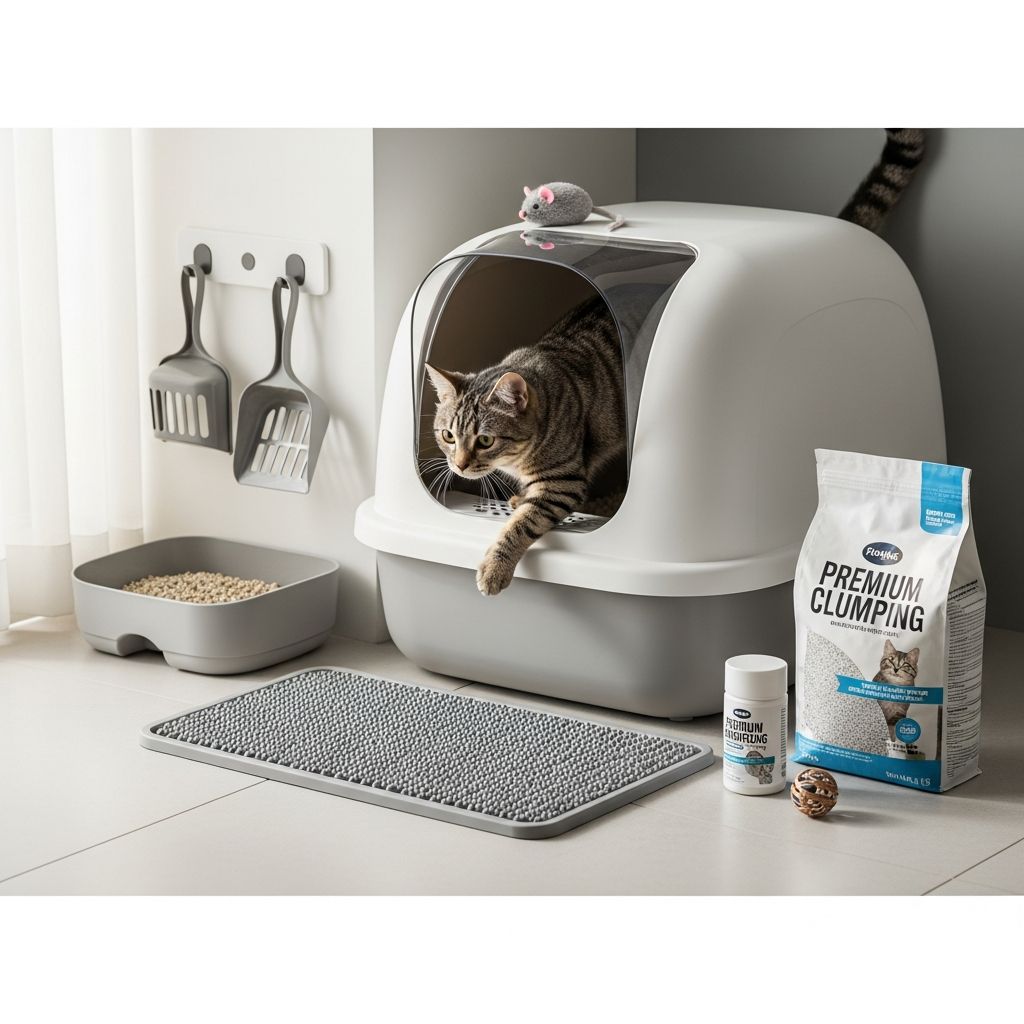
Providing the right number and setup of litter boxes is fundamental to a cat’s well-being and household harmony. The standard recommendation is one litter box per cat plus an extra one, ensuring ample options for elimination without competition or stress.
Determining the Right Number of Litter Boxes
For a single cat, two litter boxes are ideal, allowing choice and reducing the risk of avoidance due to temporary uncleanliness. In multi-cat homes, this “n+1” formula—where n is the number of cats—prevents territorial disputes and accommodates varying preferences. Multi-level homes require boxes on each floor to avoid long treks, which cats dislike.
- 1 cat: Minimum 2 boxes
- 2 cats: Minimum 3 boxes
- 3 cats: Minimum 4 boxes
- Adjust for social groups if cats form distinct cliques, treating each as a separate unit plus one extra.
This setup minimizes issues like spraying or outdoor elimination, as cats need dedicated spaces for territory marking.
Selecting the Perfect Litter Box Size and Design
Cats require spacious boxes to comfortably turn, dig, and position themselves. Standard commercial boxes often fall short; aim for 1.5 times the cat’s body length from nose to tail tip. For large breeds, repurpose plastic storage bins or cement-mixing tubs for extra room.
| Cat Type | Recommended Size | Box Examples |
|---|---|---|
| Kitten/Senior | Low sides (3-4 inches) | Shallow open pans |
| Average Adult | 1.5x body length, medium sides | Large open trays |
| Large Breed | Extra long/wide, high sides optional | Storage bins, dog boxes |
Open boxes with moderate sides suit most cats, offering easy access and less odor trapping compared to covered ones, which some felines avoid if not impeccably clean. High sides help contain scatterers, but ensure entry is feasible.
Strategic Placement for Cat Comfort
Location impacts usage profoundly. Position boxes in quiet, low-traffic zones away from noisy appliances like washers or dryers, providing privacy and escape routes. Avoid cramped spots under sinks or behind furniture, as cats need space to approach comfortably.
- Separate boxes by several feet to prevent sharing conflicts.
- Multi-story: One per level.
- Proximity to food/water: Keep distant to mimic natural separation of elimination and eating areas.
- Safety: Near walls but with visibility and quick exit paths.
In shared homes, distribute evenly to match each cat’s territory.
Choosing and Maintaining the Ideal Litter
Fill boxes with 2-4 inches of litter, enough for burying waste—clumping types need 3-4 inches, non-clumping 2-3. Stick to one type once accepted; transitions require side-by-side introduction. Common preferences lean toward fine, unscented clumping clay, but test varieties.
Cleaning Routines
Daily scooping is non-negotiable—cats shun soiled boxes. Weekly full dumps and monthly washes with mild soap and hot water prevent bacterial buildup; skip harsh chemicals. Use mats to trap tracking litter and deodorizers sparingly.
- Scoop clumps daily.
- Stir litter to distribute evenly.
- Top off as needed, full refresh weekly.
- Deep clean monthly.
Addressing Common Litter Box Challenges
Issues arise from insufficient boxes, poor location, or medical problems. If a cat avoids boxes, check for UTIs via vet visit first, then optimize setup. Offer multiple box types initially to gauge preferences. Self-cleaning models may frighten sensitive cats due to noise/motion.
- Spraying: More boxes reduce stress-induced marking.
- Tracking: High-sided boxes or mats help.
- Odor: Frequent cleaning trumps covers.
- Kittens: Shallow boxes near play areas.
Special Considerations for Multi-Cat Households
Territorial dynamics amplify needs. Monitor usage patterns—uneven scooping indicates favorites or rejects. Provide perches or vertical space alongside boxes to ease tensions. Social groups may need grouped boxes plus extras.
For 4+ cats, consider 5-6 boxes, spread out. Introduce new cats with extra boxes to minimize rivalry.
Litter Box Innovations and Alternatives
While traditional open boxes reign, enclosed options appeal for containment if oversized. Top-entry designs suit agile adults, reducing scatter. Eco-friendly litters like pine or corn offer alternatives, but prioritize cat acceptance.
Frequently Asked Questions (FAQs)
How many litter boxes for 2 cats?
At least 3—one per cat plus one extra—to prevent competition.
Can I use a covered litter box?
Yes, if large and cleaned meticulously; many cats prefer open for ventilation.
What if my cat stops using the litter box?
Rule out health issues, then add boxes, relocate, or switch litters gradually.
How often should I clean litter boxes?
Scoop daily, refresh weekly, deep clean monthly.
Best litter depth?
3-4 inches for clumping, 2-3 for non-clumping.
Quick Setup Checklist
- Count cats and add one box per.
- Measure for 1.5x size.
- Choose open, spacious designs.
- Place quietly, accessibly.
- Fill with preferred litter.
- Scoop daily, clean routinely.
Mastering these elements fosters a stress-free environment, curbing behavioral woes and enhancing cat-home bonds.
References
- Where & How to Set Up a Litter Box — Arm & Hammer. Accessed 2026. https://www.armandhammer.com/en/articles/how-to-setup-litter-box
- Litter Boxes — The Ohio State University Indoor Pet Initiative. Accessed 2026. https://indoorpet.osu.edu/cats/basic-indoor-cat-needs/litter-boxes
- New to Cats? Litter Box Basics for Beginners — Fear Free Happy Homes. Accessed 2026. https://www.fearfreehappyhomes.com/new-to-cats-litter-box-basics-for-beginners/
- Cat Litter Box Tips — Purina. Accessed 2026. https://www.purina.com/articles/cat/behavior/litter/cat-litter-box-tips
- Buying Guide: How to Choose the Best Cat Litter Box — Chewy. Accessed 2026. https://www.chewy.com/education/cat/pet-parenting/your-guide-to-the-best-cat-litter-box-for-your-feline-friend
- A Guide To Litter Box Etiquette — Texas A&M University Vet Med. Accessed 2026. https://vetmed.tamu.edu/news/pet-talk/litter-box-etiquette/
Similar Articles








Read full bio of Sneha Tete




