

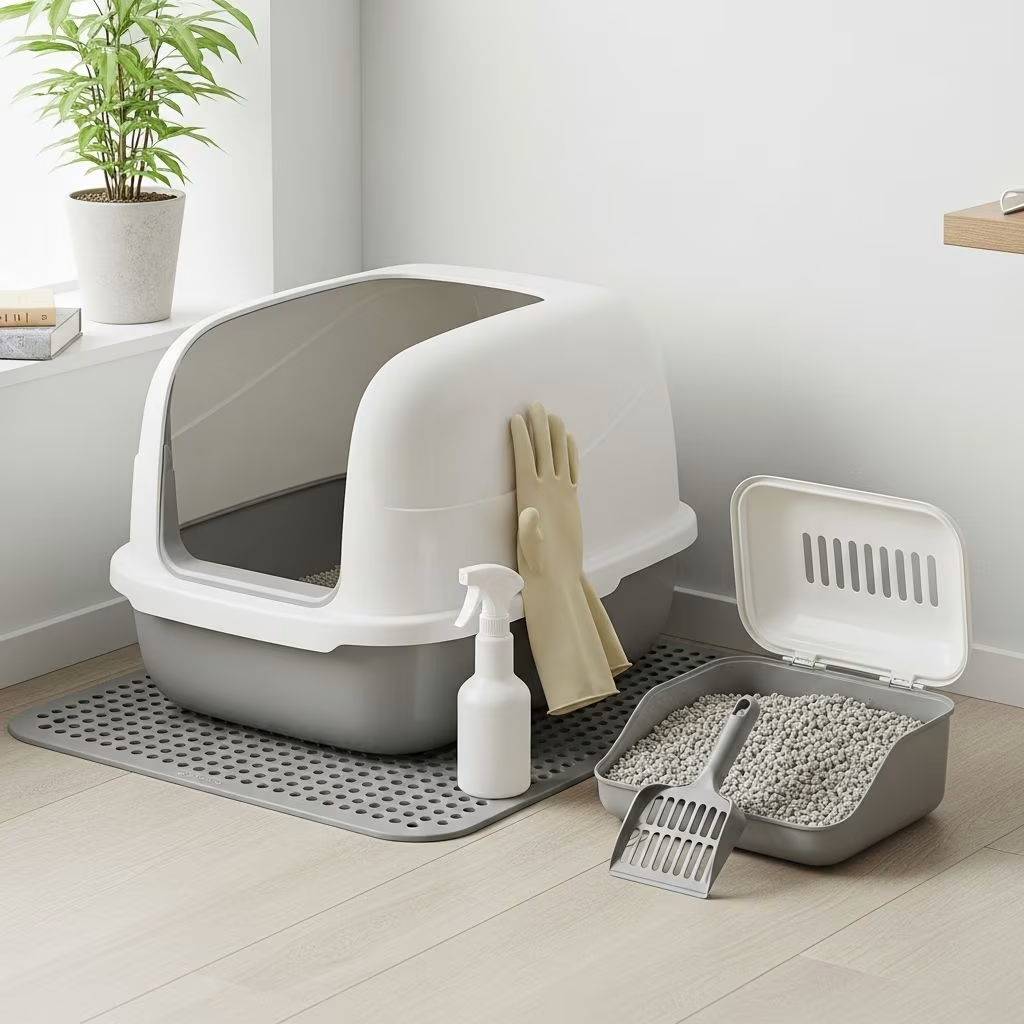
Proper litter box hygiene is essential for your cat’s well-being and household harmony. Cats are naturally clean animals and will avoid soiled boxes, potentially leading to accidents elsewhere. This guide details customized cleaning routines based on the number of cats, litter type, and box design to maintain freshness and prevent issues.
Why Regular Litter Box Maintenance Matters
Maintaining a clean litter box supports your cat’s urinary and digestive health while minimizing odors in your home. Unscooped waste produces ammonia, which irritates a cat’s sensitive respiratory system and eyes. Consistent cleaning also reduces bacterial growth that could cause infections. Observe your cat’s behavior: hesitation near the box signals it’s time for more frequent attention.
Daily Cleaning Essentials
Daily scooping forms the foundation of litter box care. Remove solid waste and clumped urine immediately to keep the environment inviting. For clumping litters, this task takes mere minutes and prevents waste saturation.
- Scoop at consistent times, such as morning and evening, to build a routine.
- Replace scooped litter volume with fresh material to maintain depth, ideally 2-3 inches.
- Wear gloves and use a dedicated scoop to avoid cross-contamination.
In multi-cat homes, increase checks to twice daily, as shared boxes fill faster.
Weekly and Full Litter Replacement Schedules
Beyond daily scoops, schedule complete litter changes to refresh absorbent properties. Frequency varies by factors like cat count and litter absorption capacity.
| Number of Cats | Scoop Frequency | Full Litter Change | Deep Clean |
|---|---|---|---|
| 1 Cat | 1-2 times daily | Every 2-4 weeks | Monthly |
| 2 Cats | Twice daily | Every 2-3 weeks | Every 3-4 weeks |
| 3 Cats | 2+ times daily | Every 2 weeks | Every 3 weeks |
| 4+ Cats | Multiple times daily | Weekly | Every 2 weeks |
This table provides averages; adjust based on usage. Non-clumping litters may require changes every few days due to saturation.
Deep Cleaning Procedures
Thorough washes eliminate residue that daily scooping misses. Empty all litter, then scrub with mild soap and hot water. Avoid harsh chemicals, as lingering scents deter cats.
- Dump old litter into a sealed bag for disposal.
- Scrub interior surfaces, focusing on corners.
- Rinse thoroughly and air dry completely before refilling.
- Sprinkle baking soda for odor neutralization if needed.
Perform deep cleans monthly for single cats, more often in busy households. Enzyme cleaners target urine proteins effectively.
Cleaning Different Litter Box Types
Open Traditional Boxes
These simple pans demand diligent daily scooping to combat odors. Weekly full dumps and washes prevent bacterial buildup in plastic grooves.
- Scoop solids and clumps once or twice daily.
- Replace litter fully every 1-2 weeks.
- Opt for stainless steel models to resist scratches and bacteria.
Covered or Hooded Boxes
Hoods offer privacy but trap smells, necessitating removable designs for access. Daily scooping and weekly lid removal for washing are key.
- Scoop daily to avoid ammonia concentration.
- Wash entire unit weekly, ensuring ventilation.
- Use odor-absorbing liners for extra control.
Self-Cleaning and Automatic Boxes
These units automate scooping but require waste drawer monitoring. Empty drawers every few days based on cat numbers, with deep cleans every 1-3 months.
- Check drawers daily; empty when full.
- Wipe sensors and rakes bi-weekly.
- Replace filters monthly for odor management.
Selecting the Right Litter for Easy Maintenance
Litter choice impacts cleaning effort. Clumping varieties simplify daily tasks by forming solid masses for easy removal, lasting 2-4 weeks between changes.
- Clumping Clay: Best for scooping; change every 2-4 weeks.
- Non-Clumping: Absorbs well but needs frequent full changes.
- Crystal/Silica: Highly absorbent; lasts weeks, quick to clean.
- Pellet/Pine: Eco-friendly, controls odors; monitor dust levels.
Test preferences, as some cats favor textures or scents.
Multi-Cat Household Strategies
The golden rule: one box per cat plus one extra. This reduces competition and eases cleaning load. Place boxes in quiet, accessible spots away from food.
For 4+ cats, scoop multiple times daily and change litter weekly to manage volume. Self-cleaning options shine here, with app notifications for fullness.
Signs Your Cleaning Routine Needs Adjustment
Watch for these red flags indicating insufficient maintenance:
- Persistent odors despite scooping.
- Cat scratching excessively around the box.
- Accidents outside the box or avoidance.
- Urine spraying on walls or furniture.
Increase frequency or consult a vet for underlying health issues, as conditions like UTIs mimic dirt aversion.
Pro Tips for Odor Control and Efficiency
- Use litter mats to trap tracking litter.
- Position boxes in well-ventilated areas.
- Employ carbon filters or deodorizers in hoods.
- Stock multiple scoops for multi-box setups.
- Schedule cleanings during low-traffic home times.
Invest in durable tools like stainless scoops to prolong usability.
Frequently Asked Questions
How often do cats typically use the litter box?
Most cats urinate 2-4 times daily and defecate every 24-36 hours, influencing scoop needs.
Can I use bleach to clean the litter box?
No; strong chemicals repel cats. Stick to unscented soap.
What if my cat refuses a newly cleaned box?
Ensure sufficient litter depth and avoid over-washing scents. Transition gradually.
Is it okay to reuse litter partially?
Yes, top off after scooping, but fully replace periodically.
How many litter boxes for two cats?
Three boxes minimum to prevent territorial issues.
Advanced Maintenance for Long-Term Hygiene
Beyond basics, inspect boxes quarterly for cracks allowing bacteria harbor. Rotate locations occasionally to distribute wear. For senior cats or kittens, soften routines with low-dust litters and shallower fills.
Incorporate health monitoring: changes in waste consistency may signal dietary or medical needs. Pair cleaning with overall home sanitation for a harmonious pet environment.
References
- How Often Should You Clean the Litter Box — Meowant. 2023. https://meowant.com/blogs/buying-guide/how-often-should-you-clean-the-litter-box
- How Often Should You Change Your Cat’s Litter? — Litter-Robot. 2024. https://www.litter-robot.com/blog/how-often-to-change-cat-litter/
- How Often Should You Clean the Litter Box? — Purina. 2023. https://www.purina.com/articles/cat/behavior/litter/how-often-to-clean-litter-box
- How Often to Change Cat Litter — Arm & Hammer. 2024. https://www.armandhammer.com/en/articles/how-often-change-cat-litter
- How To Clean a Litter Box Step by Step — PetMD. 2024-01-15. https://www.petmd.com/cat/general-health/how-to-clean-litter-box



