

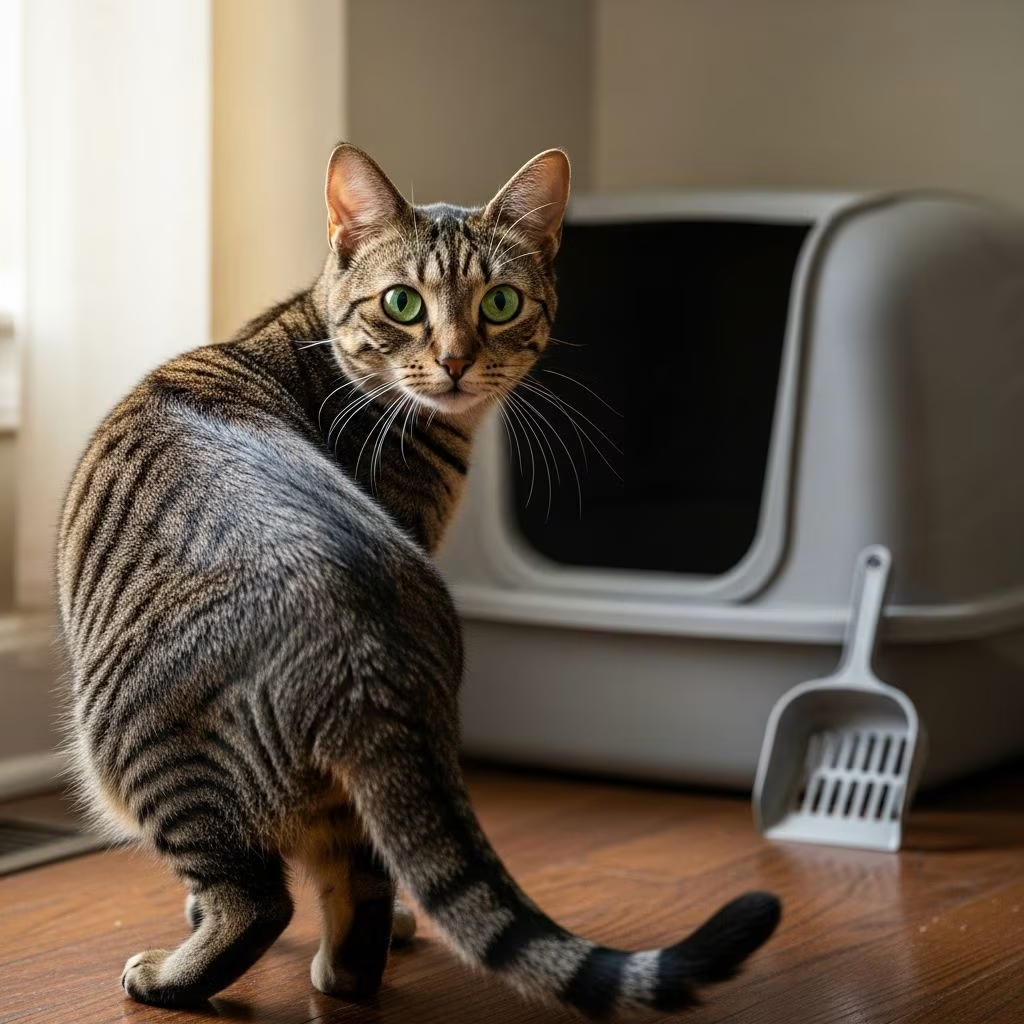
Discovering that your cat has stopped using the litter box can be one of the most frustrating challenges a pet owner faces. Whether you’re finding urine puddles in unexpected corners or feces outside the box, this behavior signals that something requires immediate attention. The key to resolving this issue lies in understanding that your cat isn’t misbehaving out of spite or revenge—rather, inappropriate elimination is almost always a communication of either physical discomfort or environmental distress.
The good news is that with proper investigation and intervention, you can identify the root cause and restore normal litter box habits. This comprehensive guide will walk you through the various reasons cats avoid their boxes and provide actionable solutions to address each situation.
Understanding the Root Causes: Medical vs. Behavioral Factors
When your cat stops using the litter box reliably, the first step is recognizing that two broad categories of causes exist: medical and behavioral. Understanding which category applies to your situation is essential for developing an effective solution. Many cat owners assume behavioral issues are at play, but ignoring potential medical problems can lead to prolonged suffering for your pet and escalating behavioral patterns.
Medical causes involve physical health conditions that make elimination uncomfortable, difficult, or more frequent. Behavioral causes relate to environmental factors, stress, or your cat’s preferences regarding the litter box itself. In some cases, both medical and behavioral elements may contribute to the problem.
Medical Conditions That Trigger Litter Box Avoidance
Before addressing behavioral solutions, it’s crucial to rule out underlying health issues. Cats experiencing physical discomfort or illness may develop an aversion to the litter box because they associate it with pain. This learned behavior can persist even after the medical condition resolves, making early intervention critical.
Urinary Tract Complications
One of the most common medical causes of inappropriate elimination is urinary tract infection (UTI). When cats suffer from UTIs, they experience frequent and painful urination. Rather than avoiding the box entirely, infected cats often make frequent trips but produce only small amounts of urine. Your cat may also vocalize in pain or display blood in the urine. The discomfort associated with the litter box itself can cause cats to seek alternative locations they perceive as pain-free.
Beyond simple infections, more serious urinary conditions warrant immediate veterinary attention. Bladder stones or crystals can obstruct urine flow, creating severe discomfort and potentially representing a medical emergency. Cats with these conditions may strain in the box without producing urine, eventually associating the box with frustration and pain.
Metabolic and Kidney Diseases
Chronic kidney disease and diabetes mellitus are particularly common in aging cats and cause increased thirst and urination frequency. When cats need to urinate significantly more often than usual, they may not always reach the litter box in time, especially if boxes are located inconveniently or if the cat has mobility issues. Additionally, kidney disease can affect a cat’s cognitive function, further compromising litter box habits.
Hyperthyroidism, another condition affecting older cats, accelerates metabolism and can lead to increased elimination frequency. If your cat’s litter box demands have increased dramatically, metabolic testing is warranted.
Digestive Tract Problems
Gastrointestinal issues ranging from constipation to diarrhea can make elimination uncomfortable or urgent. Cats experiencing digestive pain may avoid the litter box because they associate it with discomfort, or they may simply lack control over urgent elimination needs. Inflammatory bowel disease, food sensitivities, and parasites can all contribute to inappropriate elimination through the digestive route.
Age-Related Mobility Issues
Arthritis and joint pain significantly impact older cats’ ability to access and use litter boxes comfortably. Cats with severe arthritis struggle to climb into boxes with high sides, navigate stairs to basement-located boxes, or assume the posture necessary for elimination. When physical access becomes painful, even cats with previously perfect litter box habits may seek ground-level alternatives.
Cognitive decline in aging cats can also affect their ability to remember where the litter box is located or their understanding of its purpose, leading to accidents in other areas of the home.
Behavioral and Environmental Triggers
Once medical issues have been ruled out through veterinary examination, behavioral factors become the primary focus. Cats are sensitive creatures with specific preferences regarding their elimination environment. Even minor changes can trigger avoidance behaviors.
Litter Box Hygiene and Maintenance
Cats are naturally clean animals and have strong preferences for sanitary elimination spaces. A litter box that isn’t scooped daily becomes increasingly unappealing to fastidious felines. From a cat’s perspective, using a soiled box is equivalent to a human using an unsanitary bathroom facility. The accumulation of waste creates odors that cats find offensive and may trigger them to seek cleaner alternatives.
Beyond daily scooping, complete litter replacement should occur weekly, and boxes should be washed regularly. The type of litter also matters—some cats prefer clumping varieties, while others prefer non-clumping. Clay, pine, paper, and crystal litters all have different textures and odors that individual cats may find more or less acceptable.
Quantity and Placement of Boxes
A common behavioral mistake cat owners make is underestimating the number of litter boxes required. The standard recommendation is one box per cat, plus one additional box. This guideline accounts for territorial behavior and ensures that subordinate cats aren’t prevented from accessing boxes by more dominant housemates.
Box placement is equally important. Boxes positioned near loud appliances, in busy traffic areas, or in dark corners may trigger avoidance. Cats prefer quiet, accessible locations away from food and water bowls. In multi-level homes, boxes should be distributed across different floors to ensure convenient access.
Environmental Stress and Household Changes
Cats are creatures of routine, and significant household changes can provoke litter box avoidance as a stress response. Common stressors include:
- Moving to a new home
- Introduction of new pets or family members
- Rearrangement of furniture
- Changes in the owner’s work schedule
- Renovation or remodeling projects
- Tension or conflict with other household cats
When cats feel anxious or threatened, litter box avoidance can become a manifestation of that stress. Providing your cat with a safe, quiet space that includes their litter box, food, water, and hiding spots can help mitigate stress-related elimination issues.
Negative Associations and Traumatic Experiences
If your cat was startled, frightened, or experienced pain while using the litter box, they may develop a negative association with that location or the box itself. Loud noises, unexpected interactions, or even the presence of another cat near the box during elimination can create lasting aversion. Once a negative association forms, simple changes like relocating the box or switching to a different style may be necessary.
Substrate and Location Preferences
Beyond cleanliness and number, cats develop specific preferences regarding litter texture and box location. Some cats prefer fine, sandy litter, while others favor larger granules. Unscented litter is often preferable to heavily perfumed varieties, as cats’ sensitive olfactory systems may find strong scents overwhelming.
Location preferences develop when cats consistently eliminate in specific spots. A cat may show a clear preference for eliminating on bathroom tile rather than in a litter box filled with litter, or may consistently choose carpeted areas. Identifying these preferences allows you to strategically place additional boxes in preferred locations or adjust the substrate to match the cat’s natural inclination.
Diagnostic Steps and Professional Evaluation
Determining whether your cat’s litter box problems stem from medical or behavioral causes requires systematic investigation. Your veterinarian should be your first point of contact, as many serious medical conditions can be identified through physical examination and diagnostic testing.
Veterinary Assessment
Schedule a veterinary appointment as soon as you notice consistent litter box avoidance. Your veterinarian will perform a thorough physical examination and may recommend diagnostic testing such as urinalysis, blood work, or imaging studies. These tests can identify UTIs, kidney disease, diabetes, arthritis, and other medical conditions. If your cat is straining, vocalizing in pain, or showing other signs of discomfort, seek urgent veterinary care, as some conditions represent medical emergencies.
Behavioral History
Once medical issues are ruled out, carefully document your cat’s elimination habits. Note where accidents occur, what surfaces are targeted, how frequently elimination happens, and whether the behavior is new or long-standing. These details help identify substrate preferences, location preferences, or stress triggers that might explain the behavior.
Practical Solutions and Recovery Strategies
Addressing litter box avoidance requires a multi-faceted approach tailored to your cat’s specific situation. The solution depends entirely on identifying the underlying cause.
Medical Treatment and Management
If your veterinarian identifies a medical condition, treating that condition is your first priority. Antibiotics may resolve UTIs, dietary management can address kidney disease, pain medication can help arthritic cats, and medications can manage diabetes and hyperthyroidism. Once the physical problem is treated, your cat’s litter box habits often normalize naturally.
Environmental Modifications
For older or mobility-impaired cats, provide low-entry litter boxes or boxes with one side cut lower for easier access. Ensure adequate lighting in box locations and consider moving boxes to more accessible areas. For cats with arthritis, lower-sided boxes and ramps or steps to reach slightly elevated boxes can improve accessibility.
Litter Box Optimization
Implement a rigorous daily scooping schedule and weekly complete litter changes. If your cat rejects your current litter, try gradually introducing different varieties—unscented clumping litter is often a safe default. Provide multiple boxes of different styles; some cats prefer covered boxes while others feel trapped by them. Larger boxes give cats more comfort and options for positioning.
Stress Reduction Measures
When stress triggers litter box avoidance, create a safe sanctuary for your cat with dedicated resources. Use feline pheromone diffusers, increase playtime and enrichment activities, and provide elevated perches, hiding spots, and window access. Gradually introduce household changes rather than implementing them suddenly. If multi-cat conflict contributes to the issue, ensure each cat has separate access to resources and consider using barriers or separate spaces during the adjustment period.
Enzymatic Cleaning
Thoroughly clean all areas where inappropriate elimination has occurred using enzymatic cleaners specifically designed to break down urine and fecal matter. Regular cleaners only mask odors; enzymatic cleaners eliminate the biological compounds that cats can still smell, preventing them from repeatedly targeting the same spots.
When to Seek Professional Help
If litter box problems persist despite your efforts, or if your cat’s behavior suddenly changes, consult your veterinarian again. Your vet may recommend a feline behavior specialist or certified animal behaviorist who can provide additional insights and customized behavior modification plans. Some cats benefit from anti-anxiety medication during the recovery period, particularly if stress or anxiety is a significant factor.
Long-Term Prevention and Maintenance
Once you’ve successfully resolved your cat’s litter box issues, maintaining good habits requires ongoing attention. Continue with daily scooping, weekly litter changes, regular veterinary check-ups, and environmental stability. Keep litter boxes easily accessible, provide appropriate numbers of boxes, and monitor your cat for any signs of stress or illness that might trigger regression.
Understanding that litter box avoidance is a symptom, not a behavioral problem, transforms how you approach the issue. Your cat isn’t being difficult or spiteful; they’re communicating that something in their physical or environmental situation needs to change. By systematically identifying and addressing the underlying cause—whether medical or behavioral—you can restore your cat’s healthy litter box habits and strengthen your relationship with your feline companion.
References
- Litter Box Issues in Cats: Medical vs. Behavioral Causes — Partners Vet AVL. 2025. https://partnersvetavl.com/litter-box-issues-in-cats-medical-vs-behavioral-causes/
- Cat Behavior 101: Solving Litter Box Problems with Vet-Approved Tips — Dakota Hills Veterinary. 2025-02-01. https://dakotahillsveterinary.com/2025/02/01/cat-behavior-101-solving-litter-box-problems-with-vet-approved-tips/
- Feline Behavior Problems: House Soiling — Cornell University College of Veterinary Medicine. https://www.vet.cornell.edu/departments-centers-and-institutes/cornell-feline-health-center/health-information/feline-health-topics/feline-behavior-problems-house-soiling
- Cat Behavior Problems – House Soiling — VCA Animal Hospitals. https://vcahospitals.com/know-your-pet/cat-behavior-problems-house-soiling



