

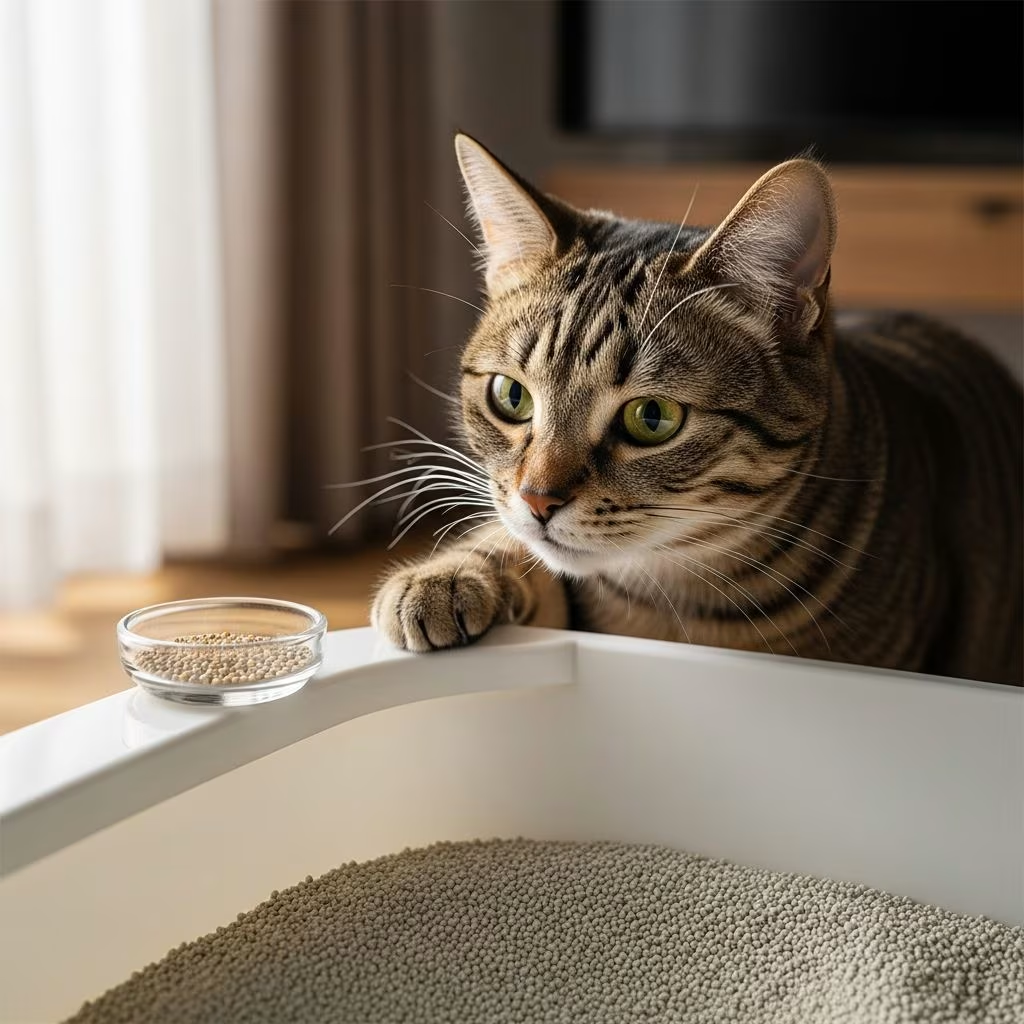
Litter box avoidance is a common frustration for cat owners, often leading to inappropriate elimination. Cat litter attractants aim to draw cats back to the box using appealing scents and textures. Research shows they can increase urination frequency in attractant-enhanced litters, particularly among males.
What Are Cat Litter Attractants?
A **cat litter attractant** is a product designed to lure cats to their litter box through enticing odors that mimic natural elimination cues. These attractants typically include plant extracts, synthetic pheromones, or herbal oils that cats find irresistible, much like catnip. They encourage behaviors such as sniffing, digging, and using the box more frequently.
Commercial versions are powders or additives sprinkled into litter, while DIY options use household herbs. Studies indicate cats urinated more often in plant-based litters with attractants compared to plain versions, suggesting a preference for urination sites. Male cats showed stronger responses, spending more time sniffing and covering.
Why Do Cats Avoid the Litter Box?
Understanding litter box aversion is key before trying attractants. Cats may avoid boxes due to:
- Medical issues: Urinary tract infections, arthritis, or constipation make elimination painful, leading to avoidance.
- Litter box problems: Covered boxes, small sizes, insufficient litter depth, or infrequent cleaning deter use. Overpowering odors from dirt or perfumes also repel cats.
- Litter preferences: Cats favor unscented, clumping litter resembling fine sand. Changes in brand or type can cause rejection.
- Stress or anxiety: Common in multi-cat homes, moves, or new pets. Cats may guard boxes or eliminate elsewhere when overwhelmed.
- Location issues: Boxes in noisy, high-traffic areas feel unsafe.
Addressing these first maximizes attractant effectiveness. For instance, one study noted cats eliminated immediately after scooping, highlighting cleanliness’s role.
Do Cat Litter Attractants Work?
Evidence supports attractants, especially for urination. A study with 16 cats compared plant-based clumping litter (PLANT) to one with attractant (ATTRACT). Cats urinated significantly more in ATTRACT litter (p < 0.05), with males sniffing longer and more frequently. No major differences appeared in defecation or other behaviors, but increased urination suggests preference.
Males exhibited gender-specific traits, like extended covering and sniffing, possibly linked to retained mating behaviors even in neutered cats. Attractants may reduce house soiling, a top surrender reason (30% of shelter intakes).
Limitations include small sample sizes and prior clay litter exposure; older cats’ preferences may vary. When paired with proper management—clean boxes, right litter type—attractants encourage consistent use.
Types of Cat Litter Attractants
Attractants vary by formulation:
| Type | Description | Pros | Cons |
|---|---|---|---|
| Commercial Powders | Herbal blends (e.g., thyme, chamomile) or pheromones added to litter. | Easy to use; study-backed for urination boost. | May clump poorly; cost adds up. |
| Synthetic Pheromones | Mimic feline facial pheromones for comfort. | Reduces stress-related avoidance. | Less scent-focused; variable response. |
| Plant-Based | Extracts like catnip or thyme. | Natural; affordable DIY options. | Overstimulation risk in sensitive cats. |
Cats prefer fine-grained, unscented clumping litters overall, enhanced by attractants.
DIY Cat Litter Attractants
Homemade options are cost-effective and customizable. Always test small amounts to avoid mess or overstimulation.
1. Catnip
The simplest: **Catnip** contains nepetalactone, eliciting euphoria or calm in 70-80% of cats. Crush dried leaves, sprinkle 1/4 teaspoon into a clean, empty box, then add litter. Reapply weekly. Caution: Hyper cats may scatter litter.
2. Cat Thyme
**Cat thyme** (Teucrium marum) offers a potent, musky scent safer than catnip for some. Mix ground dried herb (1 tsp) with cornstarch (2 tbsp) to mellow odor. Sprinkle post-cleaning. Trial ratios for human tolerance—it’s pungent!
3. Herbal Blends
Combine safe herbs:
- Dried chamomile (calming).
- Lemongrass or valerian root (mild attractants).
- Baking soda for odor control.
Grind 1 tbsp mix, dust lightly. Avoid essential oils—too concentrated and toxic if ingested.
4. Yeast and Warm Water
Dissolve 1 tsp brewer’s yeast in warm water; spritz box. Mimics natural scents but use sparingly to prevent sogginess.
DIY success depends on your cat’s preferences. Monitor for increased visits.
Pros and Cons of Using Cat Litter Attractants
Pros:
- Increase box usage, per studies (more urination events).
- Non-toxic, natural options available.
- Help kittens learn or retrain adults.
- Reduce stress in anxious cats.
Cons:
- Not universal—10-30% cats ignore scents like catnip.
- Males respond better; females less so.
- Added cost for commercials; DIY mess potential.
- Mask underlying medical issues if not vetted first.
How to Use Cat Litter Attractants Effectively
- Vet check: Rule out health problems.
- Optimize setup: Uncovered boxes, 1.5-2 inches litter, one per cat +1, quiet spots.
- Introduce gradually: Scoop old litter, add attractant to fresh. Transition litters slowly.
- Scoop daily: Cats prefer post-clean freshness.
- Monitor: Video behaviors if needed; adjust based on response.
- Combine strategies: Feliway diffusers for stress, play therapy for anxiety.
In multi-cat homes, provide ample boxes to prevent guarding.
Frequently Asked Questions (FAQs)
What is a cat litter attractant?
A scent-based additive (herbs, pheromones) to draw cats to the litter box, boosting sniffing and elimination.
Do litter attractants work for all cats?
Not always; studies show stronger effects in males for urination. About 70% respond to scents like catnip.
Are cat litter attractants safe?
Yes, when used as directed. Stick to pet-safe herbs; avoid toxic oils. Consult vet for kittens/seniors.
Can I make my own litter attractant?
Absolutely—catnip or cat thyme with cornstarch work well. Start small to test reactions.
Why does my cat prefer one litter over another?
Cats like fine, unscented clumping litter. Aversions stem from texture, scent, or uncleanliness.
Will attractants stop spraying?
They help box use but spraying is territorial. Address stress and neuter status.
References
- The Behavioural Effects of Innovative Litter Developed to Attract Cats — Horwitz DF, et al. PMC. 2019-09-25. https://pmc.ncbi.nlm.nih.gov/articles/PMC6770919/
- Does a litter attractant actually attract cats? — What Your Cat Wants. 2019-10-01. https://whatyourcatwants.com/litterattractant
- Cat Litter Attractants: Do They Work? Vet-Reviewed Facts & FAQ — Catster. 2023-05-15. https://www.catster.com/lifestyle/cat-litter-attractants/
- Cat Not Using Litter Box: Causes and Solutions — Best Friends Animal Society. 2024-02-12. https://bestfriends.org/pet-care-resources/cat-not-using-litter-box-causes-and-solutions



