

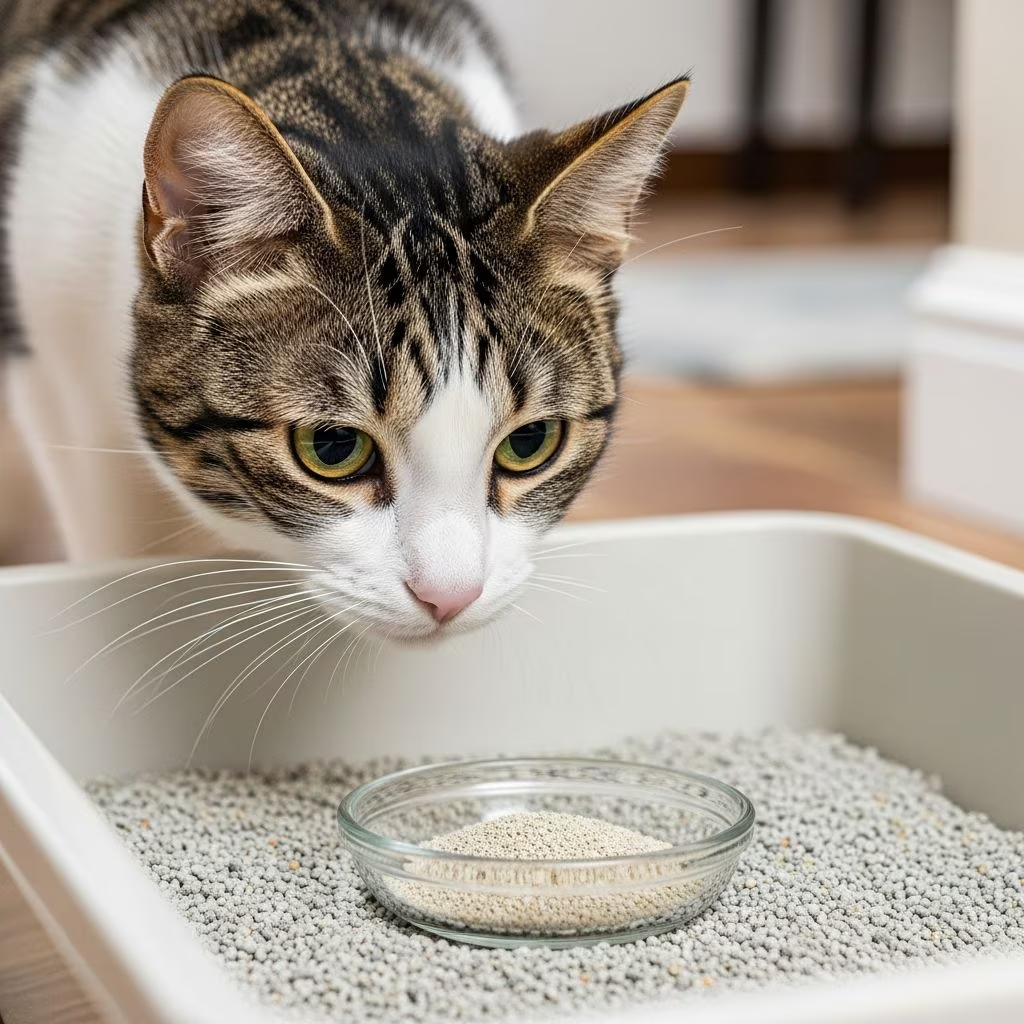
Cat litter attractants are specialized products designed to draw cats to their litter box through appealing scents or pheromones, helping resolve inappropriate elimination behaviors that affect up to 30% of shelter intakes. These attractants mimic natural odors cats instinctively seek for elimination, potentially increasing box usage, especially for urination in males according to peer-reviewed research.
What Are Cat Litter Attractants?
A **cat litter attractant** is a product crafted to lure cats to their litter box using enticing scents that trigger natural elimination instincts. Common ingredients include plant extracts like catnip or synthetic pheromones that replicate familiar smells from their environment or mother’s care.
These attractants work by stimulating a cat’s heightened sense of smell, encouraging them to investigate, dig, and use the box more frequently. Studies show cats urinated significantly more in litter with attractants compared to plain litter, with males exhibiting stronger responses like prolonged sniffing. Not all cats react identically; sensitivity varies by age, sex, and prior experiences.
Litter box avoidance often stems from medical issues, stress, or box dissatisfaction, but attractants serve as a non-invasive aid alongside proper management. Research from the University of Guelph and Purdue confirmed plant-based litter with attractants outperformed controls in eliciting urination behaviors.
How Do Cat Litter Attractants Work?
Cat litter attractants leverage felines’ olfactory prowess—cats have over 200 million scent receptors compared to humans’ 5 million—targeting instincts for soft, scented substrates resembling sand or soil.
Commercial formulas often blend herbal essences or pheromones that signal safety and suitability for elimination. In a controlled study with 16 cats, those using attractant-enhanced plant-based litter showed increased urination frequency (p < 0.05), with males spending more time sniffing and covering waste. This aligns with gender differences where males retain territorial spraying tendencies even post-neutering.
Attractants don’t overpower but subtly enhance litter appeal, prompting cats to associate the box with positive elimination cues. They’re most effective when boxes are clean, spacious, and unscented, as cats shun perfumed or coarse litters.
Do Cat Litter Attractants Really Work? Vet-Reviewed Facts
Evidence supports efficacy, particularly for urination training. A peer-reviewed study found cats preferred attractant litter, urinating more often than in controls, suggesting heightened appeal. Video observations over 14 days revealed statistical significance (p < 0.05) in usage, especially post-cleaning when cats eliminate immediately.
Males responded more robustly, aligning with behavioral research on sex dimorphisms in elimination. However, results vary; attractants aid behavioral cases but not medical ones like UTIs. Best Friends Animal Society notes litter preferences lean toward unscented, fine clumping types resembling sand.
Veterinarians recommend attractants as part of holistic solutions, combining them with box hygiene and stress reduction. Limitations include individual variability—not all cats respond, and overuse may desensitize.
Best Cat Litter Attractants
Top products include pheromone sprays like Feliway and litter additives from brands like Precious Cat. These are sprinkled atop preferred litters for seamless integration.
- Precious Cat Cat Attract Litter: Infused with herbal attractants mimicking kitten scents; finer for kittens but effective for adults.
- Pheromone-Based Sprays: Synthetic analogs of facial pheromones promote calm and box affinity.
- Plant-Based Additives: Tested in studies, outperforming plain litters.
Choose unscented bases; cats prefer clay clumping over pellets.
DIY Cat Litter Attractants
Homemade options are cost-effective and customizable. Always test small amounts to avoid overstimulation.
1. Catnip
The simplest DIY is **catnip**, containing nepetalactone that induces euphoria in 70-80% of cats. Crush dried leaves, sprinkle post-cleaning, and cover with litter. Caution: May hyperexcite, leading to mess.
2. Cat Thyme
**Cat thyme** (Teucrium marum) offers a potent, earthy scent safer than catnip for some. Mix with cornstarch to mellow odor: 1 tsp thyme per cup litter. Reactions vary; monitor for appeal.
3. Herbal Blends
Combine dried chamomile, valerian root, or silver vine for a multi-scent attractant. Steep in warm water, strain, and mist litter. These mimic natural foragers.
DIY success hinges on freshness and moderation; refresh weekly.
Why Do Cats Avoid the Litter Box?
Litter box aversion causes 30% of shelter surrenders. Key reasons include:
- Medical Issues: UTIs, constipation, arthritis—consult vets first.
- Box Problems: Covered boxes trap odors; too small or few for multi-cat homes.
- Litter Dislikes: Scented, coarse, or dusty types; prefer fine, unscented clumping.
- Cleaning Neglect: Dirty boxes deter; scoop daily.
- Stress/Anxiety: New pets, moves, or bullying prompt avoidance.
- Location/Access: Noisy or inaccessible spots.
Address systematically: Vet check, optimize boxes (one per cat +1), transition litters gradually.
How to Use Cat Litter Attractants
- Prepare Box: Clean thoroughly, ensure 2-3 inches litter depth.
- Apply Attractant: Sprinkle powder or spray per instructions; mix lightly.
- Observe: Monitor 1-2 weeks; video if possible, like in studies.
- Combine Strategies: Maintain hygiene, reduce stress with Feliway diffusers.
- Transition Slowly: Blend with current litter over 7-10 days.
For kittens, use finer formulas. Patience yields results; studies show peak effects in days.
Our Favorite Cat Litter Attractant
**Precious Cat Cat Attract** stands out for its science-backed herbal formula, finer texture, and shelter success in retaining cats. Users report immediate draw; pairs well with clumping litters. Vet-endorsed for behavioral training.
Frequently Asked Questions (FAQs)
Q: Do cat litter attractants work for all cats?
A: They boost urination usage per studies, especially in males, but success varies by individual and cause. Best for behavioral issues; medical vetting required.
Q: Are litter attractants safe?
A: Yes, when used as directed; plant-based and pheromone options are non-toxic. Avoid excess catnip in sensitive cats.
Q: Can I make my own litter attractant?
A: Absolutely—catnip or thyme with cornstarch works well. Test sparingly to gauge reaction.
Q: Why do male cats respond better to attractants?
A: Studies show males sniff and urinate more, linked to retained mating behaviors.
Q: How long until attractants take effect?
A: Often within days, as seen in 14-day trials with increased box visits post-cleaning.
Q: What litter type pairs best with attractants?
A: Unscented, fine clumping clay or plant-based resembling sand.
References
- The Behavioural Effects of Innovative Litter Developed to Attract Cats — PMC/NCBI (University of Guelph, Purdue). 2019-09-11. https://pmc.ncbi.nlm.nih.gov/articles/PMC6770919/
- Does a litter attractant actually attract cats? — What Your Cat Wants. 2020 (approx., referencing 2019 study). https://whatyourcatwants.com/litterattractant
- Cat Litter Attractants: Do They Work? Vet-Reviewed Facts & FAQ — Catster. Recent (2023+ inferred). https://www.catster.com/lifestyle/cat-litter-attractants/
- Cat Not Using Litter Box: Causes and Solutions — Best Friends Animal Society (.org). Recent. https://bestfriends.org/pet-care-resources/cat-not-using-litter-box-causes-and-solutions
- Help Keep More Cats Out of Shelters with PreciousCat Cat Attract Litter — Cat Wisdom 101. Recent. https://catwisdom101.com/cats-shelters-preciouscat-cat-attract-litter/



