

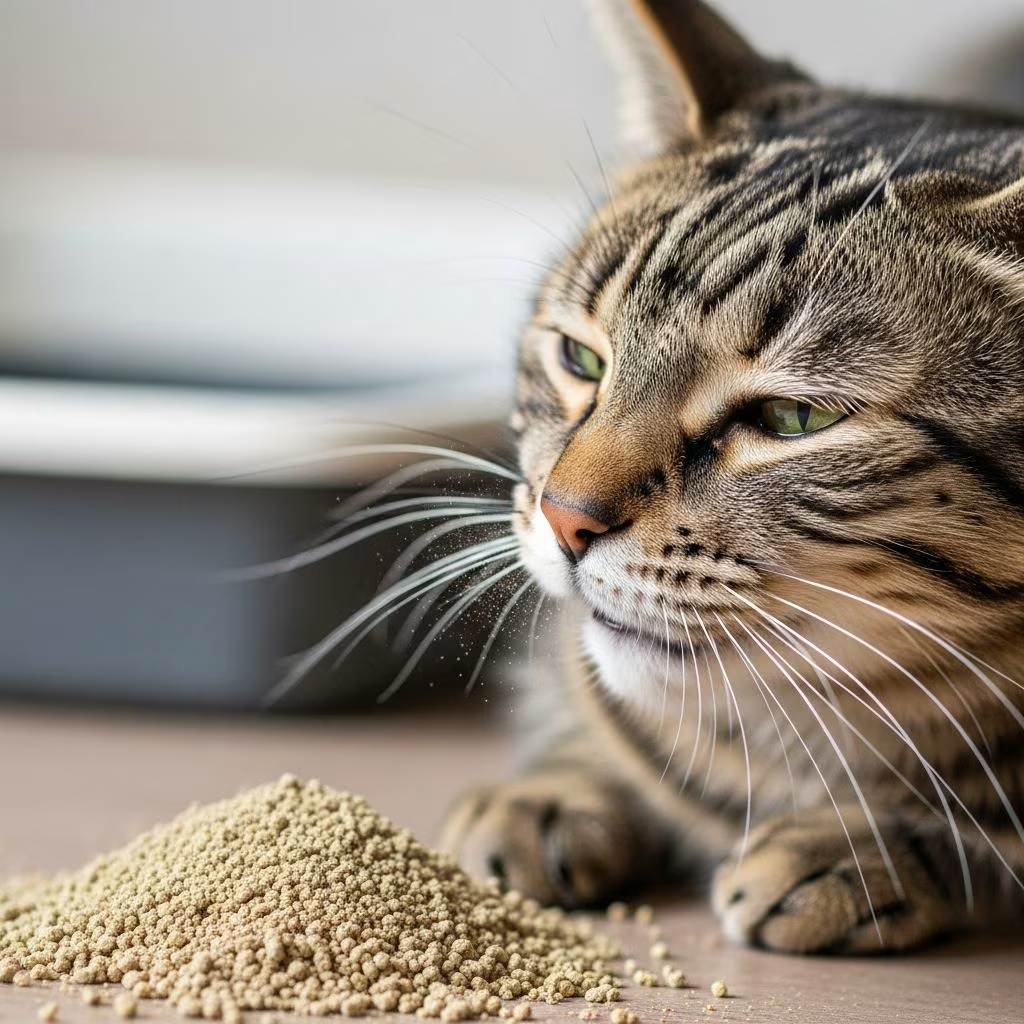
Cat litter allergies are a common yet often overlooked issue that can cause discomfort for your feline friend. These allergies typically stem from dust, fragrances, chemicals, or clay particles in traditional litters, leading to respiratory problems, skin irritation, and behavioral changes. Recognizing and addressing litter allergies promptly can significantly improve your cat’s quality of life. This comprehensive guide covers symptoms, causes, diagnosis, treatment options, prevention strategies, and the best hypoallergenic litters available.
What Is Cat Litter Allergy?
Cat litter allergy occurs when a cat’s immune system overreacts to components in cat litter, such as fine dust particles, synthetic fragrances, bentonite clay, silica dust, or chemical additives. These allergens can become airborne during digging or cleaning, irritating the respiratory tract, eyes, skin, and paws. Unlike food or flea allergies, litter allergies primarily manifest through contact and inhalation exposure in the litter box area. Indoor cats using clumping clay litters are particularly susceptible due to daily exposure.
Environmental factors like poor litter box hygiene exacerbate the issue, as urine-soaked litter releases ammonia and promotes mold growth, further aggravating sensitivities. Studies and veterinary reports indicate that up to 15-20% of cats may show signs of litter-related irritation, though exact prevalence varies. Early intervention is key to preventing secondary infections or chronic conditions like asthma.
Symptoms of Cat Litter Allergy
Symptoms of cat litter allergy can range from mild respiratory irritation to severe skin conditions and behavioral shifts. Cats may exhibit acute signs immediately after using the litter box or develop chronic issues over time. Common indicators include:
- Respiratory symptoms: Sneezing, coughing, wheezing, congestion, snoring, or labored breathing, often worsening near the litter box.
- Eye irritation: Watery, red, or itchy eyes with excessive blinking or pawing at the face.
- Skin and paw issues: Itching, redness, paw licking, hot spots, hair loss, or scabs on paws and underbelly from chemical contact.
- Digestive upset: Vomiting or diarrhea if dust is ingested during grooming.
- Behavioral changes: Avoiding the litter box, eliminating outside it, excessive grooming, or restlessness.
These symptoms mimic other allergies, so tracking when they occur—especially post-litter use—is crucial for differentiation. Severe cases may lead to allergic bronchitis, characterized by airway inflammation from dusty litters or molds.
Causes of Cat Litter Allergy
Several litter components trigger allergic reactions in sensitive cats. Understanding these helps in selecting safer alternatives:
- Dust and fine particles: Clumping litters produce inhalable silica or clay dust, causing respiratory distress similar to silicosis in humans.
- Fragrances and scents: Artificial perfumes mask odors but irritate airways and skin.
- Chemicals and additives: Bentonite clay, silica gel, or preservatives provoke contact dermatitis.
- Mold and bacteria: Poorly maintained litter fosters allergens from humidity and waste.
- pH and texture: Harsh alkaline litters irritate paws, leading to avoidance.
Genetic predisposition plays a role; breeds like Siamese or Bengals may be more prone. Concurrent environmental allergens like pollen amplify litter sensitivities.
How Is Cat Litter Allergy Diagnosed?
Diagnosing litter allergy involves ruling out other causes like fleas, food sensitivities, or infections. Start with a veterinary exam:
- History and observation: Note symptom timing, litter type, and box habits.
- Physical exam: Check for skin lesions, ear infections, or respiratory sounds.
- Allergy testing: Intradermal skin tests or blood serum analysis for environmental allergens.
- Litter trial: Switch to hypoallergenic litter and monitor for 2-4 weeks.
- Exclusion diet/trials: If food overlap suspected.
Vets may perform cytology on skin scrapings or fecal tests. No single test confirms litter allergy; response to litter change is diagnostic gold standard.
Treatment for Cat Litter Allergy
Treatment focuses on allergen avoidance and symptom relief. Consult a vet before starting:
- Litter switch: Primary fix—opt for dust-free, fragrance-free options.
- Medications: Antihistamines (e.g., chlorpheniramine), corticosteroids for inflammation, or Apoquel-like drugs.
- Topicals: Medicated shampoos or sprays for skin.
- Immunotherapy: Custom allergy shots for desensitization, effective in 60-80% of cases over 6-12 months.
- Supportive care: Omega-3 supplements, probiotics for gut health.
Avoid long-term steroids due to risks like diabetes. Hospitalization with oxygen may be needed for asthma flares.
Prevention Tips for Cat Litter Allergy
Preventing litter allergies involves proactive litter management:
- Scoop daily and fully change weekly to minimize dust and ammonia.
- Use enclosed boxes with filters to trap particles.
- Ventilate litter area; avoid humid basements.
- Regular flea control to exclude mimics.
- Introduce new litters gradually.
Annual vet check-ups catch early signs.
Best Hypoallergenic Cat Litters
Not all litters are equal. Here’s a comparison of top hypoallergenic options:
| Litter Type | Key Features | Pros | Cons | Best For |
|---|---|---|---|---|
| Paper-based (e.g., Yesterday’s News) | Dust-free, absorbent, biodegradable | Low tracking, soft on paws, no scents | Less clumping | Sensitive paws/respiratory |
| Pine/wood pellets | Natural, low-dust, odor control | Eco-friendly, biodegradable | Tracking, scent for some | Allergy-prone cats |
| Silica gel crystals | Dust-free, superior absorption | Long-lasting, lightweight | Costly, non-biodegradable | Odor control |
| Corn/wheat-based | Clumping, natural, low dust | Flushable options | Mold risk if wet | Clumping preference |
| Grass seed litter | Ultra-low dust, plant-based | Lightweight, clumping | Newer, availability | Multi-cat homes |
Transition slowly over 1-2 weeks by mixing old and new litter.
Frequently Asked Questions (FAQs)
Can cat litter cause sneezing and watery eyes?
Yes, dust and fragrances in litter commonly cause respiratory symptoms like sneezing and eye irritation in allergic cats.
Why is my cat avoiding the litter box?
Litter allergies make the box uncomfortable due to paw irritation or respiratory distress, prompting elimination elsewhere.
Is clay litter safe for cats?
Traditional clay litters can trigger allergies via dust and chemicals; switch to low-dust alternatives for safety.
How long does it take to see improvement after switching litters?
Most cats show relief in 3-7 days, full resolution in 2-4 weeks with consistent use.
Can humans get allergies from cat litter?
Yes, dust, scents, and dander can cause human sneezing, itching, or asthma, especially in shared spaces.
Reader Interactions
Have you dealt with cat litter allergies? Share your experiences with litters or treatments in the comments below!
References
- Allergies in Cats: Causes, Symptoms, & Treatment — Whisker. 2023. https://www.whisker.com/blog/allergies-in-cats
- Cat Skin Allergies & Allergic Dermatitis: Symptoms & Treatments — Purina. 2024-01-15. https://www.purina.com/articles/cat/health/skin-fur-ears/cat-skin-allergies-dermatitis
- What if my cat is allergic to litter? — CatSpot Litter. 2023. https://catspotlitter.com/blogs/frequenty-asked-questions/what-if-my-cat-is-allergic-to-litter
- My Cat Can’t Stop Itching! The Truth About Cat Allergies — Haywood Vet. 2024. https://www.haywoodvet.com/services/cats/blog/my-cat-cant-stop-itching-truth-about-cat-allergies
- The Hidden Dangers of Litter Boxes and Safer Alternatives — Ruff Start Rescue. 2025-02-13. https://ruffstartrescue.org/2025/02/13/hidden-dangers-of-litter-boxes/
- Cat Allergies: Types and Symptoms — PetMD. 2024. https://www.petmd.com/cat/conditions/systemic/allergies-cats



