

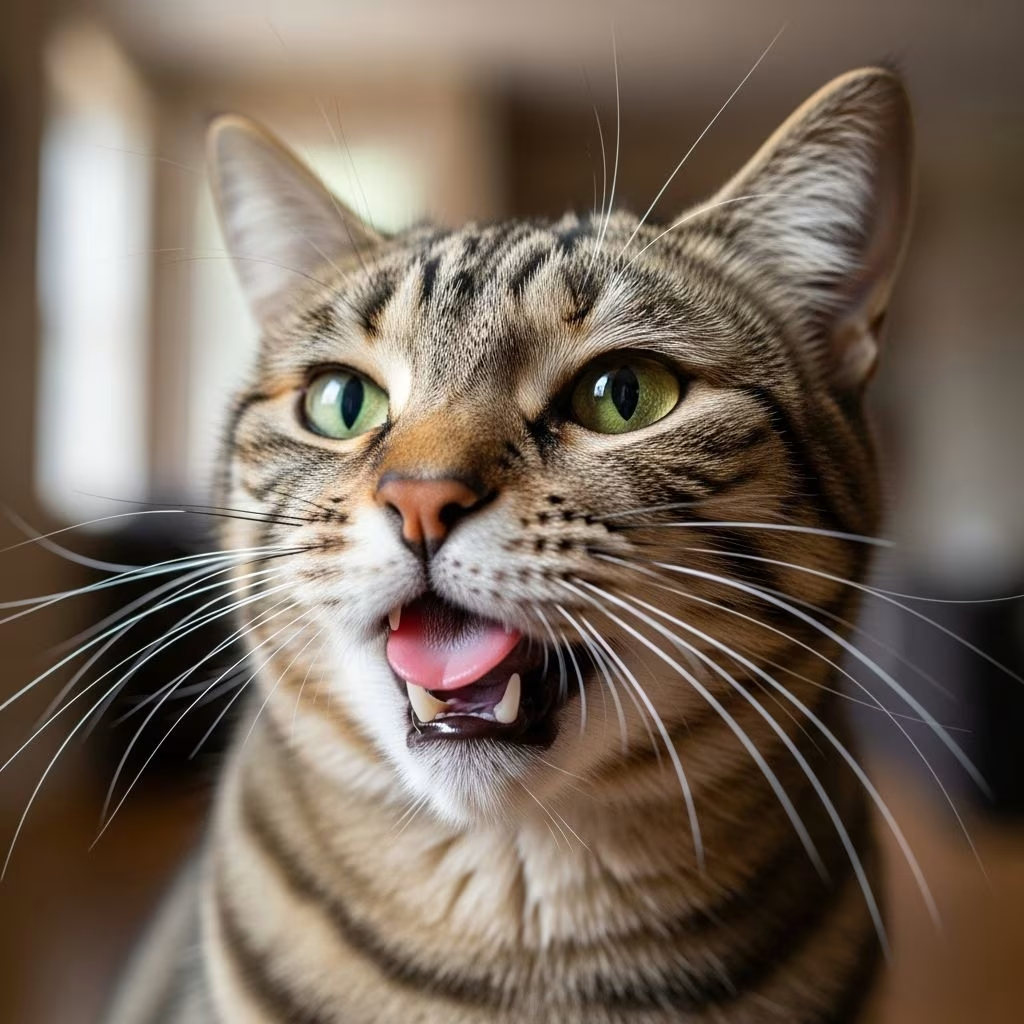
Observing your cat engage in lip smacking can trigger concern or curiosity, depending on the frequency and context. This common feline behavior manifests in various situations, ranging from completely benign reactions to potential indicators of underlying health concerns. By understanding the different reasons cats exhibit this behavior, you can better assess your pet’s wellbeing and determine whether veterinary attention is necessary.
The Natural Grooming Instinct Behind Lip Movements
One of the most straightforward explanations for cat lip smacking involves the grooming process. Cats are inherently meticulous creatures who dedicate significant portions of their day to personal hygiene. When your cat finishes consuming food, engaging in lip smacking represents a natural cleanup mechanism. This behavior stems from ancestral predatory instincts; in the wild, cats remove food remnants and associated scent traces to avoid attracting larger predators or alerting prey species to their presence.
The grooming-related lip smacking typically occurs shortly after meals and may be accompanied by facial grooming, whisker cleaning, or overall body maintenance. This type of lip movement is usually brief and sporadic, distinguished from more persistent or repetitive patterns. Understanding this context helps pet owners recognize when lip smacking falls within normal behavioral parameters.
Anticipation and Food-Related Responses
Cats possess highly sensitive olfactory systems that trigger physiological responses when they detect appetizing aromas. When your cat encounters food preparation or smells a meal being readied, their body naturally increases saliva production in anticipation of eating. This increased salivation requires management, and lip smacking serves as a method to handle the moisture buildup. The behavior essentially represents your cat’s mouth preparing for consumption.
Additionally, when cats encounter unfamiliar tastes or textures—whether from a new food, a plant they’ve nibbled, or an unusual substance they’ve explored—they frequently respond with lip smacking. This reaction helps them process and respond to novel sensory experiences. If your cat has sampled something with an unpleasant flavor, repeated lip movements and increased salivation represent their body’s attempt to manage the sensation and clear their mouth.
Stress, Anxiety, and Emotional Responses
Cats communicate emotional states through subtle behavioral cues, and lip smacking functions as one such indicator. When experiencing stress or anxiety, cats often engage in self-soothing behaviors, with lip smacking representing one manifestation of this coping mechanism. This behavior falls under the category of displacement behaviors—actions cats perform when experiencing conflicting emotions or uncertainty about how to respond to their environment.
Common stressors triggering this behavior include veterinary visits, car rides, household changes, introduction of new pets, loud noises, or the presence of unfamiliar visitors. During these moments, your cat’s nervous system activation prompts increased salivation and repetitive lip movements as a calming strategy. Recognizing lip smacking as a stress indicator allows you to provide comfort, create a calm environment, and potentially identify and mitigate household stressors affecting your cat’s emotional wellbeing.
Environmental Factors Influencing Lip Smacking Patterns
Your home’s environment significantly influences your cat’s behavior and physiological responses. Changes in temperature, humidity levels, or air quality can prompt increased lip smacking, particularly during seasonal transitions. Dry indoor heating during winter months can create xerostomia (excessive dryness in the mouth), leading to more frequent lip movements as cats attempt to maintain oral moisture.
Introduction of new scents into your home environment also stimulates this behavior. Cats rely heavily on olfactory information to navigate and understand their world. When you bring home new cleaning products, air fresheners, cooking odors, perfumes, or candles, your cat may respond with lip smacking as they process these novel scents. This reaction typically diminishes as the cat becomes accustomed to the new smell, but tracking which scents trigger the response provides insight into your cat’s sensory preferences and sensitivities.
Medical Conditions Associated with Lip Smacking
While many instances of lip smacking represent normal behavior, persistent or excessive occurrences warrant veterinary evaluation to exclude underlying health conditions.
Nausea and Gastrointestinal Issues
One of the most common medical reasons cats smack their lips involves nausea or digestive disturbances. Cats experiencing upset stomachs, indigestion, or queasiness frequently display excessive salivation accompanied by repeated lip movements. This pattern often precedes vomiting, though not always. Gastrointestinal issues can stem from hairballs, dietary changes, food sensitivities, or more serious conditions. If your cat’s lip smacking occurs regularly or accompanies other symptoms like reduced appetite, lethargy, or actual vomiting, veterinary consultation becomes essential.
Dental and Oral Health Problems
Cats suffering from dental disease, gum infections, tooth pain, or oral injuries frequently engage in lip smacking as a response to discomfort. As dental disease progresses, plaque accumulates and transforms into tartar, creating an environment conducive to bacterial growth that damages periodontal tissues. This progression causes pain and inflammation that prompts cats to lick their lips excessively in attempts to alleviate discomfort. Additionally, foreign objects lodged in the mouth—such as bone fragments, plant material, or other debris—trigger similar responses. Oral injuries from bites, chemical exposure, or ingestion of caustic substances also manifest through this behavior.
Excessive Salivation Disorders
Ptyalism, or abnormally excessive salivation, can result from various underlying health conditions including tumors, kidney disease, liver problems, upper respiratory infections, or ingestion of toxic substances. When cats produce excessive saliva, they necessarily engage in more frequent lip licking to manage the moisture. This type of lip smacking differs from normal grooming behavior in its persistence and volume of associated drooling.
Respiratory Conditions and Allergies
Cats experiencing upper respiratory infections, allergies, or nasal congestion frequently lick their lips more often than usual. Nasal congestion alters normal breathing patterns and may cause discomfort that prompts lip movements. Additionally, cats often lick their lips after sneezing or coughing episodes. Seasonal allergies or environmental sensitivities can trigger similar responses, with affected cats displaying increased lip smacking during high-pollen seasons or when exposed to allergens.
Neurological Considerations
In some cases, excessive or repetitive lip smacking may indicate underlying neurological issues, including focal seizures or obsessive-compulsive disorders. These conditions typically manifest through more persistent, purposeless lip movements that differ from situational or contextual smacking. Neurological causes require professional veterinary evaluation to establish accurate diagnosis and appropriate treatment protocols.
When to Contact Your Veterinarian
Distinguishing between normal lip smacking and behavior warranting veterinary attention requires careful observation of frequency, duration, and associated symptoms.
- Persistent lip smacking occurring multiple times daily without clear contextual triggers
- Accompanied by drooling, vomiting, or changes in eating habits
- Combined with behavioral changes such as lethargy, aggression, excessive vocalization, or withdrawn behavior
- Preceded by known ingestion of toxic substances or foreign objects
- Associated with visible oral abnormalities including swelling, discharge, bleeding, or foul odor
- Occurring after medication administration, suggesting potential adverse reactions
- Accompanied by neurological symptoms such as disorientation, loss of coordination, or involuntary movements
When any of these scenarios occur, scheduling a veterinary appointment ensures professional evaluation and appropriate diagnostic testing if necessary.
Assessment Strategies for Understanding Your Cat’s Behavior
Effective evaluation of your cat’s lip smacking involves systematic observation and documentation:
Contextual Analysis
Note the specific circumstances surrounding lip smacking episodes. Does the behavior occur immediately after meals, during specific times of day, or in response to particular triggers? Recording these details helps establish patterns and provides valuable information for your veterinarian.
Body Language Observation
Evaluate your cat’s overall body posture and demeanor during lip-smacking episodes. Stressed cats often display additional signs including flattened ears, dilated pupils, tension in the body, or attempts to hide. Cats experiencing physical discomfort may show protective behaviors around their mouth or face.
Associated Symptoms
Monitor for accompanying symptoms that might suggest specific causes. Nasal discharge suggests respiratory involvement, while vomiting indicates gastrointestinal disturbance. Behavioral changes like decreased appetite or increased sleeping patterns can indicate underlying health issues.
Distinguishing Lip Smacking from Other Feline Behaviors
Lip smacking differs from related behaviors that cat owners might observe. Excessive grooming or overgrooming typically involves the cat licking their fur rather than their lips specifically. Chattering, which produces a distinctive sound, represents a different vocalization often directed at prey or triggered by predatory instinct. Drooling, while sometimes accompanying lip smacking, can occur independently and may indicate different conditions. Understanding these distinctions helps ensure you’re accurately describing your cat’s behavior to your veterinarian.
Managing Stress-Related Lip Smacking
If you’ve identified stress as the likely cause of your cat’s lip smacking, implementing environmental modifications can reduce anxiety and associated behaviors. Creating safe spaces where your cat can retreat provides security during stressful periods. Maintaining consistent routines helps cats feel more in control of their environment. Interactive play sessions and environmental enrichment reduce overall stress levels. Gradual introduction to new situations, people, or pets allows your cat to acclimate at their own pace. Pheromone diffusers and calming supplements may provide additional support, though these should be discussed with your veterinarian before use.
FAQ
Is occasional lip smacking normal for cats?
Yes, occasional lip smacking in response to food, taste exploration, or environmental changes represents normal feline behavior. Concern arises when the behavior becomes persistent, excessive, or accompanied by other symptoms.
What distinguishes playful curiosity from problematic lip smacking?
Behavioral context provides the primary distinction. Normal exploration-related lip smacking occurs occasionally and ceases once the cat loses interest or identifies the source. Problematic patterns persist over time, occur multiple times daily, or accompany other concerning symptoms.
Can indoor cats develop different lip-smacking patterns than outdoor cats?
Environmental exposure differs between indoor and outdoor cats, affecting potential triggers and causes. Indoor cats may respond more noticeably to household scents or changes, while environmental allergies might differ. However, the underlying causes of lip smacking remain consistent between populations.
Does lip smacking indicate food allergies?
While food sensitivities can prompt lip smacking through nausea or digestive discomfort, lip smacking alone doesn’t confirm food allergies. Veterinary diagnostics, elimination diets, and allergy testing provide more definitive assessment of food-related sensitivities.
When should I be concerned about my cat’s lip smacking?
Concern becomes appropriate when lip smacking occurs daily without contextual explanation, persists for extended periods, accompanies other symptoms, or represents a change in your cat’s normal behavioral patterns.
References
- 7 Reasons Why Cats Lick Their Lips — Cat Behavior Associates. Accessed January 2026. https://catbehaviorassociates.com/7-reasons-why-cats-lick-their-lips/
- What It Means When Your Cat Is Smacking Their Lips — PetPlace.com. Accessed January 2026. https://www.petplace.com/article/cats/diseases-conditions-of-cats/what-it-means-when-your-cat-is-smacking-her-lips
- What It Means When Cats Lick Their Lips — Midtown Veterinary Practice. Accessed January 2026. https://midtownveterinarypractice.com/blog/cats-lick-their-lips/
- Cats that Lick Too Much — Cornell University College of Veterinary Medicine, Cornell Feline Health Center. Accessed January 2026. https://www.vet.cornell.edu/departments-centers-and-institutes/cornell-feline-health-center/health-information/feline-health-topics/cats-lick-too-much



