

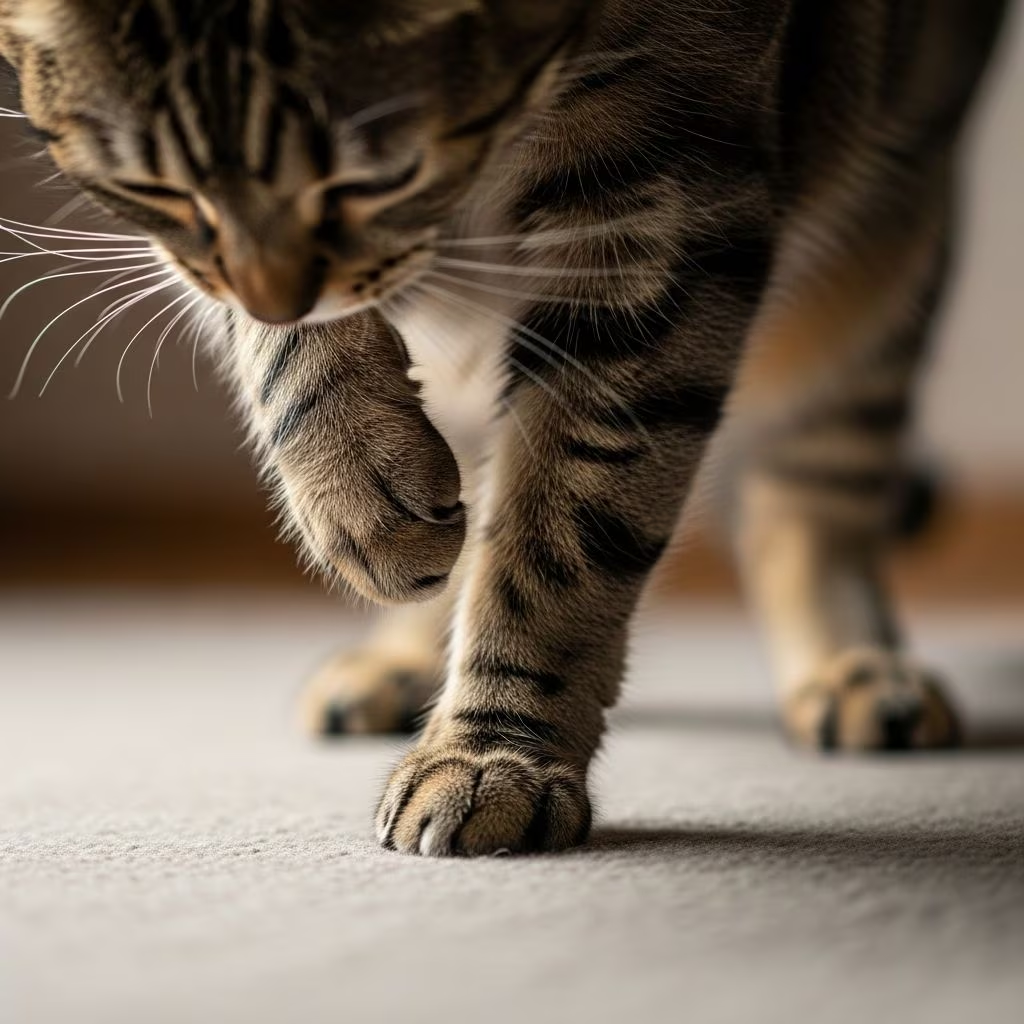
Seeing your cat limp can be alarming, as it signals pain or discomfort affecting their mobility. Limping in cats, also known as lameness, occurs when a cat favors one leg over others, often due to injury, illness, or underlying health issues. While some cases resolve with rest, others require immediate veterinary attention to prevent complications. This guide covers everything from common causes and symptoms to diagnosis, treatment options, and prevention strategies, helping you support your feline friend’s recovery.
What Does Limping in Cats Look Like?
Limping manifests as an abnormal gait where your cat avoids putting full weight on one or more legs. It may appear as a subtle hop, a dragged paw, or complete refusal to use the affected limb. Cats are masters at hiding pain, so early signs include reluctance to jump, reduced playfulness, or excessive grooming of the sore area. Front leg limps often stem from paw injuries, while hind leg issues might relate to joints or hips. Observing the limp’s severity—mild (occasional favoring), moderate (consistent hobbling), or severe (non-weight bearing)—helps gauge urgency.
Common Causes of Cat Limping
Cat limping arises from various sources, ranging from everyday mishaps to chronic diseases. Understanding these helps determine if home care suffices or if professional intervention is needed.
Injuries and Trauma
Injuries top the list of limping causes, including sprains (ligament stretches or tears), fractures (bone breaks), wounds (cuts, punctures, abrasions), and paw pad burns from hot surfaces. Cats often sustain these from falls, fights, or jumps gone wrong. A sprained leg causes swelling and tenderness, while fractures demand urgent care. Embedded foreign objects like thorns or glass shards frequently lodge in paws, leading to infection if untreated.
Arthritis and Joint Issues
**Arthritis**, particularly osteoarthritis, degenerates joint cartilage, causing pain, stiffness, and limping, especially in older cats. Symptoms worsen with activity or cold weather, progressing from subtle gait changes to pronounced lameness. Younger cats may suffer from patellar luxation (kneecap dislocation) or hip dysplasia (malformed hip joints), congenital issues leading to lifelong discomfort.
Infections and Abscesses
Bacterial infections from bites, scratches, or punctures form abscesses—pus-filled swellings causing severe pain and limping. Fungal infections like cryptococcosis affect joints or bones systemically. Infected nails or paw wounds exacerbate lameness if bacteria enter deep tissues.
Foreign Objects and Paw Problems
Thorns, splinters, gravel, or overgrown/ingrown toenails commonly embed in paws, prompting limps. Torn nails from scratching or climbing bleed and hurt. Hot pavement burns pads, mimicking injury.
Neurological and Other Issues
Neurological problems, strains, frostbite, or autoimmune diseases disrupt normal movement. Tumors (benign lipomas or malignant osteosarcoma) in bones or soft tissues alter gait and cause progressive lameness.
Symptoms to Watch For
Beyond the limp, monitor swelling, heat, redness, discharge, fever, lethargy, appetite loss, or behavioral changes like hiding. If limping persists over 24-48 hours, worsens, or accompanies these signs, seek vet care promptly. Cats limping but still jumping may have minor strains, yet vigilance is key.
When to See a Vet for Cat Limping
Not all limps need immediate ER visits, but err on caution. Rush to the vet if: the cat won’t bear weight; there’s open wounds, bleeding, swelling, or deformity; limping follows trauma; or it lasts >24 hours with other symptoms. For mild cases (e.g., visible thorn), attempt safe removal then monitor. Always consult vets before medicating, as human drugs like ibuprofen are toxic to cats.
Diagnosis: What to Expect at the Vet
Vets start with history: when limping began, changes, accidents, diet, meds, activity. Physical exams check gait, palpate limbs for pain/swelling, assess joints/nails. Diagnostics include X-rays for fractures/tumors, bloodwork for infections/systemic issues, ultrasounds, or biopsies. This pinpoints causes for tailored treatment.
Treatment Options for Limping Cats
Treatment targets the cause:
- Medications: NSAIDs (e.g., Meloxicam, Onsior) for pain/inflammation; antibiotics (Clavamox, Convenia) for infections; antifungals as needed.
- Surgery: For fractures, dislocations, tumors, or severe abscesses—ranging from pinning bones to amputations in extremes.
- Wound Care/Bandaging: Cleaning, draining abscesses, bandaging/spraining.
- Physical Therapy: Massage, hydrotherapy, exercises to rebuild strength/mobility.
- Supplements/Therapies: Glucosamine, omega-3s, acupuncture, laser therapy, CBD for arthritis.
New arthritis treatments include monoclonal antibodies for targeted pain relief.
Home Care and First Aid for Minor Limping
For mild cases:
- Gently inspect paws/legs for objects (wrap cat in towel if resistant).
- Clean wounds with saline; apply pet-safe antiseptic.
- Confine indoors, limit jumping; provide soft bedding.
- Monitor eating, litter use, poop.
- Encourage rest but gentle movement.
Avoid OTC meds. If no improvement in 24 hours, vet visit essential.
Preventing Limping in Cats
Minimize risks: trim nails regularly; supervise outdoor time; provide joint-friendly diets/supplements for seniors; maintain weight to reduce joint stress; annual vet checks catch issues early. Indoor cats with enrichments avoid trauma.
Cat Limping Front Leg vs Back Leg
| Aspect | Front Leg Limping | Back Leg Limping |
|---|---|---|
| Common Causes | Paw injuries, nails, foreign objects, strains | Arthritis, hip dysplasia, cruciate tears, abscesses |
| Symptoms | Hopping, head bobbing | Bunny hopping, swaying hips |
| Treatment | Often conservative (rest, cleaning) | May need imaging/surgery |
Front limps frequently resolve faster; back issues signal chronic problems.
Frequently Asked Questions (FAQs)
Why is my cat limping but still eating and jumping?
Mild sprains or paw irritations allow activity despite discomfort. Monitor closely; persistent cases need vet evaluation.
How long can a cat limp before seeing a vet?
24-48 hours for mild limps; immediate for severe pain, swelling, or trauma.
Can I give my cat pain meds for limping?
No—human painkillers are toxic. Use vet-prescribed options only.
Is cat limping always serious?
No, often minor like thorns, but rule out fractures or infections.
What if my cat limps after a fight?
Check for bites/abscesses; antibiotics often needed.
References
- Cat Limping: Possible Causes, Treatment & First Aid — UrgentVet. 2023. https://urgentvet.com/cat-limping-causes-treatment-first-aid/
- Cat Limping: Causes and When it’s Time for the Emergency Vet — Veg.com. 2023. https://www.veg.com/post/cat-limping-causes-and-when-it-s-time-for-the-emergency-vet
- Cat Limping: Causes and Treatment — Back Bay Veterinary Clinic. 2023. https://www.backbayvet.com/blog/cat-limping-causes-and-treatments
- Why Is My Cat Limping? Causes, Treatment, and How To Prevent It — PetMD. 2024. https://www.petmd.com/cat/symptoms/why-my-cat-limping
- Cat Limping – When To See The Vet — All Bay Animal Hospital. 2024-01-15. https://www.allbayanimalhospital.com/site/blog/2024/01/15/cat-limping



