

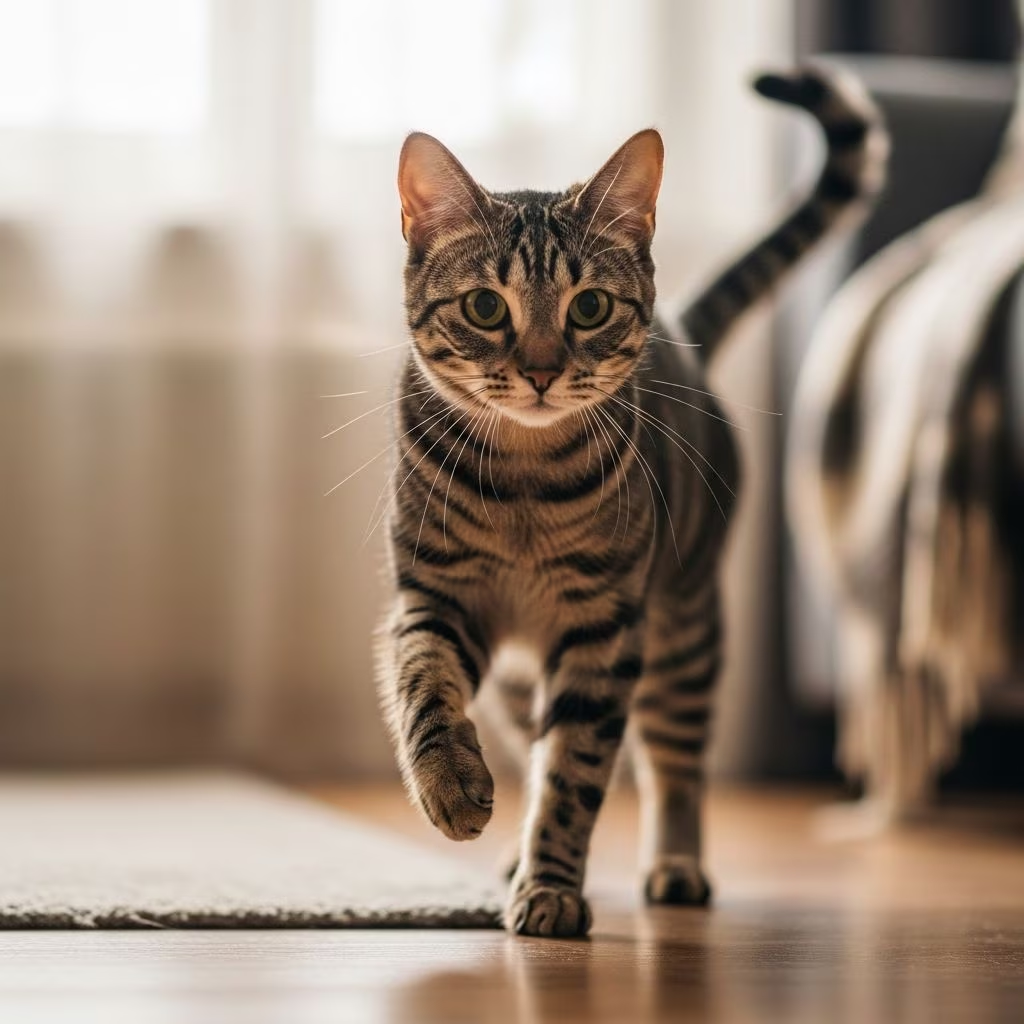
Your cat’s sudden limp might alarm you, especially if they continue leaping onto counters or chasing toys with vigor. This behavior stems from felines’ instinct to conceal weakness, a survival trait from wild ancestors that masks pain even during activity.Limping while jumping signals potential discomfort needing attention, ranging from simple fixes to urgent medical needs.
Decoding Feline Pain Signals
Cats rarely vocalize pain openly, but observant owners spot clues like altered gait, favoring one leg, or subtle flinching during petting. Even active cats may groom excessively around the sore spot or avoid high jumps post-activity. These signs indicate issues despite their playfulness.
- Intermittent hobbling during walks or runs.
- Reluctance to bear full weight on one paw.
- Swelling, heat, or redness near joints or pads.
- Changes in appetite or hiding more frequently.
Recognizing these early prevents escalation, as untreated problems worsen quickly in cats.
Primary Culprits Behind the Limp
Several factors explain why a cat limps yet remains agile. Categorizing them helps prioritize checks.
Trauma from Everyday Mishaps
Falls from furniture, awkward landings, or rough play often cause sprains or strains. These soft tissue damages allow jumping but provoke limping on landing. Minor bruises heal with rest, but persistent cases need imaging to rule out hidden fractures.
Paw and Nail Troubles
Foreign objects like thorns, glass shards, or debris embed in pads, causing sharp pain during steps. Overgrown, ingrown, or broken nails press into sensitive tissue, leading to intermittent favors. Inspect paws gently for these, as cats resist handling sore areas.
| Issue Type | Symptoms | Home Check |
|---|---|---|
| Embedded Object | Limping worsens on hard floors | Examine pads for punctures |
| Broken Nail | Bleeding, excessive licking | Trim if safe, watch for infection |
| Ingrown Claw | Swelling at nail base | Professional trim recommended |
Joint and Bone Concerns
Arthritis affects cats of all ages, causing stiffness after rest that eases with movement, mimicking a limp during transitions. Dislocations or micro-fractures from impacts present similarly, with cats compensating via other limbs.
Infections and Abscesses
Bites from fights create pus-filled abscesses, warm and painful under fur. Pad infections from cuts fester, leading to feverish limps. These demand antibiotics to avert sepsis.
Less Obvious Health Triggers
Beyond visible injuries, systemic issues lurk.
Nerve and Neurological Factors
Nerve damage from trauma or disc problems disrupts signals, causing uneven strides without full paralysis. Symptoms like dragging toes or coordination loss accompany true neurological limps, urging immediate scans.
Age-Related Wear
Older cats develop osteoarthritis, with cartilage breakdown sparking inflammation. Younger ones face congenital luxations, where kneecaps slip, prompting skips in gait.
Systemic Diseases Mimicking Limps
Heart conditions like hypertrophic cardiomyopathy lead to clots blocking hind leg blood flow, sudden weakness mimicking limps. Autoimmune flares or infections inflame joints broadly.
First Steps: Safe Home Assessment
Before rushing to the vet, perform a cautious exam.
- Observe from afar: Note which leg, duration, and triggers.
- Gently handle: Touch each limb; note reactions without forcing.
- Check paws: Clean if dirty, look for wounds under good light.
- Monitor 24 hours: Track appetite, litter use, and activity.
Confinement to a small, soft-padded room aids rest and observation. Offer pain relief only via vet-prescribed meds—human drugs like ibuprofen toxify cats.
Never ignore limps over 24 hours or with swelling/bleeding. Delays risk chronic damage.
When Veterinary Intervention is Essential
Seek professional help if:
- Limp persists beyond a day.
- Open wounds, heavy bleeding, or dragging limbs appear.
- Your cat refuses food, seems lethargic, or cries out.
- Multiple legs affected or neurological signs emerge.
Vets use physical exams, X-rays, bloodwork, or ultrasounds for diagnosis. Treatments span rest, anti-inflammatories, surgery for fractures, or joint supplements for arthritis.
Treatment Pathways by Condition
| Condition | Treatment Options | Recovery Time |
|---|---|---|
| Sprain/Strain | Rest, cold compress, NSAIDs | 3-7 days |
| Paw Wound | Cleaning, antibiotics, bandaging | 5-10 days |
| Arthritis | Joint supplements, laser therapy, weight control | Ongoing management |
| Fracture | Splint, surgery, pain control | 4-8 weeks |
| Abscess | Drainage, antibiotics | 7-14 days |
Tailored plans improve outcomes, with early action key to mobility restoration.
Preventing Future Limps
Proactive steps safeguard joints and paws.
- Maintain ideal weight to ease joint stress.
- Provide scratching posts and safe climbing zones.
- Regular nail trims prevent ingrowth.
- Annual vet checkups catch arthritis early.
- Supervise outdoor time to avoid fights/trauma.
Supplements like glucosamine support cartilage, per vet guidance.
FAQs on Active Cat Limping
Can I wait out a limp if my cat eats normally?
No—cats hide illness well. Persistent limps warrant checks to avoid complications.
Is limping always an injury?
Not necessarily; arthritis, infections, or heart issues can cause it. Full exams clarify.
How do I clean a dirty paw safely?
Use warm saline solution and soft cloth. Avoid forcing if painful; vet if infected.
What if both back legs weaken suddenly?
Emergency—could signal saddle thrombus from heart disease. Rush to vet.
Are pain meds safe at home?
Never; feline-safe options only from vets. Toxicity risks are high.
This guide equips you to address limping promptly, ensuring your cat’s joyful pounces continue safely.
References
- What To Do If Your Cat Is Limping But Still Jumping and Running — Comal PE Hospital. 2023. https://comalpethospital.com/blog/what-to-do-if-your-cat-is-limping-but-still-jumping-and-running/
- My Cat Is Limping but Still Running & Jumping — Mills Animal Hospital. 2023. https://millsanimalhospital.com/blog/cat-limping-but-still-jumping/
- Why Is My Cat Limping — Basepaws. 2023. https://basepaws.com/blog/why-is-my-cat-limping
- Why Is My Cat Limping? Causes, Treatment, and How To Help — PetMD. 2024-01-15. https://www.petmd.com/cat/symptoms/why-my-cat-limping
- Cat Limping – When It’s Time To Head To The Vet — Germantown Animal Hospital. 2021-11-15. https://www.germantownah.com/site/blog-memphis-vet/2021/11/15/cat-limping
- Cat Limping? Possible Causes and What to Do — Vets of the Rockies. 2023. https://vetsoftherockies.com/education/cat-limping-possible-causes-and-what-to-do/



