

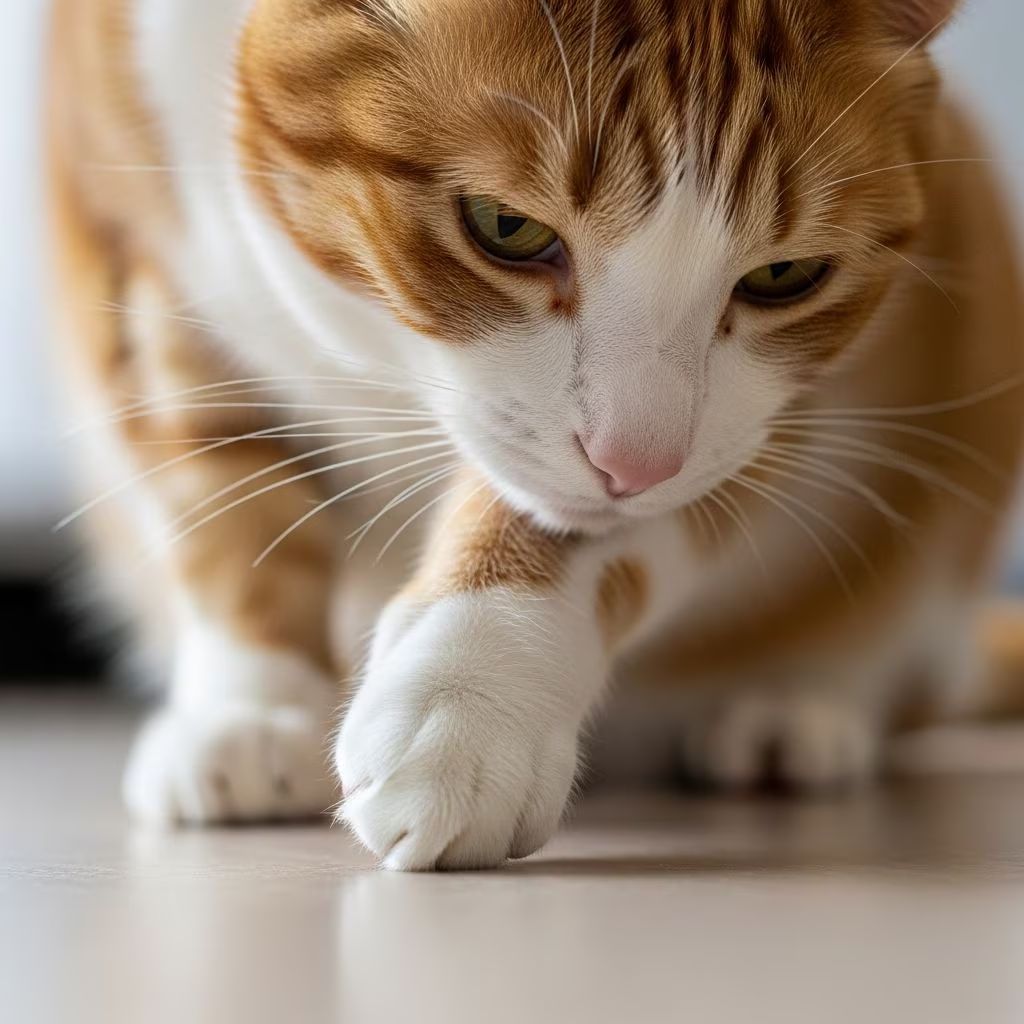
Understanding Cat Limping: A Guide for Pet Owners
Watching your beloved cat limp can be concerning for any pet owner. Limping in cats is a sign that something is causing them pain or discomfort, and it’s essential to understand what might be happening and when professional veterinary care is necessary. Whether your cat is favoring a front or back leg, the underlying causes can range from minor issues that resolve with rest to more serious conditions requiring medical intervention. This comprehensive guide will help you identify potential causes, understand treatment options, and know when to contact your veterinarian.
Common Causes of Cat Limping
Cat limping can develop suddenly or gradually, depending on the underlying cause. Understanding the most frequent reasons why cats limp is the first step toward helping your feline friend feel better.
Foreign Objects and Paw Problems
One of the most common reasons cats limp is the presence of a foreign object embedded in their paw or between the toe pads. Cats frequently step on thorns, splinters, small rocks, or debris while exploring outdoors. Additionally, ingrown claws or overgrown toenails can cause discomfort and alter your cat’s gait. A torn or infected toenail is another frequent culprit, as is a simple cut or wound on the paw pad. Many cases of sudden limping are resolved simply by carefully examining the paw and removing the offending object or trimming the nail.
Injuries and Trauma
Sprains, fractures, and other traumatic injuries represent a significant category of limping causes. These injuries can result from falls, being struck by a car, or landing awkwardly during play. A sprain involves stretching or tearing of the ligaments that connect bones, while a fracture is an actual break in the bone itself. Wounds from these injuries can involve cuts, punctures, or abrasions to the limbs. Additionally, exposure to extreme temperatures—such as walking across a hot stove, hot pavement, or hot gravel—can cause burns to the paw pads and subsequent limping.
Infections and Abscesses
Infections, both bacterial and fungal, can lead to limping through direct infection of the limbs or by causing systemic illness that affects the joints or bones. A puncture wound on a paw, for instance, can introduce bacteria deep into the tissue, leading to painful swelling and limping. An abscess—a localized collection of pus—can develop from infected puncture wounds or bites and causes significant pain and swelling. Fungal infections like cryptococcosis can affect multiple body systems, including the musculoskeletal system, and result in lameness. Infections can become serious if left untreated, potentially affecting your cat’s overall health.
Animal Bites and Bug Bites
Being bitten by another animal or even an insect can cause your cat to limp, particularly if the bite becomes infected. Puncture wounds from bites are especially prone to infection because they introduce bacteria deep into the tissue. Even seemingly minor bite wounds should be monitored closely, as they can develop into serious infections if not treated properly.
Joint Diseases and Arthritis
Osteoarthritis is one of the leading causes of pain and discomfort in cats, particularly in older animals. This chronic condition involves the gradual degeneration of joint cartilage, leading to pain and stiffness. Many cat owners mistakenly attribute the decreased activity associated with arthritis to normal aging rather than pain requiring treatment. Early signs might include subtle changes in how a cat jumps or climbs, progressing to more obvious limping as the disease advances. The good news is that modern arthritis management includes multiple treatment options to help manage discomfort and maintain quality of life.
Congenital Abnormalities
Some cats are born with anatomical anomalies that can lead to limping. Hip dysplasia, where the hip joint doesn’t form correctly, and patellar luxation, where the kneecap frequently slips out of place, are examples of congenital conditions. These issues are often diagnosed early but might not cause noticeable limping until the cat matures and more stress is placed on the joints.
Tumors and Growths
While less common, tumors affecting the legs’ bones, joints, or soft tissues can cause limping. These may be benign, such as lipomas, or malignant, such as osteosarcoma, with the latter being particularly aggressive and painful. A tumor’s presence can alter the affected limb’s structure or function, leading to noticeable lameness or changes in gait. Early detection through regular veterinary check-ups is crucial for managing these conditions effectively.
Other Causes
Additional causes of limping include overworked, strained, or torn muscles, autoimmune or inflammatory diseases, and abnormal development, particularly in younger animals. The diversity of potential causes underscores the importance of professional veterinary evaluation.
When to Seek Veterinary Care
While some cases of limping resolve with simple home care, it’s crucial to know when professional veterinary attention is necessary. If your cat’s limping persists for more than 24 hours, seek veterinary care immediately. Additionally, contact your veterinarian if your cat appears to be in severe pain, cannot bear weight on the affected limb, has visible swelling or deformity, or shows signs of infection such as discharge or excessive swelling. Any limping accompanied by behavioral changes, loss of appetite, or fever warrants prompt veterinary evaluation.
Veterinary Diagnosis
Your veterinarian will perform a thorough examination to determine the cause of your cat’s limping. This process typically includes:
- Physical examination of the affected limb, including careful palpation to identify pain, swelling, or structural abnormalities
- Assessment of your cat’s gait and movement patterns
- Discussion of when you noticed the symptoms and how they may have changed, including both physical and behavioral signs
- Information about any accidents that may have happened before the limping started
- Your cat’s medical history, including any medications they are currently taking
- Information about your cat’s typical diet and activity level
- Imaging studies such as X-rays or ultrasound to identify fractures, dislocations, or other structural issues
- Blood work or other diagnostic tests if infection or systemic illness is suspected
This comprehensive approach helps your veterinarian accurately diagnose the underlying cause and develop an effective treatment plan.
Treatment Options for Cat Limping
Treatment for limping in cats varies based on the underlying cause and your cat’s overall health condition. Modern veterinary medicine offers several effective approaches to managing feline lameness.
Medications
Anti-inflammatory and pain relief medications are commonly prescribed to reduce inflammation and alleviate pain. Nonsteroidal anti-inflammatory drugs (NSAIDs) such as meloxicam (Metacam®) and robenacoxib (Onsior®) relieve pain and inflammation in acute injuries and can be used long-term for cats with chronic arthritis. Broad-spectrum antibiotics such as Clavamox or Convenia are used to treat bacterial infections, while antifungals may be administered in cases of fungal infection. Oral steroids (prednisone/prednisolone) may be used to reduce inflammation or suppress the immune system in certain conditions.
For arthritis management specifically, exciting new treatment options have emerged. A highly effective monoclonal antibody treatment is now available for managing arthritis discomfort in cats, offering an alternative to traditional pain medications. Additionally, nutritional supplements like omega-3 fatty acids, glucosamine, and chondroitin sulfate can support joint health and reduce symptoms.
Surgery
For severe injuries or chronic conditions, surgery may be necessary to repair or correct the issue. Surgical interventions can range from minimally invasive procedures to more extensive surgeries depending on the condition. Surgery may be recommended for complex fractures, severe arthritis, congenital deformities, wounds requiring repair, or tumors requiring removal.
Physical Therapy and Rehabilitation
Physical therapy includes exercises and treatments that help maintain or improve mobility and strengthen muscles around the affected area. Techniques such as massage, hydrotherapy, or specific movements can effectively restore function and reduce the risk of future injuries. Cold laser treatments and acupuncture are complementary therapies that some veterinarians offer to support pain management and healing.
Rest and Activity Restriction
For minor injuries and acute conditions, simple rest and activity restriction are often effective first-line treatments. Confine lame cats and restrict their activity to allow healing to occur. This might include keeping your cat indoors, minimizing play, and encouraging rest. Home care for minor causes may be sufficient, including preventing the cat from jumping or running and, if applicable, from licking the wound, combined with regular monitoring for any changes.
Home Care for Minor Issues
For certain conditions like abscesses, you can apply warm compresses to the affected area or soak in a warm Epsom salt bath. Flowing water improves circulation, reduces swelling, and promotes healing. If your cat will tolerate it, place her in a tub and swirl water around the leg. However, it’s crucial to consult a veterinarian before administering any medications at home.
Home Care and First Aid Tips
If your cat is limping, you can take several steps at home while awaiting veterinary care:
- Gently examine your cat’s toenails, paw pads, feet, and legs to identify any obvious problems like small wounds or overgrown toenails
- Skip this examination if your cat resists—you don’t want to be bitten or scratched
- Keep your cat indoors to prevent further injury
- Minimize play and encourage rest
- Closely monitor the situation to ensure their condition doesn’t worsen and that they continue to eat, drink, and use their litter box normally
- Apply warm compresses if an abscess is present
Understanding Your Cat’s Behavior During Recovery
It’s important to note that a cat limping but still running and jumping might have a minor muscle strain or sprain. This can happen if your cat lands awkwardly from a jump, slips while playing, or engages in strenuous activity. Even if your cat appears to be moving relatively normally, limping indicates pain, and veterinary evaluation is still recommended to rule out serious underlying conditions and prevent complications.
Prevention Strategies
While not all limping can be prevented, several strategies can reduce your cat’s risk of injury:
- Maintain your cat’s nails regularly to prevent overgrowth and ingrown claws
- Keep your cat indoors to reduce exposure to trauma and infections
- Provide appropriate play areas free of hazards
- Monitor your cat’s weight to reduce stress on joints, particularly important for arthritis prevention
- Ensure your cat receives regular veterinary check-ups for early detection of joint disease or other conditions
- Provide environmental enrichment that encourages appropriate activity levels
Frequently Asked Questions
Q: How long should I wait before taking my limping cat to the vet?
A: If limping persists for more than 24 hours, seek veterinary care immediately. Don’t delay if your cat appears to be in severe pain or cannot bear weight on the affected limb.
Q: Can I treat my cat’s limping at home?
A: For minor issues like small cuts or overgrown toenails, careful home examination and basic care may help. However, it’s crucial to consult a veterinarian before giving any medications and to have any persistent limping professionally evaluated.
Q: Is arthritis common in cats?
A: Yes, osteoarthritis is one of the leading causes of pain and discomfort in cats, particularly in older animals. Many owners mistakenly attribute decreased activity to normal aging rather than recognizing it as arthritis-related pain.
Q: What are the new treatment options for feline arthritis?
A: Beyond traditional pain medications, treatment options now include diet changes, supplements, and an exciting new highly effective monoclonal antibody treatment. Your veterinarian can discuss which option is best for your cat.
Q: How can I tell if my cat’s limp is serious?
A: Signs of serious limping include severe pain, inability to bear weight, visible swelling or deformity, signs of infection, or behavioral changes like loss of appetite. Any of these warrant immediate veterinary evaluation.
Q: Should I restrict my cat’s activity if they’re limping?
A: Yes, confining lame cats and restricting their activity is important to allow healing to occur. Keep your cat indoors, minimize play, and encourage rest while awaiting or during veterinary treatment.
References
- Cat Limping: Possible Causes, Treatment & First Aid — UrgentVet. 2024. https://urgentvet.com/cat-limping-causes-treatment-first-aid/
- Cat Limping: Causes and Treatment — Back Bay Veterinary Clinic. 2024. https://www.backbayvet.com/blog/cat-limping-causes-and-treatments
- Why Is My Cat Limping? Causes, Treatment, and How To Prevent It — PetMD. 2024. https://www.petmd.com/cat/symptoms/why-my-cat-limping
- Cat Limping: When To See The Vet — All Bay Animal Hospital. 2024. https://www.allbayanimalhospital.com/site/blog/2024/01/15/cat-limping
- First Aid for Limping Cats — VCA Animal Hospitals. 2024. https://vcahospitals.com/know-your-pet/first-aid-for-limping-cats
- My Cat Is Limping but Still Running & Jumping. Should I Be Concerned? — Mills Animal Hospital. 2024. https://millsanimalhospital.com/blog/cat-limping-but-still-jumping/



