

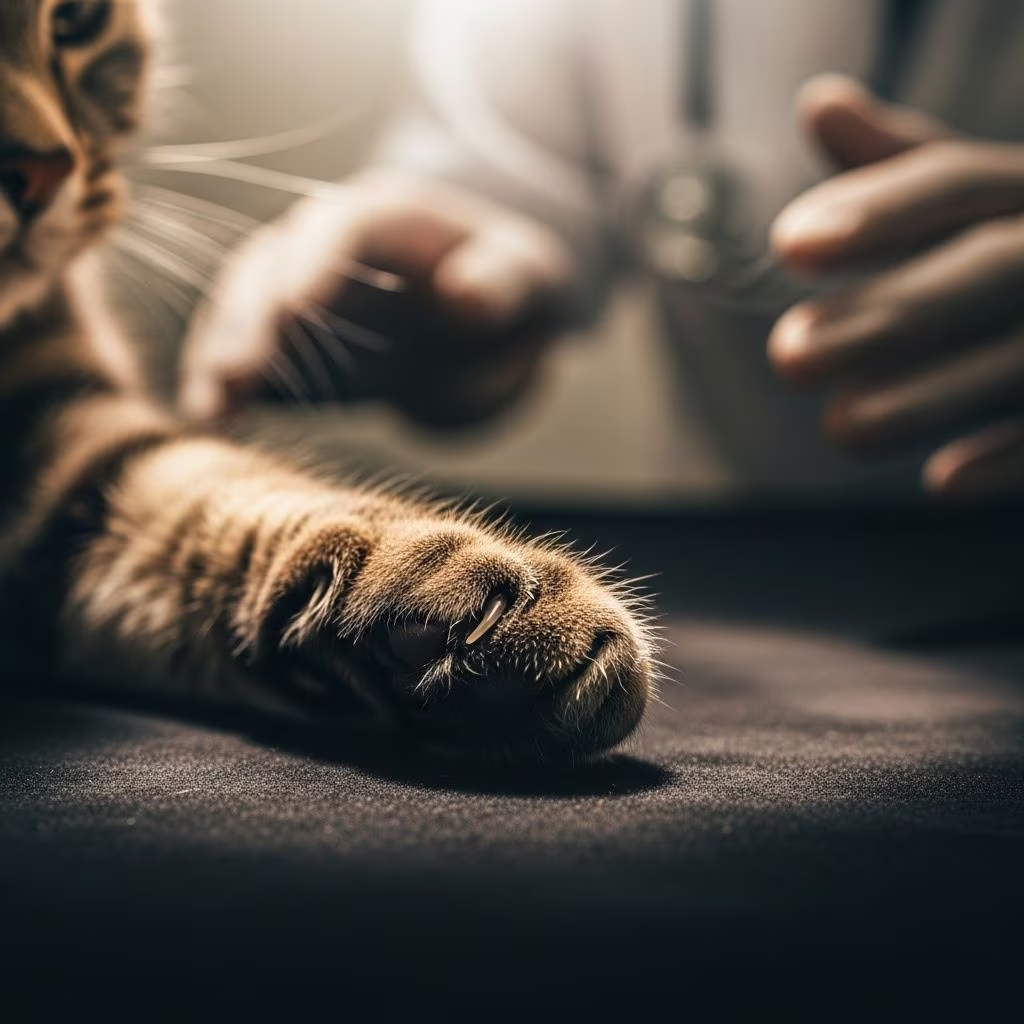
When your beloved feline companion suddenly favors one leg or displays an unusual gait, it can be concerning for any pet owner. Limping in cats warrants immediate attention, as it serves as a physical indicator that something is causing discomfort or pain. Whether your cat is limping on a front or back leg, understanding the potential causes and appropriate responses can help you provide the best care for your pet’s wellbeing.
Recognizing the Signs: How to Identify Cat Limping
Cat limping manifests in various ways depending on the underlying issue. Your cat may refuse to place weight on the affected limb, walk with an altered gait, or exhibit reluctance to jump or climb stairs. Some cats may lick excessively at the problem area or hold their leg in an unusual position. Identifying these signs early is crucial for prompt intervention and preventing complications.
The severity of limping can range from mild hesitation when walking to complete inability to bear weight on the injured leg. Cats are naturally stoic animals, meaning they often hide pain effectively. Therefore, even subtle changes in movement or activity levels should not be ignored, as they may indicate underlying issues requiring veterinary evaluation.
Common Minor Causes of Feline Limping
Many cases of cat limping stem from minor, easily manageable conditions. Understanding these common causes can help you determine whether home care might suffice or if veterinary attention is necessary.
Paw and Nail Issues
Foreign objects embedded in paws rank among the most frequent culprits behind cat limping. Cats exploring their environment may step on thorns, splinters, glass fragments, or other sharp materials that become lodged between their toes or in the paw pads. When you notice your cat limping, a careful examination of the affected paw may reveal the problematic object that caused the limp.
Nail problems also commonly trigger limping behavior. Ingrown or overgrown claws can curl into the paw pad, causing pain with each step. Additionally, torn or infected nails create significant discomfort. Some cats develop abscesses around damaged nails, leading to swelling, redness, and warmth around the affected area.
Minor Wounds and Infections
Cuts, scrapes, and small wounds sustained during outdoor adventures or indoor play can cause temporary limping. These minor injuries often resolve with basic home care. However, any wound carries the risk of infection, which is why monitoring the affected area remains essential. Early signs of infection include increased swelling, discharge, or foul odor emanating from the wound.
Thermal Injuries
Cats may inadvertently contact hot surfaces such as stovetops, hot gravel, or sun-heated pavement, resulting in burn injuries to their sensitive paw pads. These thermal burns cause immediate pain and limping. The severity depends on the temperature and duration of contact.
Serious Underlying Conditions Associated with Limping
While minor issues account for many cases of cat limping, more serious medical conditions can also manifest through altered gait and mobility problems. These conditions typically require professional veterinary intervention.
Musculoskeletal Injuries and Disorders
Sprains and strains occur when cats land awkwardly from jumps, slip during play, or experience minor trauma. Unlike fractures, these soft tissue injuries allow cats to still walk on the affected leg, though they typically avoid placing full weight on it.
Fractures and dislocations represent more severe injuries. Cats may suffer broken bones or dislocated joints from falls, being struck by vehicles, or high-impact accidents. Most cats will completely refuse to walk on a broken leg or dislocated joint, making these injuries obvious emergencies requiring immediate veterinary care.
Patellar luxation, a condition where the kneecap becomes displaced from its normal position, causes intermittent or constant limping depending on severity. This orthopedic issue occurs more frequently in certain cat breeds and may require surgical correction.
Arthritis and Joint Degeneration
Osteoarthritis represents one of the leading causes of limping in aging cats. Many cat owners mistakenly attribute decreased activity and stiffness to normal aging rather than recognizing these signs as indicators of joint pain. As cats age, cartilage within joints deteriorates, causing inflammation and discomfort that becomes apparent through limping, reluctance to jump, or difficulty climbing stairs.
The good news is that modern veterinary medicine offers multiple treatment options for feline arthritis. These range from dietary modifications and nutritional supplements to prescription pain medications and innovative monoclonal antibody treatments specifically designed to manage arthritis discomfort in cats.
Systemic and Cardiovascular Conditions
Surprisingly, limping—particularly affecting the hind legs—can indicate serious systemic diseases. Hypertrophic cardiomyopathy, a heart condition causing thickening of the heart muscle, can lead to blood clots that cut off circulation to the hind legs, a condition called feline aortic thromboembolism. Cats experiencing this emergency may suddenly lose the ability to use their back legs and experience extreme pain.
Neurological Issues
Older cats, particularly those nine years or older, may develop neurological conditions affecting mobility. Strokes or intervertebral disc disease (IVDD), wherein the cushioning discs between spine vertebrae harden and compress nerve tissue, can cause limping and loss of normal movement. These conditions require specialized veterinary diagnosis and ongoing management.
When Limping Constitutes a Veterinary Emergency
Certain situations demand immediate professional veterinary attention. Understanding these emergency indicators helps you respond appropriately to protect your cat’s health.
- The affected leg hangs at an abnormal angle, or your cat refuses to place any weight on it
- Open wounds, bleeding, or visible bone fragments are present
- Your cat displays signs of severe pain such as extreme vocalization or aggression when touched
- Limping persists longer than 24 hours
- Your cat suddenly loses function in both hind legs, which may indicate cardiovascular emergency
- The affected area shows signs of severe infection such as drainage, foul odor, or spreading redness
Initial Assessment: What You Can Do at Home
Before scheduling a veterinary appointment for non-emergency limping, you may perform some basic assessments to gather information that will aid your veterinarian’s diagnosis.
Safe Paw Examination
If your cat remains calm and allows handling, gently examine the affected paw pad, toenails, and lower leg. Look for embedded objects, signs of infection, excessive redness, or swelling. However, discontinue the examination immediately if your cat shows signs of pain such as flinching, meowing, hissing, or attempting to bite or scratch. Never force a painful examination on your cat, as this creates negative associations with handling and may cause additional stress.
Activity Restriction and Observation
Confine your limping cat indoors and discourage jumping, running, and vigorous play. Minimize activity to allow any minor soft tissue injuries time to heal. Keep the cat calm and observe whether the limp improves over the following 24 hours. Continue monitoring your cat’s eating, drinking, and litter box habits, as changes in these patterns may indicate more serious underlying conditions.
Paw Care Measures
If you identify an embedded object such as a thorn or small splinter, carefully remove it using clean tweezers. If a foreign object cannot be easily removed or if the area shows signs of infection, professional veterinary removal is safer. For minor wounds, gentle cleaning with warm water may be appropriate, but avoid applying human medications without veterinary approval.
Professional Veterinary Treatment Options
Your veterinarian has numerous diagnostic tools and treatment approaches to address cat limping across the spectrum of potential causes.
Diagnostic Procedures
Veterinary diagnosis typically begins with thorough physical examination followed by imaging studies such as X-rays to evaluate bone and joint structure. Blood tests may reveal infections or systemic diseases contributing to limping. For complex cases, advanced imaging such as ultrasound or CT scanning may be recommended to visualize soft tissue damage or internal injuries.
Pharmaceutical Treatments
Treatment protocols depend entirely on the underlying diagnosis. For bacterial infections, broad-spectrum antibiotics such as Clavamox or Convenia are commonly prescribed. Pain management may involve nonsteroidal anti-inflammatory drugs (NSAIDs) like Meloxicam or Onsior, or oral steroids such as prednisone in cases of inflammatory or autoimmune conditions.
Surgical Interventions
Fractures, ligament injuries, and some orthopedic conditions require surgical stabilization or repair. Tumor removal surgery may be necessary if cancer is identified as the limping cause. Surgical intervention aims to restore normal function and eliminate pain sources.
Supportive and Complementary Therapies
Beyond conventional treatments, veterinarians increasingly recommend supportive therapies. Nutritional supplements containing glucosamine, chondroitin sulfate, and omega-3 fatty acids support joint health and reduce inflammation. Complementary treatments including acupuncture, cold laser therapy, and CBD products show promise in managing chronic pain associated with arthritis and other conditions.
For arthritis specifically, newer monoclonal antibody treatments represent exciting advances in feline pain management, offering highly effective relief for cats that do not respond adequately to traditional medications.
Long-Term Management and Prevention
Once your veterinarian identifies the cause of limping and initiates treatment, ongoing care may involve lifestyle modifications to prevent recurrence or progression.
Weight management reduces stress on joints, making it particularly important for cats with arthritis or orthopedic issues. Environmental modifications such as providing ramps, lower-height furniture, and easily accessible litter boxes help cats with mobility challenges navigate their homes comfortably.
Regular monitoring of your cat’s mobility and response to treatment helps catch complications early. Report any changes in effectiveness of medications or emergence of new symptoms to your veterinarian promptly.
Frequently Asked Questions About Cat Limping
Should I be concerned if my cat limps but continues normal activities?
A cat that limps but continues jumping and running may have a minor muscle strain or soft tissue injury. However, any limping lasting beyond 24 hours warrants veterinary evaluation to rule out underlying conditions that could worsen if left untreated.
Can I give my cat pain medication without veterinary approval?
Never administer human pain medications or medications prescribed for other animals to your cat. Many common pain relievers are toxic to felines. Always consult your veterinarian before giving any medication, including over-the-counter products.
How can I help my cat feel more comfortable while limping?
Restrict activity, provide comfortable resting areas, and apply warm compresses to affected areas if your cat tolerates them. For abscesses specifically, warm Epsom salt soaks or running warm water over the area improves circulation and promotes healing.
Is limping always a sign of serious illness?
No. Many cases of cat limping result from minor, readily treatable conditions such as embedded objects in paws or small wounds. However, since serious conditions can also manifest as limping, professional evaluation is the best approach to determine the cause and appropriate treatment.
Understanding cat limping empowers you to respond appropriately, whether through simple home care or by seeking prompt professional veterinary attention. Your vigilance in monitoring your cat’s health and willingness to address mobility issues promptly can significantly impact your feline companion’s comfort, quality of life, and long-term wellbeing.
References
- Cat Limping: Causes and Treatment — Back Bay Veterinary Clinic. 2024. https://www.backbayvet.com/blog/cat-limping-causes-and-treatments
- Why Is My Cat Limping? Causes, Treatment, and How To Prevent It — PetMD. 2024. https://www.petmd.com/cat/symptoms/why-my-cat-limping
- Cat Limping: Causes, Symptoms & Treatments — River Hills Pet Care. 2024. https://www.rhpch.com/site/blog/2024/03/15/cat-limping
- Cat Limping? Possible Causes and What to Do — Vets of the Rockies. 2024. https://vetsoftherockies.com/education/cat-limping-possible-causes-and-what-to-do/
- First Aid for Limping Cats — VCA Animal Hospitals. 2024. https://vcahospitals.com/know-your-pet/first-aid-for-limping-cats
- Cat Limping – When It’s Time To Head To The Vet — Bloom Plaza Animal Hospital. 2024. https://www.bloomplazaanimalhospital.com/site/blog/2024/01/15/cat-limping
- My Cat Is Limping but Still Running & Jumping. Should I Be Worried? — Mills Animal Hospital. 2024. https://millsanimalhospital.com/blog/cat-limping-but-still-jumping/



