
Cat Limping: Causes And Complete Care Guide
Discover why your cat is limping, from minor injuries to serious conditions, and learn essential steps for home care and vet visits.
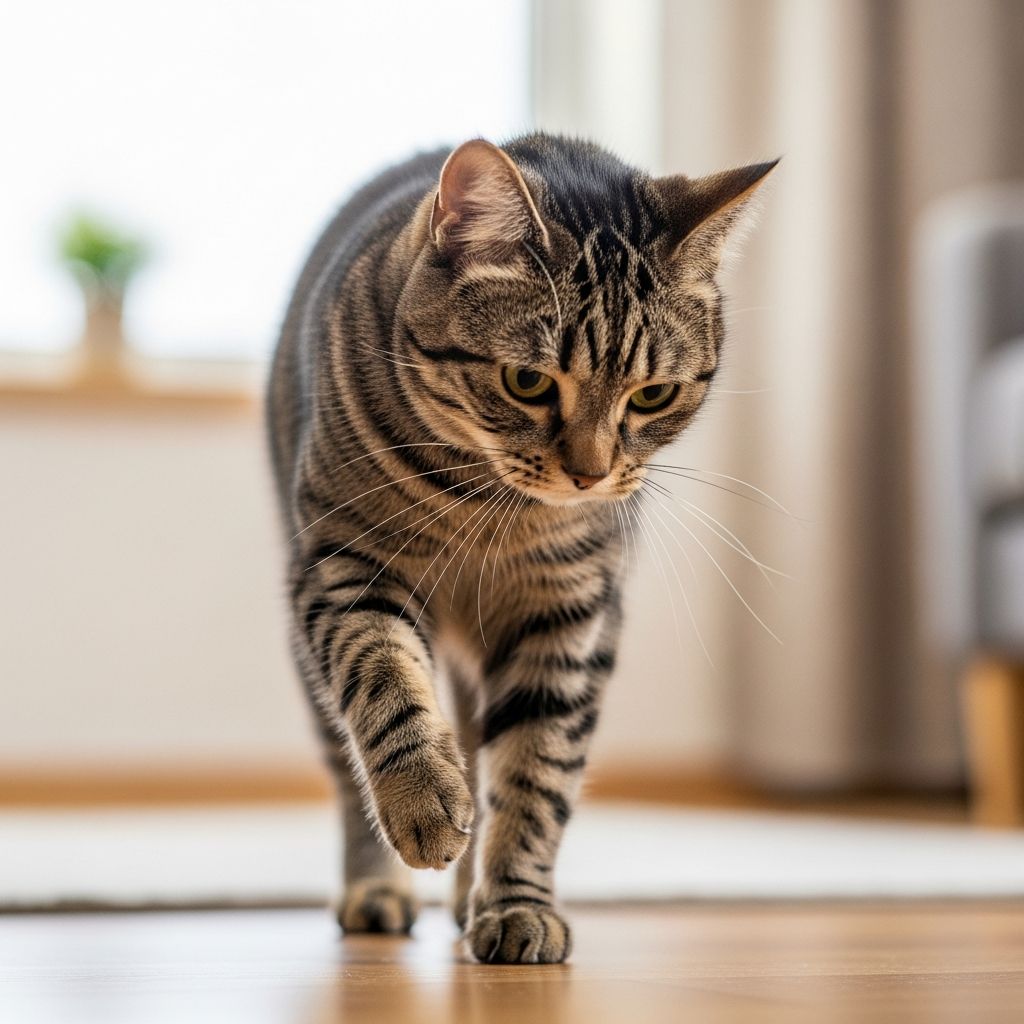
Cat limping, also known as lameness, occurs when a feline’s normal gait is disrupted, making walking, running, or jumping painful or difficult. This issue affects cats of all ages and stems from various sources like trauma or chronic diseases, requiring owners to assess severity promptly.
Recognizing Signs of Limping in Cats
Owners might notice subtle changes since cats instinctively mask discomfort. Key indicators include favoring one leg, stiffness upon rising, reluctance to jump onto surfaces, excessive grooming of a specific area, vocalizing during movement, or changes in appetite and behavior.
- Acute signs: Sudden onset with swelling, heat, or visible wounds.
- Chronic signs: Gradual development with intermittent hobbling, especially after rest.
- Behavioral clues: Hiding more, aggression when touched, or lethargy.
Distinguish limping from ataxia, a neurological imbalance causing wobbly, uncoordinated steps rather than a patterned limp.
Primary Causes of Feline Lameness
Limping arises from mechanical issues, infections, or systemic problems. Understanding these helps in initial response.
Trauma-Related Injuries
Falls, fights, or accidents often lead to sprains, fractures, dislocations, or soft tissue damage. Embedded objects like thorns in paw pads or torn nails are frequent culprits.
- Sprains/strains from overexertion.
- Fractures or dislocations needing immobilization.
- Bites/abscesses from altercations, causing pus-filled swellings.
Joint and Bone Disorders
Arthritis, particularly osteoarthritis, is prevalent in seniors, eroding cartilage and causing stiffness. Patellar luxation, where the kneecap slips, affects younger cats with genetic predispositions.
| Condition | Age Group | Symptoms |
|---|---|---|
| Osteoarthritis | Senior | Stiffness, worse after inactivity |
| Patellar Luxation | Young/Adult | Intermittent skipping |
| Hip Dysplasia | Any | Hindlimb weakness |
Infections and Inflammatory Issues
Bacterial invasions from wounds, viral like calicivirus, or fungal infections inflame joints or bones. Autoimmune polyarthritis triggers multi-limb swelling.
Other Factors
Less common: tumors, metabolic diseases (e.g., diabetes), poor nutrition leading to weak bones, or neurological spinal injuries.
Assessing Your Cat’s Limp at Home
Observe without forcing handling to avoid bites. Note which limb, pain level (acute/chronic), swelling, and triggers like exercise.
- Check paws for cuts, debris, or overgrown nails.
- Gently palpate legs for heat or crepitus (grinding).
- Monitor for 24-48 hours if minor; no improvement warrants professional help.
Red flags for emergency: Non-weight-bearing, multiple limbs, fever, or pus.
Diagnostic Methods Used by Veterinarians
Vets start with history and exam, progressing to imaging.
- Physical orthopedic/neurologic tests.
- X-rays for fractures, arthritis, tumors.
- Bloodwork for infections, inflammation.
- Advanced: Ultrasound, CT, joint fluid analysis.
Treatment Strategies for Limping Cats
Plans target the root cause, emphasizing pain relief and mobility restoration.
Home Care for Mild Cases
Clean minor wounds with saline, apply cold packs (10 mins), restrict activity, and use pet-safe elevation.
- Avoid human NSAIDs—toxic to cats.
- Monitor healing; switch to warm compresses after 48 hours.
Veterinary Interventions
Medications: Vet-prescribed NSAIDs (e.g., meloxicam), antibiotics (Clavamox), steroids for inflammation.
Surgical Options: Pins for fractures, ligament repairs, tumor removal.
Rehabilitation: Physical therapy, laser, acupuncture, chiropractic for chronic cases.
Supplements: Glucosamine, omega-3s, chondroitin for joint health.
| Treatment Type | Examples | Best For |
|---|---|---|
| Conservative | Rest, meds, splints | Sprains, mild arthritis |
| Surgical | Fracture repair, luxation fix | Breaks, severe instability |
| Therapy | Laser, PT, acupuncture | Chronic pain, recovery |
Preventing Lameness in Your Feline Companion
Proactive steps reduce risks.
- Keep indoors to avoid fights/vehicles.
- Maintain ideal weight via diet/exercise.
- Regular vet checkups for early arthritis detection.
- Joint supplements for aging cats.
- Groom nails routinely.
FAQs on Cat Limping
How long should I wait before taking my limping cat to the vet?
If no obvious minor injury resolves in 2-3 days, or if severe pain/swelling, seek care immediately.
Can arthritis cause limping in young cats?
Rarely; more common in seniors, but congenital issues mimic it.
Is limping always painful?
Often yes, but neurological causes may not involve pain.
What home remedies are safe?
Cleaning, rest, ice; never meds without vet approval.
Can overweight cats develop lameness?
Yes, extra strain accelerates joint wear.
Long-Term Management for Chronic Lameness
For persistent cases like arthritis, combine weight control, low-impact play, environmental mods (ramps, soft bedding), and ongoing therapies. Owners report improved quality of life with consistent regimens.
Monitoring progress post-treatment involves tracking gait, activity, and pain scores. Adjust as needed with vet input.
References
- Limping (Lameness) in Cats – Causes, Treatment — Vetster. 2023. https://vetster.com/en/symptoms/cat/limping-lameness-in-cats
- Lameness & Limping in Pets — Caring Hands Veterinary Clinic. 2024. https://www.caringhandsvetclinic.com/lameness-a-limping-in-pets
- Feline Lameness — MPAH Vets (Athena Eberle, DVM). 2023. https://mpahvets.com/blog/feline-lameness/
- Why Is My Cat Limping? Causes, Treatment — PetMD. 2024. https://www.petmd.com/cat/symptoms/why-my-cat-limping
- Lameness in Cats – Symptoms, Causes, Diagnosis — WagWalking. 2023. https://wagwalking.com/cat/condition/lameness
- Why Is My Cat or Dog Limping? Common Causes — Ridgeline Vet Clinic. 2024. https://www.ridgelinevetclinic.com/blog/why-is-my-cat-or-dog-limping-common-causes-and-when-to-call-the-vet
- Lameness in Cats – Cat Owners — Merck Veterinary Manual. 2023. https://www.merckvetmanual.com/cat-owners/bone-joint-and-muscle-disorders-of-cats/lameness-in-cats
Similar Articles








Read full bio of Sneha Tete




