

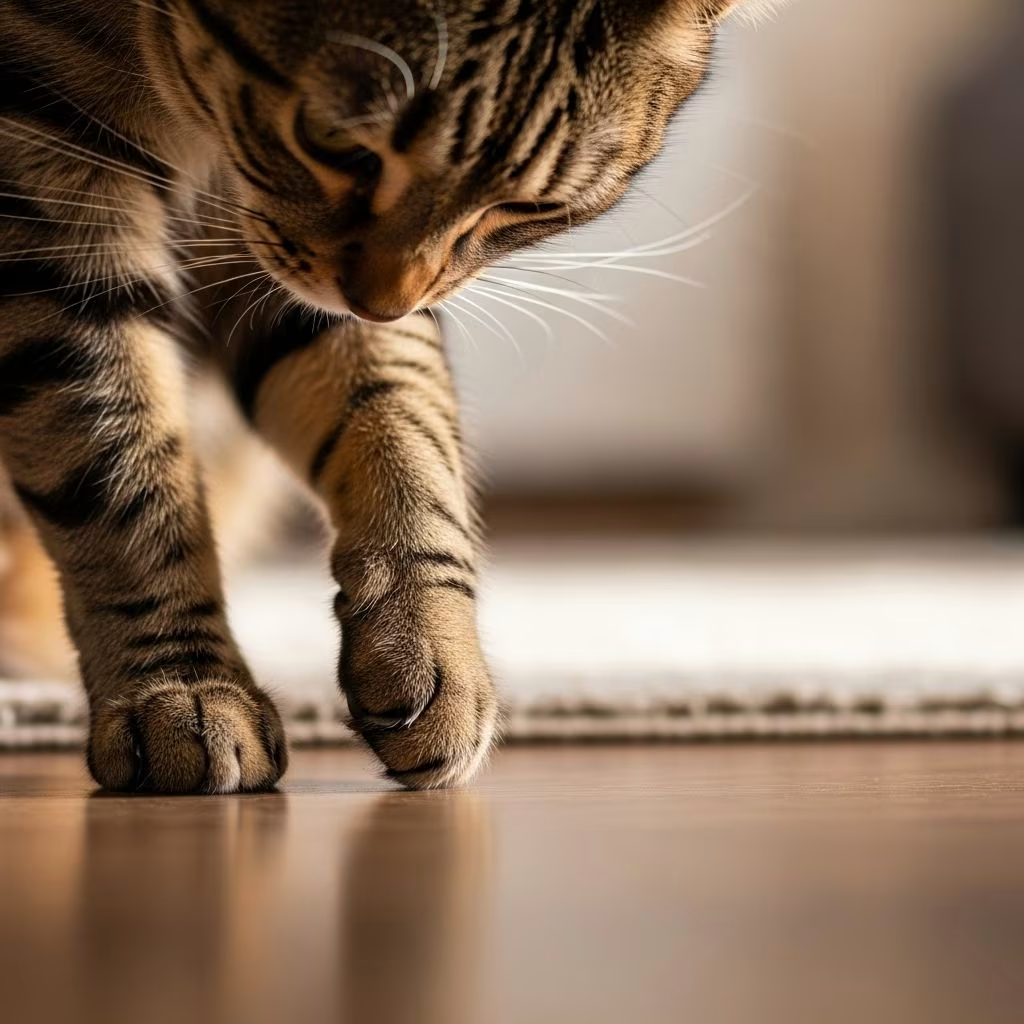
Your cat’s sudden limp can be alarming, but understanding the potential causes—from minor paw injuries to serious joint diseases—helps you act swiftly. This guide covers everything from first aid to when emergency vet care is needed, ensuring your feline friend’s comfort and recovery.
What Does Limping in Cats Look Like?
Limping, or lameness, occurs when a cat favors one leg over others, often holding it up, shortening strides, or avoiding weight-bearing. It may affect front or hind legs and range from subtle hesitancy in jumping to obvious hobbling. Cats are masters at hiding pain, so early signs include reduced activity, reluctance to climb stairs, or grooming changes.
- Mild limping: Slight favoring of a leg, still jumping but cautiously.
- Moderate limping: Obvious uneven gait, avoiding full weight on the limb.
- Severe limping: Dragging the leg, crying out, or complete refusal to use it.
Observe if the limp worsens with activity or improves with rest, as this informs the underlying issue.
Common Causes of Cat Limping
Cat limping stems from trauma, infections, chronic conditions, or congenital issues. Identifying the cause requires examining the leg and considering your cat’s history.
Injuries and Trauma
Injuries top the list of limping causes, including sprains (ligament tears), fractures (bone breaks), wounds, cuts, punctures, or abrasions on paw pads. Cats often sustain these from falls, fights, or jumping mishaps. A sprained leg causes swelling and pain, while fractures may show deformity or grinding sounds.
- Something stuck in paw (thorn, glass shard).
- Hot surface burns (pavement, stove).
- Bites from insects or animals leading to abscesses.
Paw and Nail Problems
Foreign objects embedded between toes or in paw pads are frequent culprits. Overgrown, ingrown, torn, or infected nails cause sharp pain, prompting limping. Frostbite in cold climates affects pads, turning them pale or blackened.
Infections and Abscesses
Bacterial infections from punctures or fight bites form abscesses—pus-filled swellings that burst or press on nerves, causing lameness. Fungal infections like cryptococcosis impact joints or bones systemically.
Arthritis and Joint Diseases
Osteoarthritis, common in older cats, degenerates joint cartilage, leading to stiffness, pain, and limping. It starts subtly (less jumping) but progresses. Younger cats may suffer from immune-mediated arthritis.
Congenital Abnormalities
Born defects like hip dysplasia (malformed hip joint) or patellar luxation (kneecap slippage) cause lifelong limping, worsening with age or weight gain.
Tumors and Cancer
Bone tumors (osteosarcoma) or soft tissue masses alter limb structure, causing progressive lameness. Benign lipomas are less aggressive but still painful.
Neurological Issues
Nerve damage from trauma or conditions like feline ischemic encephalopathy leads to weakness or dragging limbs.
How to Check Your Cat’s Limping Leg at Home
Gently examine without forcing—cats scratch when pained. Isolate in a quiet room, then:
- Observe gait from multiple angles.
- Feel paws for foreign objects, heat, swelling, or cuts.
- Check nails for overgrowth or tears.
- Palpate legs gently for fractures (creptus sound) or heat.
- Assess joints for fluid or pain response.
Skip if aggressive; note swelling, wounds, or odor for your vet.
| Symptom | Possible Cause | Urgency |
|---|---|---|
| Swelling, heat, pus | Infection/abscess | High |
| Deformity, open wound | Fracture/trauma | Emergency |
| Gradual onset, stiffness | Arthritis | Soon |
| Sudden, no visible injury | Sprain/neurological | Moderate |
When to See a Vet for Cat Limping
Not all limps need immediate care, but err on caution. Seek emergency vet if:
- Limp lasts >24-48 hours or worsens.
- Open wound, bleeding, or dragging leg.
- Swelling, fever, lethargy, appetite loss.
- Multiple limbs affected or neurological signs (head tilt).
- Kitten, senior, or pre-existing conditions.
For mild cases improving with rest, monitor 24 hours but consult vet anyway.
Diagnosis: What to Expect at the Vet
Vets start with history: onset, changes, accidents, diet, meds. Physical exam checks gait, palpates limbs. Diagnostics may include:
- X-rays for fractures, arthritis, tumors.
- Bloodwork for infections/systemic issues.
- Joint fluid analysis or ultrasound.
- Biopsy for tumors.
Treatment Options for Limping Cats
Treatment targets the cause:
Medications
NSAIDs (Meloxicam, Onsior) for pain/inflammation; antibiotics (Clavamox, Convenia) for infections; antifungals as needed.
Surgery
For fractures, luxations, tumors, or abscess drainage. Ranges from pinning bones to amputations in severe cancer.
Physical Therapy and Support
Massage, hydrotherapy, exercises strengthen muscles. Bandages/splints stabilize; rest crates prevent jumping.
Arthritis Management
Weight control, joint supplements (glucosamine, omega-3s), diets, monoclonal antibodies, acupuncture, laser therapy.
Home Care Tips
- Confine indoors, limit jumping.
- Clean minor wounds with saline; no human meds.
- Monitor eating, litter use, behavior.
- Provide soft bedding, ramps.
Prevention: Keep Your Cat from Limping
Minimize risks:
- Regular nail trims.
- Supervise outdoor time; indoor-only ideal.
- Weight management, joint-friendly diets for seniors.
- Annual vet exams for early arthritis detection.
- Remove household hazards (sharp objects, hot surfaces).
Frequently Asked Questions (FAQs)
Should I let my limping cat walk on it?
Encourage minimal gentle movement but restrict jumping/running to avoid worsening. Use a carrier for transport.
Can cat limping go away on its own?
Minor sprains may resolve in 1-2 days with rest, but persistent or worsening limps need vet evaluation.
Why is my cat limping but still jumping?
Often a mild sprain or strain; pain tolerance allows activity, but monitor as it could progress.
How much does cat limping treatment cost?
Varies: exam $50-100, X-rays $100-250, meds $20-100, surgery $1,000+.
Is limping always painful for cats?
Yes, it’s a pain response; cats hide it well, so don’t ignore.
Recovery and Prognosis
Most cats recover fully with prompt care. Minor injuries heal in days; arthritis is managed lifelong. Follow-up ensures mobility returns.
References
- Cat Limping: Possible Causes, Treatment & First Aid — UrgentVet. 2023. https://urgentvet.com/cat-limping-causes-treatment-first-aid/
- Cat Limping: Causes and When it’s Time for the Emergency Vet — Veg.com. 2023. https://www.veg.com/post/cat-limping-causes-and-when-it-s-time-for-the-emergency-vet
- Cat Limping: Causes and Treatment — Back Bay Veterinary Clinic. 2023. https://www.backbayvet.com/blog/cat-limping-causes-and-treatments
- Why Is My Cat Limping? Causes, Treatment, and How To Prevent It — PetMD. 2023. https://www.petmd.com/cat/symptoms/why-my-cat-limping
- Cat Limping – When To See The Vet — All Bay Animal Hospital. 2024-01-15. https://www.allbayanimalhospital.com/site/blog/2024/01/15/cat-limping



