

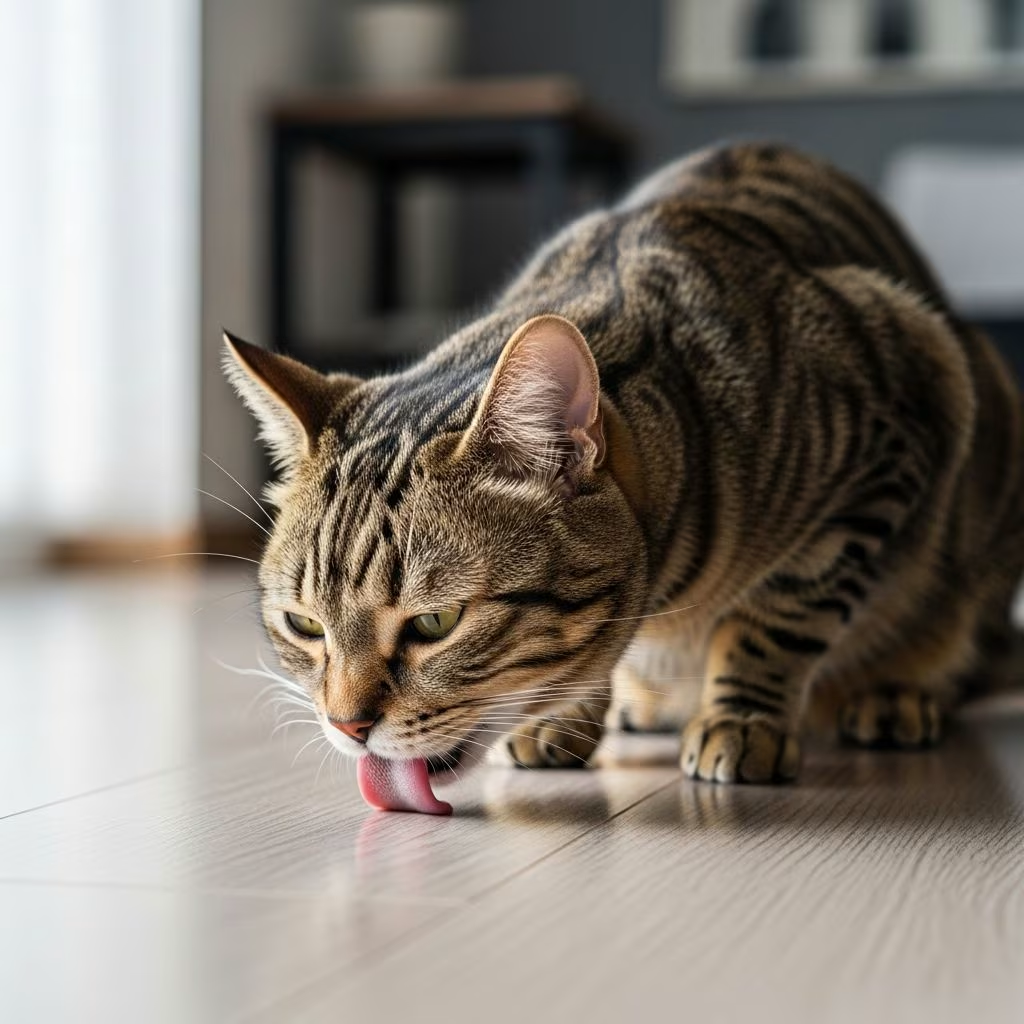
Observing your cat repeatedly licking the floor can be both intriguing and concerning for pet owners. This behavior, while common, often signals underlying needs or issues ranging from simple curiosity to serious health problems. Understanding the triggers helps you respond appropriately, ensuring your cat’s well-being.
Common Triggers Behind Floor-Licking Habits
Cats engage their world through powerful senses of smell and taste. Floors, with their diverse textures and lingering scents, become prime targets for investigation. Below, we break down the primary catalysts for this action.
Residual Food Particles and Scents
Cats possess an extraordinary sense of smell, detecting traces of food invisible to humans even after thorough cleaning. A drop of broth or crumb in the kitchen prompts instinctive licking to savor every bit. This is especially true around feeding areas where previous meals leave aromatic reminders.
- Kitchen floors often attract the most attention due to cooking spills.
- Even pet-safe cleaners may retain faint protein odors appealing to felines.
- Hunger amplifies this; ensure regular, balanced meals to curb excessive searching.
Sensory Exploration of Surfaces
Floor materials vary widely—smooth tiles, cool concrete, or polished wood each offer unique tactile feedback. Cats use licking to map their environment, combining taste with texture for a fuller sensory experience.
Younger cats or those in new homes exhibit this more frequently as they familiarize themselves with surroundings. It’s generally harmless unless persistent.
Thirst from Unconventional Sources
Cats sometimes prefer moisture droplets on floors over bowl water, drawn to condensation in bathrooms or humidity on balconies. This preference stems from wild instincts favoring running or fresh sources.
Monitor intake; excessive licking here might indicate polydipsia, signaling kidney issues or diabetes. Provide circulating fountains to mimic preferred flows.
Behavioral and Psychological Factors
Beyond physical cues, emotional states heavily influence licking. Cats self-soothe through grooming-like actions, extending this to floors during unease.
Anxiety and Stress Responses
Changes like new pets, moves, or loud noises trigger stress, prompting repetitive licking as comfort. This displaced grooming reduces anxiety by releasing endorphins.
- Identify stressors: Recent household shifts or isolation periods.
- Enrich environment with toys, perches, and playtime to alleviate boredom.
Obsessive Patterns and Compulsions
Some cats develop fixations, licking specific spots ritualistically. This may link to compulsive disorders, treatable via routine adjustments or veterinary guidance.
Medical Conditions Linked to Floor Licking
When licking persists or intensifies, health concerns arise. Prompt veterinary evaluation rules out issues.
Pica: Craving Non-Foods
Pica involves compulsive ingestion of inedibles like carpet fibers or floor debris, often from nutritional gaps, anemia, or genetics. Floor licking precedes eating attempts.
| Symptom | Possible Cause | Action |
|---|---|---|
| Targeted licking then chewing | Nutrient deficiency | Diet review by vet |
| Multiple objects affected | Stress-induced | Behavioral therapy |
| Sudden onset | Anemia/parasites | Blood tests |
Skin Irritations and Allergies
Pruritus, or intense itching from fleas, allergies, or infections, leads cats to lick floors in futile relief. Check for hair loss or redness elsewhere.
Grooming Challenges in Seniors
Aging or obese cats struggle with self-cleaning, redirecting urges to accessible floors. Arthritis limits flexibility, making up to 50% of waking hours devoted to incomplete grooming.
Nutritional Imbalances and Anemia
Deficiencies in iron or calcium drive mineral-seeking from concrete. Cases link to hemolytic anemia, where weakness prompts unusual licking for salts.
Assessing the Severity: Key Questions
Not all floor licking warrants alarm, but patterns matter. Use this checklist:
- Duration: New habit post-changes? Likely stress.
- Location: Specific spots indicate scents; random suggests compulsion.
- Accompaniments: Weight loss, lethargy, or vomiting? Urgent vet trip.
- Frequency: Interfering with eating/sleeping? Medical check needed.
Practical Solutions to Curb the Behavior
Address root causes with targeted strategies.
Environmental Adjustments
Clean rigorously with enzyme-neutralizers to erase scents. Vacuum daily to remove debris. Offer alternatives like lick mats with safe pastes.
Dietary Interventions
Switch to nutrient-dense foods; add supplements if vet-approved. Puzzle feeders prevent boredom eating.
Stress-Reduction Techniques
Incorporate daily play, pheromone diffusers, and safe spaces. Gradual desensitization for anxiety triggers.
Veterinary and Professional Help
Schedule exams for bloodwork, skin scrapes, or fecal tests. Behavioralists aid chronic cases.
Frequently Asked Questions (FAQs)
Is floor licking always a problem?
Occasional licking is normal exploration; obsession signals issues needing attention.
Can diet fix pica?
Often yes, but vet confirmation rules out deeper causes like anemia.
How to stop chemical attraction?
Use pet-safe cleaners; ventilate and restrict access during drying.
Does age factor in?
Seniors lick more due to grooming limits; support mobility.
When is emergency care needed?
If paired with vomiting, diarrhea, or collapse—seek immediate help.
Preventive Measures for Long-Term Health
Proactive care minimizes risks:
- Annual vet checkups catch early deficiencies.
- Balanced rotation of wet/dry foods ensures hydration and nutrition.
- Mental stimulation via toys and interaction wards off boredom.
- Regular flea preventives avoid skin woes.
By observing context and acting swiftly, you transform puzzling licks into resolvable insights, fostering a happier cat.
References
- Why Is My Cat Licking the Floor? 6 Vet-Verified Reasons — Catster. 2023. https://www.catster.com/cat-behavior/why-is-cat-licking-floor/
- Why Is My Cat Licking the Floor? 7 Vet-Approved Reasons — Hepper. 2023. https://articles.hepper.com/why-is-my-cat-licking-the-floor/
- Why Does My Cat Lick Me, Themselves, And Household Objects? — Sheba. 2023. https://www.sheba.com/lifestyle/why-cats-lick-everything
- Our cat licking our balcony floor and hemolytic anemia — Whidev Blog. 2023. https://blog.whidev.com/cat-licking-balcony-floor-anemia/
- Behavioral Pica in Cats — Cornell University College of Veterinary Medicine. 2024-01-15. https://www.vet.cornell.edu/departments-centers-and-institutes/cornell-feline-health-center/health-information/feline-health-topics/behavioral-pica-cats



