

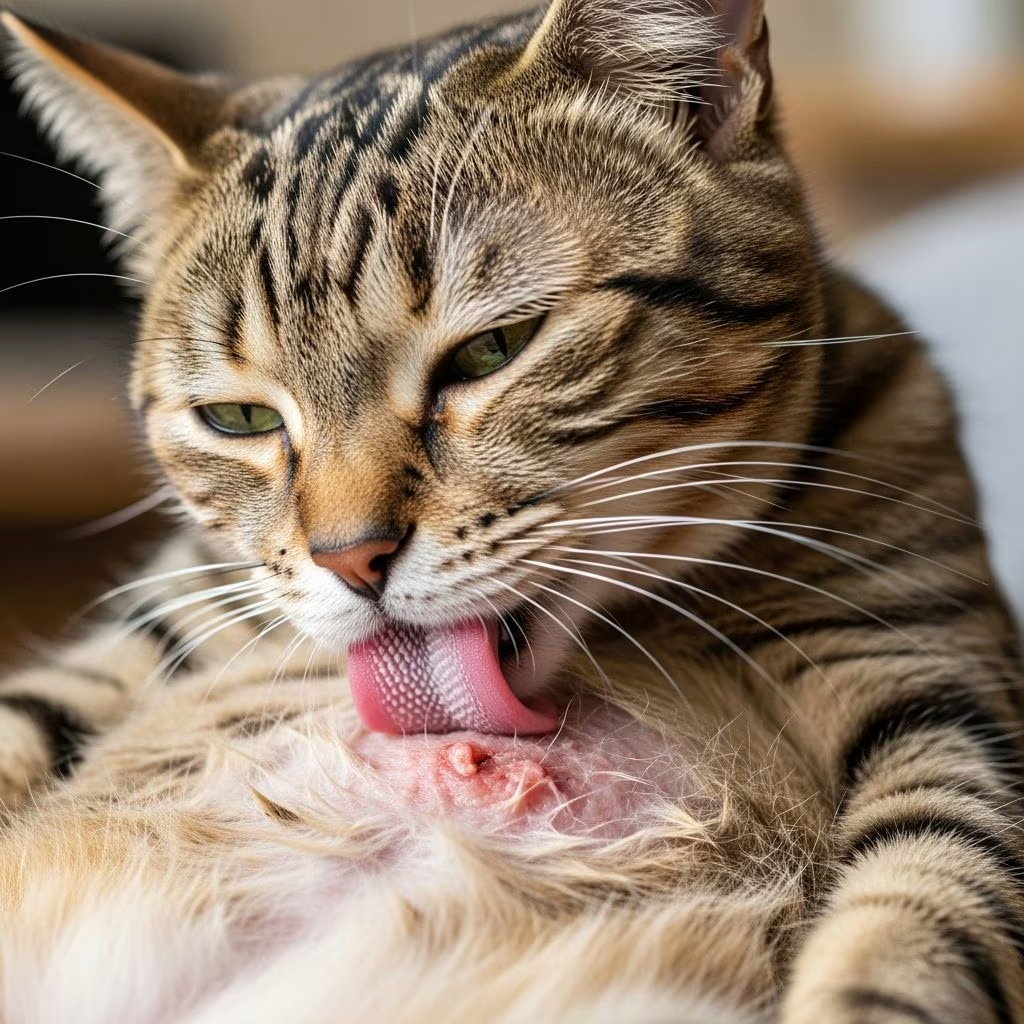
Cats naturally groom themselves several times a day, but when licking targets the belly excessively and leaves the skin raw or bald, it points to an underlying problem. This behavior, known as overgrooming, can stem from medical conditions, environmental irritants, or emotional distress. Prompt identification and intervention prevent secondary issues like infections or hair loss.
Recognizing Normal Grooming vs. Problematic Overgrooming
Healthy cats spend 30-50% of their waking hours grooming to clean fur, distribute oils, and regulate body temperature. Belly licking becomes concerning when it leads to visible damage: red, inflamed skin, bald patches, or sores. Monitor for accompanying signs like restlessness, weight changes, or altered litter box habits.
- Normal grooming: Even strokes across the body, no skin exposure.
- Overgrooming signs: Focused, intense licking on the abdomen; saliva matting fur; self-induced wounds.
Early detection improves outcomes, as untreated overgrooming escalates quickly in felines.
Top Medical Triggers for Belly-Focused Licking
Physical discomfort often drives cats to target the soft underbelly. Veterinary exams, including skin scrapes and bloodwork, pinpoint these issues.
Skin Allergies and Irritants
Allergies top the list, affecting up to 15% of cats. Flea saliva provokes intense itching, even from one bite. Food sensitivities to proteins like beef or fish manifest as belly dermatitis. Environmental allergens—pollen, dust mites—worsen seasonally.
- Atopic dermatitis: Airborne triggers cause widespread itch, but belly skin is thinnest.
- Contact allergies: New bedding or cleaners irritate directly.
Symptoms include scabs, redness, and frantic licking. Hypoallergenic diets and flea preventives resolve many cases.
Parasitic Infestations
Fleas, mites, and lice burrow or bite, sparking itch cycles. Mange mites (Notoedres) create crusty lesions. Tapeworms indirectly cause perianal licking extending to the belly.
| Parasite | Belly Impact | Treatment |
|---|---|---|
| Fleas | Saliva allergy leads to hot spots | Topical/oral preventives |
| Mites | Scaly, itchy patches | Lime-sulfur dips, ivermectin |
| Tapeworms | Anal irritation spreads forward | Praziquantel dewormer |
Infections and Inflammatory Conditions
Bacterial pyoderma or fungal ringworm thrive on compromised skin, perpetuating the lick-itch cycle. Eosinophilic granuloma complex—immune-mediated plaques—often hits the abdomen. Urinary tract infections (UTIs) cause ventral licking due to bladder pain.
Ringworm spreads via spores, mimicking allergies with circular alopecia. Antibiotics, antifungals, or steroids target these.
Systemic Diseases Prompting Excessive Grooming
Internal imbalances manifest externally through grooming changes.
Hormonal Disorders
Hyperthyroidism accelerates metabolism, heightening sensitivity and grooming. Cushing’s disease (rare in cats) elevates cortisol, thinning skin prone to licks.
Pain-Related Overgrooming
Arthritis in hips radiates discomfort to the belly. Pancreatitis or kidney disease induces nausea, prompting air-licking or floor-nibbling alongside abdominal focus. Anal sac issues cause hind-end obsession spilling over.
Cats hide pain, so licking reveals it. Diagnostics like X-rays or ultrasounds confirm.
Psychological Factors Behind Belly Licking
Behavioral overgrooming, or psychogenic alopecia, arises from stress without physical cause. Boredom in indoor cats or household changes—like new pets—triggers self-soothing licks.
- Anxiety cues: Hiding, aggression, dilated pupils.
- Boredom: Lack of play leads to compulsive habits.
Unlike medical cases, fur pulls out in symmetric patches. Pheromone therapy and enrichment help.
Step-by-Step Diagnosis Process
- History review: Note onset, diet changes, flea exposure.
- Physical exam: Skin cytology, flea combing.
- Tests: Blood panel for thyroid/kidney function; allergy trials; fecal analysis.
- Biopsy: For persistent cases, rules out cancer (rare lymphoma).
Vets prioritize reversible causes first.
Treatment Strategies Tailored to Causes
Medical Interventions
Allergies: Elimination diets (8-12 weeks); antihistamines or Apoquel. Parasites: Strict preventives like Revolution. Infections: Topical chlorhexidine washes, oral meds.
Behavioral Management
Enrich environment with puzzle feeders, vertical spaces. Feliway diffusers mimic calming pheromones. Prozac-like meds for severe cases.
Elizabethan collars prevent access temporarily, but address roots.
Preventing Recurrence of Raw Belly Skin
- Yearly flea control, even indoors.
- High-quality, novel-protein diets.
- Stress reduction: Routine, play sessions (15 mins daily).
- Regular vet checkups for seniors.
Monitor skin monthly; early tweaks avert crises.
Home Remedies and Supportive Care
While awaiting vet care:
- Cone collar or soft recovery suit.
- Oatmeal baths soothe itch (vet-approved).
- Hydrocortisone sprays sparingly.
- Distraction toys redirect energy.
Avoid human products; they irritate further.
Frequently Asked Questions (FAQs)
Will my cat’s fur grow back after overgrooming?
Yes, with cause removal and nutrition, regrowth occurs in 4-8 weeks.
Is belly licking always a sign of fleas?
No, but rule out parasites first—cheap, effective check.
Can diet alone fix overgrooming?
Hydrolyzed diets help allergies; combine with vet oversight.
How long before raw skin gets infected?
Days if licking continues; clean promptly.
Does spaying reduce stress licking?
Indirectly, by stabilizing hormones.
References
- Cats that Lick Too Much — Cornell University College of Veterinary Medicine. 2023-05-15. https://www.vet.cornell.edu/departments-centers-and-institutes/cornell-feline-health-center/health-information/feline-health-topics/cats-lick-too-much
- Why Cats Overgroom and How You Can Stop It — PetMD. 2024-08-20. https://www.petmd.com/cat/general-health/how-tell-if-your-cat-over-grooming
- Why Do Cats Lick Themselves, and When Is It a Problem? — GoodRx. 2025-02-10. https://www.goodrx.com/pet-health/cat/why-do-cats-lick-so-much
- Cat Overgrooming: What it Looks Like & How to Stop It — Zoetis Petcare. 2024-11-05. https://www.zoetispetcare.com/blog/article/cat-overgrooming
- Cat Overgrooming: What’s Normal and What Isn’t? — Bond Vet. 2024-07-18. https://bondvet.com/blog/cat-overgrooming



