

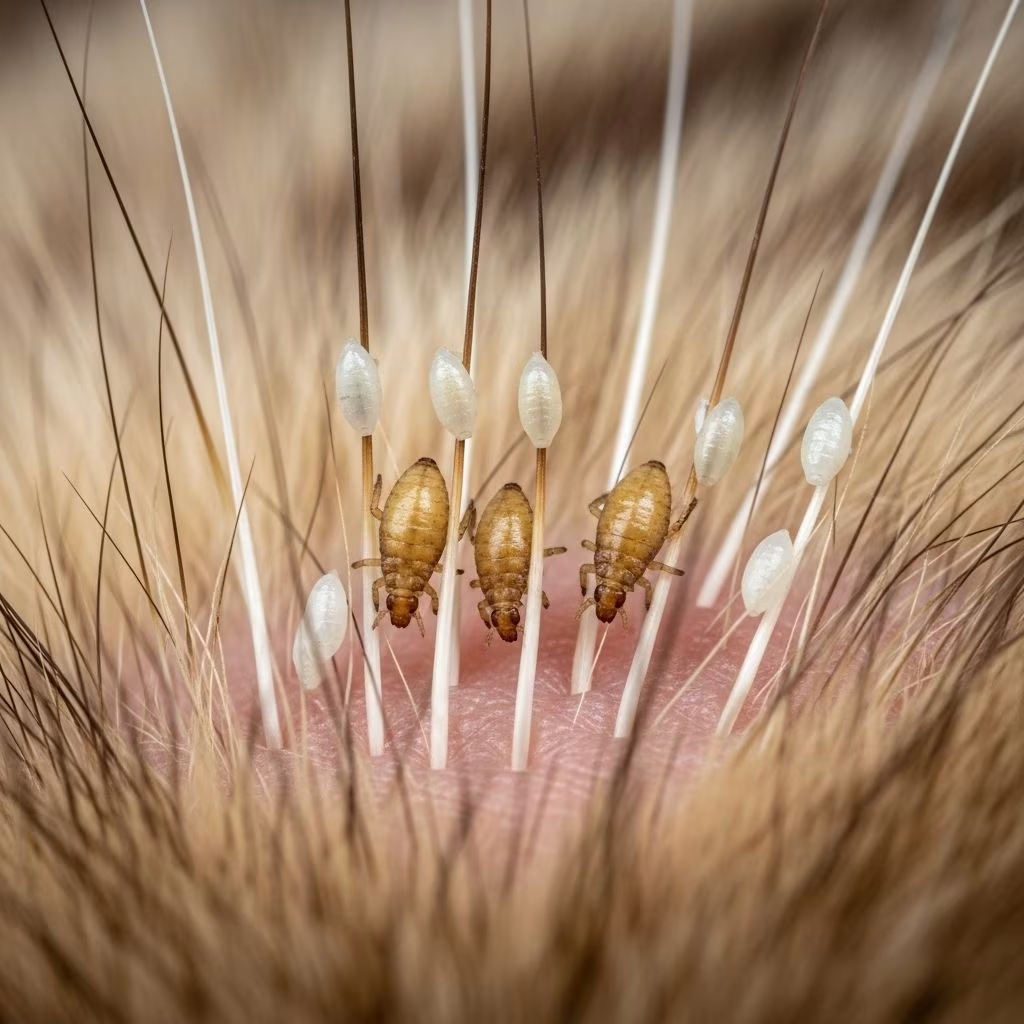
Cat lice, a common external parasite known scientifically as feline pediculosis, can cause significant discomfort for felines through relentless itching and skin irritation. These wingless insects live exclusively on cats, feeding on skin debris and oils rather than blood, leading to symptoms that mimic other conditions like flea infestations.
Understanding the Nature of Cat Lice
Lice on cats belong to two main types: chewing lice (Felicola subrostratus), which nibble on skin flakes, and sucking lice, though the former predominates in felines. Adults measure about 1-2 mm long, appearing as tiny, pale yellow or tan specks with six legs. They attach firmly to hair shafts using claws or mouthparts, often clustering around the head, neck, shoulders, groin, and tail base where moisture is higher.
The lifecycle spans roughly three weeks: eggs (nits) hatch into nymphs that mature into adults. Nits appear as tiny white ovals glued to hair shafts, distinguishable from dandruff by their secure attachment. Infestations thrive in cool weather and poor hygiene, rarely affecting well-groomed indoor cats on preventatives.
Recognizing Symptoms of Lice Infestation in Cats
Early detection hinges on observing behavioral and physical changes. Cats with lice often exhibit:
- Intense pruritus: Excessive scratching, biting, or rubbing against surfaces, especially face and ears.
- Hair coat changes: Dull, matted, or rough fur; scruffy appearance from nits and debris.
- Alopecia and skin issues: Hair loss around neck, ears, groin; red, scaly sores from self-trauma.
- Behavioral shifts: Restlessness, irritability, or lethargy in severe cases.
Heavy infestations may lead to secondary bacterial infections from open wounds, anemia in kittens, or exacerbated underlying conditions like stress or malnutrition.
| Symptom | Common Locations | Severity Indicator |
|---|---|---|
| Scratching/Rubbing | Head, neck, base of tail | Mild to severe |
| Matted fur | Shoulders, groin | Moderate |
| Hair loss/Sores | Ears, rectal area | Severe |
| Visible lice/nits | Hair shafts | Diagnostic |
How Cats Contract Lice Infestations
Direct contact with infested cats spreads lice most efficiently, particularly among strays, multi-cat homes, or grooming salons. Indirect transmission occurs via contaminated bedding, brushes, or fabrics harboring nits, which survive off-host briefly. Outdoor or shelter cats face higher risk due to poor sanitation and crowding.
Debilitated felines—those with weakened immunity from illness, age, or malnutrition—are prime targets, as lice exploit compromised hygiene.
Accurate Diagnosis of Feline Pediculosis
Veterinarians confirm lice through visual inspection: parting fur reveals moving lice or pearl-like nits. A fine-toothed comb collects samples for microscopic exam, ruling out fleas or mites. Clinical history of recent exposure aids diagnosis.
Owners can perform preliminary checks: use a magnifying glass on white fur backgrounds. Differentiate nits (fixed, shiny dots) from dandruff (loose flakes).
Effective Treatment Strategies for Cat Lice
Treatment targets lice at all stages, combining parasiticide application with environmental decontamination. Key options include:
- Topical spot-ons: Fipronil (Frontline), imidacloprid (Advantage), selamectin (Revolution)—apply monthly; kill adults and prevent hatching.
- Medicated shampoos/dips: Pyrethrins or lime-sulfur baths every 1-2 weeks for three cycles; rinse thoroughly.
- Isoxazolines: Oral afoxolaner for severe cases, under vet supervision.
Clip long or matted fur for better penetration. Repeat treatments 2-3 weeks apart to target nymphs. Antibiotics address secondary infections.
Environmental Control to Eliminate Lice Reservoirs
Lice nits persist on surfaces, necessitating thorough cleaning:
- Wash bedding, toys in hot soapy water (>140°F).
- Vacuum carpets, furniture daily; dispose bags immediately.
- Isolate infested cats; treat all household felines simultaneously.
Monitor for two weeks post-treatment.
Prevention Tips to Keep Lice Away
Proactive measures minimize risk:
- Monthly preventatives: Flea/tick topicals (many cover lice).
- Hygiene routines: Regular grooming, clean litter boxes.
- Limit exposure: Supervise outdoor time; quarantine new cats.
Annual vet check-ups detect early signs.
Potential Complications and When to Seek Help
Untreated infestations cause chronic dermatitis, weight loss, or zoonotic risks (rare). Kittens/puppies face growth stunting. Consult vets if symptoms persist post-treatment or worsen.
FAQs on Cat Lice
Can humans get lice from cats?
No, feline lice species are host-specific and do not infest humans.
How long do cat lice live off the host?
Days to a week for adults; nits up to 10 days under ideal conditions.
Are over-the-counter flea products safe for lice?
Some yes (e.g., pyrethrins), but vet-recommended parasiticide preferred for efficacy/safety.
Do indoor cats get lice?
Rarely, unless introduced via contaminated items or visitors’ pets.
How to differentiate lice from fleas?
Lice walk slowly, no jumping; nits on shafts vs. flea dirt (black specks).
References
- Cat Lice: How To Handle It Like A Pro — Tractive. 2023. https://tractive.com/blog/en/health/how-to-handle-cat-lice
- Lice — Companion Animal Parasite Council (CAPC). 2024-10-01. https://capcvet.org/guidelines/lice/
- Cat Lice | Feline Pediculosis — PetMD. 2024. https://www.petmd.com/cat/conditions/skin-hair/c_ct_lice_feline_pediculosis
- Lice on Cats — Aristopet. 2023. https://aristopet.com.au/tips-and-advice/lice-on-cats/
- Lice in Dogs and Cats — MSD Veterinary Manual. 2024-07-01. https://www.msdvetmanual.com/integumentary-system/lice/lice-in-dogs-and-cats
- Lice of Cats — Merck Veterinary Manual. 2024. https://www.merckvetmanual.com/cat-owners/skin-disorders-of-cats/lice-of-cats
- Cat Lice Explained: Identification & Treatment — Animal Patient. 2023. https://animalpatient.com/parasites/cat-lice



