

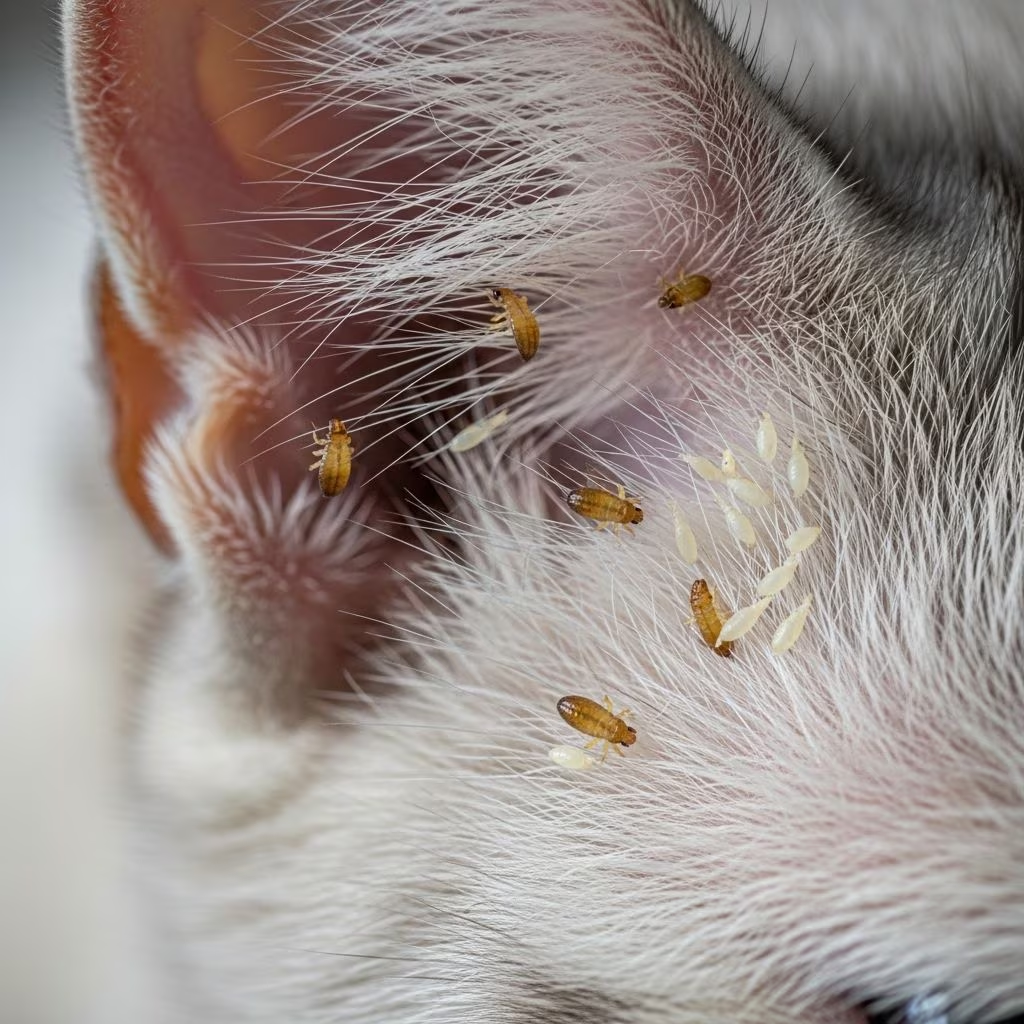
Cat lice represent a common yet manageable external parasite issue affecting domestic felines. These small, wingless insects live on a cat’s skin and fur, leading to discomfort and potential secondary health problems if not addressed promptly. Understanding the nature of these pests, recognizing early signs, and implementing targeted interventions can restore your cat’s well-being quickly.
Understanding Feline Lice: Biology and Lifecycle
Lice that infest cats belong to species specifically adapted to felines, distinguishing them from those affecting humans or dogs. Primarily, cats host chewing lice, which feed on skin flakes and hair rather than blood, classifying them as less invasive than some other parasites but still problematic in numbers.
- Appearance: Adults measure about 1-2 mm long, with elongated bodies and six legs equipped for gripping fur.
- Lifecycle Stages: Eggs (nits) attach firmly to hair shafts, hatching into nymphs that mature into adults within 2-3 weeks under optimal conditions.
- Survival Off-Host: Lice cannot survive long without a host, typically dying within days due to desiccation.
This host-specific lifecycle means direct contact is the main transmission route, emphasizing the importance of monitoring multi-pet households or strays.
Recognizing the Signs of Lice in Cats
Early detection hinges on observing behavioral and physical changes. Cats with lice often display heightened sensitivity in affected areas, prompting excessive grooming that can exacerbate issues.
| Symptom | Description | Common Locations |
|---|---|---|
| Intense Itching | Persistent scratching, biting, or rubbing against surfaces | Head, neck, base of tail |
| Hair Loss (Alopecia) | Patchy bald spots from over-grooming | Ears, shoulders, groin |
| Dull Coat | Scruffy, matted fur appearance | Throughout body |
| Skin Changes | Redness, irritation, possible sores or infections | Any infested area |
| Behavioral Shifts | Restlessness, agitation, reduced appetite | N/A |
These indicators vary by infestation severity; mild cases might only show subtle itching, while heavy ones lead to visible distress. Combing with a fine-tooth tool often reveals moving lice or sticky nits.
How Cats Contract Lice Infestations
Transmission occurs primarily through close physical contact with infested animals. Common scenarios include:
- Interaction with stray or feral cats during outdoor adventures.
- Shared grooming or play among household pets.
- Contact at grooming facilities, boarding, or shows without proper quarantine.
- Rarely, contaminated bedding or brushes from previously affected animals.
Kittens and debilitated adults face higher risks due to weaker defenses. Unlike fleas, lice do not jump; they crawl, limiting spread to direct touch.
Professional Diagnosis: Confirming Lice Presence
Veterinarians diagnose via visual inspection, often using magnification or tape tests to capture specimens. Key steps include:
- Parting the fur to scan for lice or nits.
- Microscopic confirmation distinguishing lice from dandruff or flea dirt.
- Assessing secondary issues like bacterial dermatitis.
Home checks with a lice comb dipped in soapy water can aid initial detection, but professional verification ensures accurate treatment.
Effective Treatment Strategies for Cat Lice
Treatment focuses on eliminating adults, nymphs, and preventing reinfestation. Most protocols involve over-the-counter or prescription parasiticides safe for felines.
Topical Applications
Insecticidal shampoos, sprays, or spot-ons target lice directly. Popular options include:
- Fipronil-based products: Kills lice on contact for up to a month; registered for cats.
- Selamectin: Monthly topical effective against multiple parasites.
- Imidacloprid: Often used off-label but proven in felines.
Apply thoroughly to skin, repeating after 7-10 days to catch hatching nits. Avoid permethrin products toxic to cats.
Environmental Control
Lice on bedding or surfaces die naturally but accelerate cleanup with:
- Hot washing (60°C+) of fabrics.
- Vacuuming carpets and furniture.
- Disinfecting with pet-safe solutions.
Quarantine infested cats until cleared.
Addressing Complications
Secondary infections from scratching may require antibiotics or anti-inflammatories. Nutritional support aids coat recovery.
Preventing Future Lice Infestations
Proactive measures minimize risks:
- Monthly flea preventives (many cover lice).
- Regular grooming and combing.
- Quarantine new pets for 2 weeks.
- Limiting outdoor access or supervising encounters.
Isoxazoline class orals like fluralaner offer broad protection.
Special Considerations for Kittens, Seniors, and Multi-Pet Homes
Kittens under 8 weeks need milder treatments; consult vets for age-appropriate options. Seniors with health issues may require gentler topicals. In multi-pet setups, treat all simultaneously to prevent ping-ponging.
FAQs on Cat Lice
Can humans catch lice from cats?
No, cat lice are species-specific and do not infest people.
How long does treatment take?
Full resolution typically occurs within 2-4 weeks with proper application.
Are over-the-counter products safe?
Many are, but always check labels and vet-confirm for your cat’s needs.
What if my cat still itches after treatment?
Rule out allergies or other parasites; revisit the vet.
Do lice cause serious harm?
Usually not, but severe cases lead to anemia or infections in young cats.
Long-Term Skin Health for Cats
Beyond lice, maintain health with balanced diet, omega supplements, and routine vet checks. Early parasite vigilance prevents escalation.
References
- Lice in Cats: Management and Prevention — PetCareRx. 2023. https://www.petcarerx.com/article/lice-in-cats-management-and-prevention/6813
- Cat Lice | Feline Pediculosis — PetMD. 2024-02-15. https://www.petmd.com/cat/conditions/skin-hair/c_ct_lice_feline_pediculosis
- Lice – Companion Animal Parasite Council — CAPC. 2025. https://capcvet.org/guidelines/lice/
- Cat Lice Explained: Identification & Treatment — Animal Patient. 2023. https://animalpatient.com/parasites/cat-lice
- Lice Dogs and Cats: chewing (Mallophaga), and sucking — Western College of Veterinary Medicine, University of Saskatchewan. 2024. https://wcvm.usask.ca/learnaboutparasites/parasites/lice-chewing-mallophaga,-and-sucking-anoplura.php



