

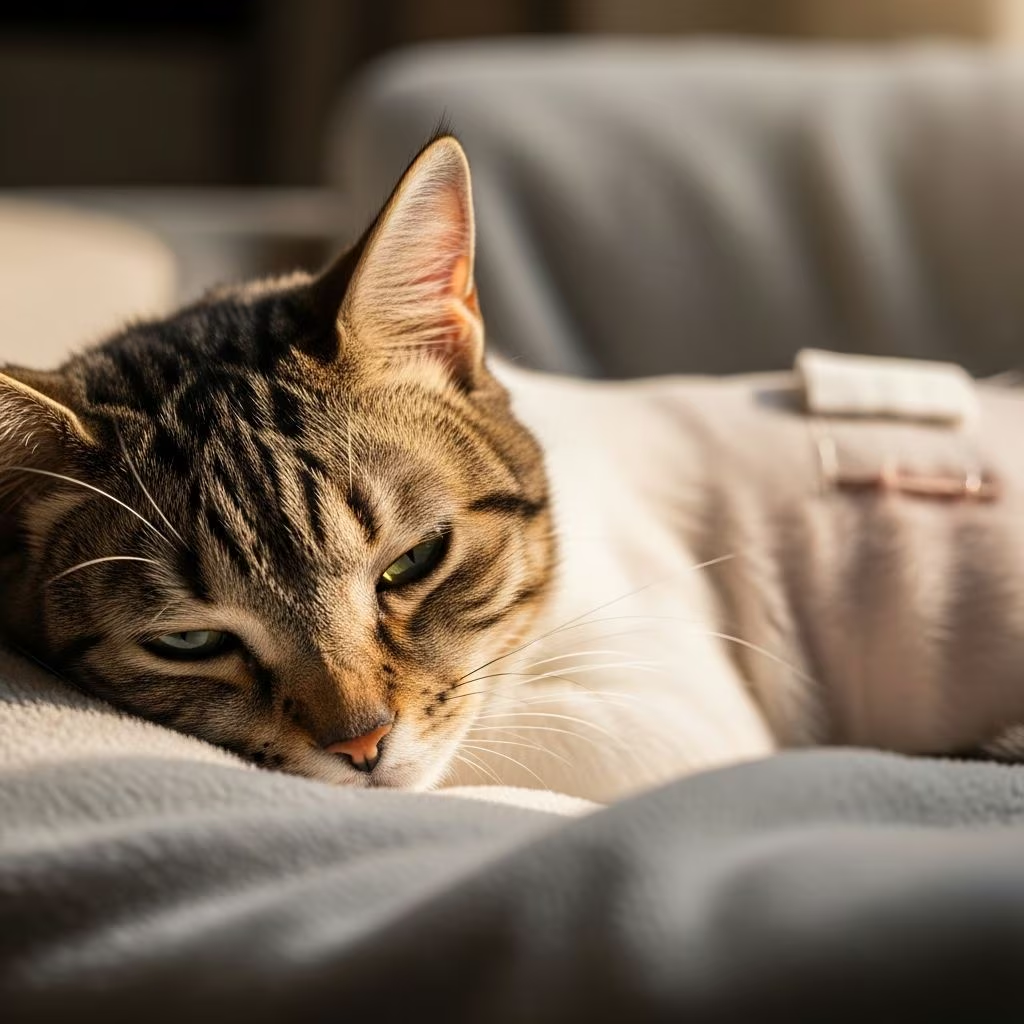
After any surgical procedure, cats often display reduced activity levels as their bodies prioritize healing. This tiredness stems from anesthesia effects, pain management medications, and the physical stress of surgery itself. While short-term lethargy is expected, understanding its duration and associated symptoms helps pet owners distinguish routine recovery from potential issues requiring veterinary intervention.
Understanding the Roots of Post-Surgical Fatigue in Cats
Anesthesia plays a central role in causing drowsiness following surgery. General anesthetics depress the central nervous system, leading to prolonged sleepiness that can extend 12 to 48 hours post-procedure. Sedatives used in minor operations similarly induce grogginess, making cats appear disoriented or overly relaxed upon returning home.
The type of surgery influences fatigue intensity. Routine procedures like spaying or neutering, which typically last under an hour, result in milder, shorter-lived lethargy—often resolving within 24 to 48 hours. In contrast, extensive surgeries such as tumor removals or orthopedic repairs demand more recovery time, with energy levels gradually improving over days to weeks depending on the cat’s age, pre-existing health, and overall vitality.
Young, robust cats may regain vigor swiftly, resuming play within days, while seniors or those with chronic conditions like kidney disease might linger in a fatigued state longer. Pain, though masked by medications, contributes indirectly by discouraging movement and appetite, further perpetuating low energy.
Typical Recovery Timeline for Feline Energy Levels
Most cats exhibit peak lethargy in the first 24 hours, sleeping up to 20 hours daily—beyond their normal 16-18 hours. By day two, many show subtle improvements, such as increased responsiveness or brief explorations. Full return to baseline activity varies:
- Minor surgeries (e.g., dental cleanings, biopsies): 1-3 days.
- Spay/neuter: 2-5 days.
- Major abdominal or orthopedic: 1-4 weeks, with gradual gains.
Monitor progress daily. A plateau or regression after initial improvement warrants a vet call.
| Surgery Type | Expected Lethargy Duration | Factors Influencing Recovery |
|---|---|---|
| Spay/Neuter | 24-48 hours | Young age, minimal anesthesia time |
| Dental/Soft Tissue | 48-72 hours | Pain levels, incision size |
| Orthopedic/Major | 1-4 weeks | Age, comorbidities, rehab needs |
Changes in Daily Habits During Recovery
Lethargy often coincides with shifts in eating, elimination, and behavior. Appetite suppression is common initially due to nausea from anesthesia, resolving within 24 hours. Offer small, frequent meals of familiar food to entice eating without overwhelming the stomach.
Litter box use may falter; accidents near the tray or constipation affect up to 50% of post-op cats, stemming from pain, dehydration, or opioid medications. Encourage hydration with fresh water fountains and consider vet-recommended laxatives if no bowel movement occurs in 48 hours.
Cats naturally seek solitude in quiet, elevated spots to convalesce undisturbed. Respect this by providing a low-stress environment: dim lighting, minimal household traffic, and separation from boisterous pets or children.
Spotting When Lethargy Signals Trouble
Not all fatigue is benign. Persistent or worsening lethargy beyond 48-72 hours, especially paired with other symptoms, may indicate complications like infection, internal bleeding, or adverse drug reactions. Key red flags include:
- Incision site: Swelling, redness, pus, foul odor, or excessive discharge.
- Systemic signs: Fever (warm ears/nose), rapid breathing, pale gums.
- Behavioral shifts: Hiding excessively, aggression, vocalizing in distress.
- Appetite refusal beyond 48 hours or repeated vomiting.
- Unsteady gait, reluctance to bear weight on limbs, or guarding the surgical area.
Infections manifest subtly in cats, who mask illness adeptly. Lethargy escalating days post-op, after a brief normalcy period, heightens concern.
Optimizing Home Care for Faster Bounce-Back
Proactive aftercare accelerates recovery and minimizes complications. Adhere strictly to vet discharge instructions, including medication schedules for pain and antibiotics.
- Rest restriction: Confine to a single room or crate to prevent jumping/stairs; use baby gates for multi-level homes.
- Wound protection: Ensure e-collar or recovery suit fits snugly; check site twice daily for cleanliness.
- Nutrition & hydration: Transition to soft foods if chewing hurts; add broth for palatability.
- Environment tweaks: Maintain 70-75°F room temp; pheromone diffusers reduce anxiety.
- Activity monitoring: Gentle petting ok, but no play until cleared.
Track vitals informally: normal temp 100.5-102.5°F rectally if comfortable; heart rate 140-220 bpm at rest.
Special Considerations for Common Surgeries
Spay/Neuter Recovery
These elective procedures yield quickest recoveries. Expect 24-hour grogginess, then steady improvement. Watch for scrotal swelling in males or abdominal tenderness in females.
Addressing Anesthesia Side Effects
Beyond lethargy, watch for transient depression, nausea, or incoordination—subsiding in 24 hours. Multimodal pain control (opioids, NSAIDs, gabapentin) prevents escalation.
Orthopedic and Emergency Cases
Fracture repairs or foreign body removals extend lethargy due to immobility. Physical therapy may start week two; slings aid mobility.
Frequently Asked Questions (FAQs)
Is it normal for my cat to sleep 20+ hours after surgery?
Yes, for the first 24-48 hours, as anesthesia and healing demand rest. Contact vet if unchanged by day three.
Why is my cat hiding or acting depressed post-op?
Anesthesia induces temporary mood dips; pain or stress amplifies this. A calm space aids normalization within 24 hours.
When should I worry about no appetite after surgery?
Mild reduction is expected day one; full refusal past 48 hours needs vet evaluation for dehydration or infection.
Can lethargy indicate pain if meds are given?
Yes; cats hide pain well. Reluctance to move, meowing, or site guarding signals dose adjustment.
How do I prevent constipation in my recovering cat?
Promote water intake, use litter box aids, and consult vet for stool softeners if unresolved in 48 hours.
Long-Term Outlook and Prevention Tips
With vigilant care, most cats fully recover without sequelae. Pre-surgical health optimization—weight management, dental checks—shortens downtime. Schedule follow-ups as advised; early detection averts crises. Remember, your vet prefers overcautious calls to ensure optimal outcomes.
References
- Is Lethargy Normal After Surgery In Cats? Vet Approved Care — Catster. 2023. https://www.catster.com/cat-health-care/is-lethargy-normal-after-surgery/
- Signs of Infection in Cats After Surgery – How to Tell — Revel Vet. 2023. https://revelvet.com/blog/signs-of-infection-in-cats-after-surgery/
- Cat Behavior After Surgery: What’s Normal? — Whisker. 2023. https://www.whisker.com/blog/cat-behavior-after-surgery
- Cat Surgery Aftercare FAQs — PetMD. 2023. https://www.petmd.com/cat/cat-surgery-aftercare-faqs
- Post-Operative Instructions in Cats — VCA Animal Hospitals. 2023. https://vcahospitals.com/know-your-pet/post-operative-instructions-in-cats



