

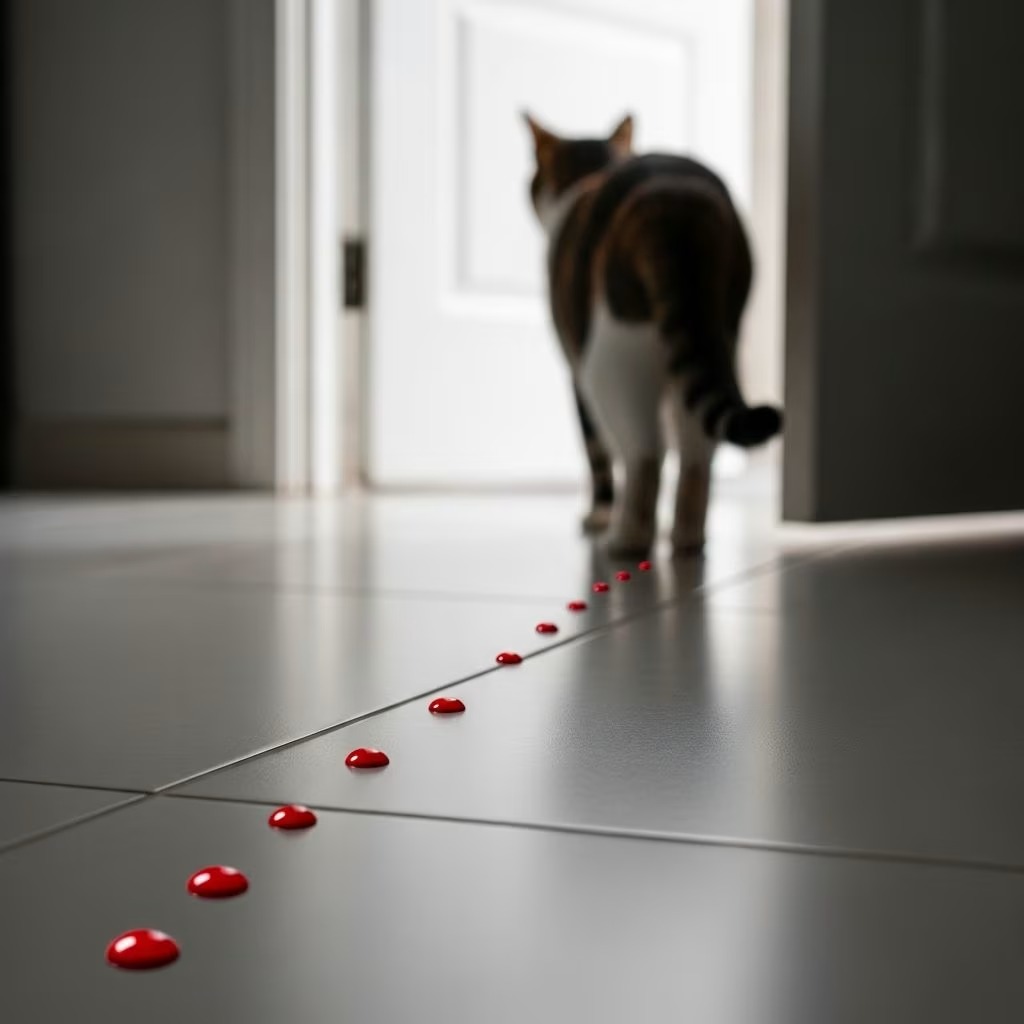
Discovering blood spots trailed by your cat throughout your home is a distressing discovery that demands prompt attention. This symptom often points to underlying health issues ranging from minor injuries to life-threatening conditions. Understanding the potential sources of bleeding helps cat owners respond effectively, potentially saving their pet’s life.
Recognizing the Signs of Feline Bleeding Emergencies
Blood drops can appear in various forms: bright red spots on floors, furniture, or bedding; darker stains in litter boxes; or visible on fur. Key indicators include spotting blood after your cat uses the litter box, on sleeping areas, or near food bowls. Accompanying symptoms like lethargy, straining to urinate, pale gums, or collapse elevate the urgency.
- Bright red blood: Suggests fresh bleeding from surfaces like paws, mouth, or wounds.
- Dark or clotted blood: May indicate internal digestive or urinary issues.
- Blood mixed with urine or stool: Points to organ-specific problems requiring immediate vet evaluation.
Monitor frequency and volume; even small, persistent drops warrant a call to your veterinarian, as cats mask pain well, delaying visible crises.
Common Sources of External Bleeding in Cats
External bleeding often stems from trauma or localized injuries. Cats’ agile nature leads to scrapes from falls, fights, or household hazards.
Traumatic Injuries and Wounds
Fight wounds, especially abscesses from bites, frequently cause oozing blood. Paw pads cut on glass or rough surfaces leave trails. Nail bed injuries from scratching posts or claws caught in fabrics also bleed profusely due to rich blood supply.
| Injury Type | Common Locations | First Aid Steps |
|---|---|---|
| Bite Wounds | Neck, legs, tail base | Clean gently, apply pressure, seek antibiotics |
| Paw Cuts | Pads, between toes | Bandage lightly, prevent licking |
| Nail Tears | Claw tips | Styptic powder, monitor for infection |
Oral and Nasal Bleeding
Tooth resorption, gum disease, or foreign objects cause mouth bleeding, noticed as drops on bowls or floors. Nasal epistaxis from infections, trauma, or tumors drips forward, staining paws and chests.
Internal Bleeding Indicators You Can’t Ignore
Internal hemorrhages manifest indirectly through drops in visible fluids. Merck Veterinary Manual details how clotting defects lead to bleeding into cavities or joints, often post-injury.
Urinary Tract Bleeding (Hematuria)
Blood-tinged urine is a top concern, with crystals, infections, or blockages irritating the bladder. Straining cats may leave pink litter spots. Feline idiopathic cystitis, stress-linked, tops causes in indoor cats.
- Symptoms: Frequent box visits, small urine volumes, vocalizing.
- Risks: Males face urethral blockages, a fatal emergency without swift intervention.
Gastrointestinal Blood Loss
Bloody vomit or melena (black, tarry stools) signals ulcers, tumors, or swallowed irritants. Rectal bleeding from anal sacs or polyps stains litter or floors.
Bleeding Disorders: When Clotting Fails
Cats suffer inherited and acquired coagulopathies. Hemophilia A, factor VIII deficiency, causes prolonged post-surgical bleeding, rarer spontaneous in light cats. Von Willebrand’s disease leads to mucosal hemorrhages like nosebleeds or gum bleeding.
Inherited Clotting Defects
Devon Rex cats show factor deficiencies responsive to vitamin K; some outgrow it. Chédiak-Higashi syndrome in Persians impairs platelet function, linked to coat color.
Acquired Thrombocytopenia
Immune-mediated platelet destruction causes bruises, petechiae. Drugs like aspirin or antibiotics trigger it; cessation restores counts. Rodenticide poisoning mimics this, demanding antidotes and transfusions.
Toxins and Infections Triggering Bleeds
Rat poisons deplete vitamin K, causing widespread bleeding. Infections like upper respiratory viruses provoke nasal drips; vasculitis inflames vessels.
Internal bleeding from trauma or tumors shows as weakness, pale membranes.
Immediate Home Actions for Bleeding Cats
While rushing to the vet, stabilize safely. For external wounds, apply gentle pressure with clean gauze; elevate if possible.
- Confine to a crate to limit movement.
- Prevent licking with cones or suits.
- Track symptoms: urine output, stool color, appetite.
Avoid hydrogen peroxide on deep wounds; it delays healing. Yunnan Baiyao aids clotting in clinics.
Veterinary Diagnosis and Treatment Pathways
Vets start with history, exam, then bloodwork: CBC for platelets/anemia, coagulation panels (PT/PTT), urinalysis.
Imaging and Advanced Tests
Ultrasound detects abdominal bleeds; X-rays reveal stones. Endoscopy scopes GI sources.
Treatment Options by Cause
| Cause | Treatment | Prognosis |
|---|---|---|
| Urinary Crystals | Diet change, fluids, antibiotics | Excellent with early care |
| Clotting Disorder | Plasma transfusion, vitamin K | Good if not chronic |
| Trauma | Surgery, supportive care | Depends on severity |
| Toxins | Antidote, monitoring | Fair to good |
Anemic cats receive transfusions; severe cases need hospitalization.
Preventing Recurrent Bleeding Episodes
Spay/neuter reduces fights; litter box hygiene prevents UTIs. Rodenticide-free homes and supervised play cut risks. Annual bloodwork screens breeds prone to defects.
When to Rush to Emergency Vet
Act now if: no urine in 12 hours, collapse, breathing distress, or profuse bleeding. Delays prove fatal in blockages or coagulopathies.
Frequently Asked Questions (FAQs)
Is blood in cat litter always serious?
Yes, it signals urinary or clotting issues needing vet review promptly.
Can I treat cat bleeding at home?
Only minor wounds; anything persistent or internal requires professional care.
Why does my cat bleed from the nose?
Trauma, infections, or tumors; dry air worsens it seasonally.
How do vets test for clotting problems?
Blood tests measure clotting times and platelet counts.
What if my cat ate rat poison?
Seek emergency care for vitamin K therapy and monitoring.
References
- Bleeding Disorders of Cats – Cat Owners – Merck Veterinary Manual — Merck & Co. 2023. https://www.merckvetmanual.com/cat-owners/blood-disorders-of-cats/bleeding-disorders-of-cats
- Bleeding Disorders in Cats – Symptoms, Causes, Diagnosis — WagWalking. 2023. https://wagwalking.com/cat/condition/bleeding-disorders
- What Causes Cat Bleeding and How to Stop It — PetPlace. 2023. https://www.petplace.com/article/cats/keeping-your-cat-healthy/how-to-stop-cat-bleeding
- Cat Peeing Blood: How to Tell If It’s an Emergency — GSVS. 2023. https://gsvs.org/blog/cat-peeing-blood-emergency/
- Bleeding Disorder in Cats — PetMD. 2023. https://www.petmd.com/cat/conditions/cardiovascular/c_ct_von_willebrand_disease
- Internal Bleeding in Cats — Catwatch Newsletter. 2023. https://www.catwatchnewsletter.com/health/internal-bleeding-in-cats/



