

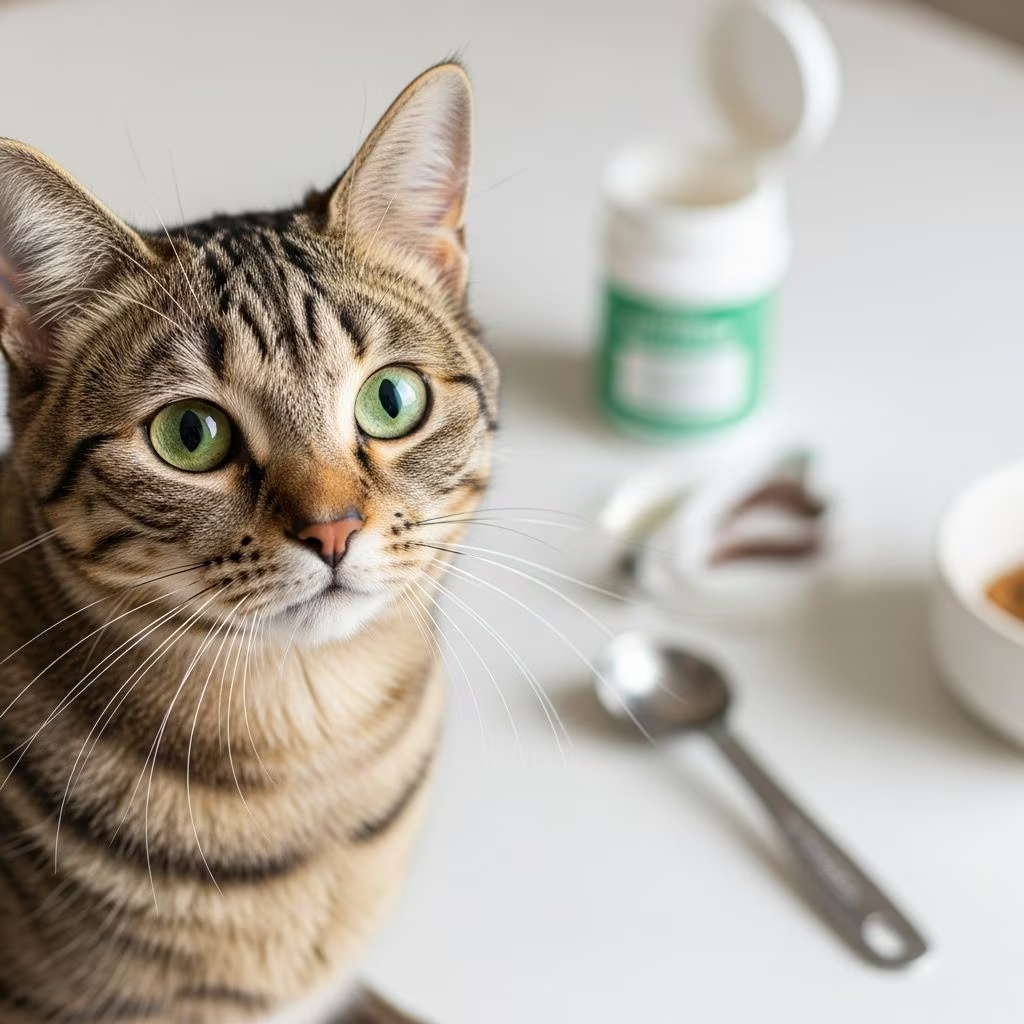
Understanding Cat Laxatives: A Complete Guide to Relief
Constipation is a common issue affecting many cats, impacting their quality of life and overall digestive health. When your feline companion struggles with bowel movements, laxatives can provide essential relief and support. However, not all laxatives are created equal, and understanding the different types, proper dosages, and administration methods is crucial for ensuring your cat’s safety and comfort. This comprehensive guide covers everything cat owners need to know about using laxatives responsibly and effectively.
Why Do Cats Get Constipated?
Before diving into laxative solutions, it’s important to understand why constipation develops in cats. Feline constipation can result from various factors including dehydration, insufficient fiber intake, lack of physical activity, hairballs, obesity, or underlying medical conditions such as megacolon, kidney disease, or other digestive disorders. Additionally, cats may experience constipation due to stress, changes in environment, or side effects from medications. Senior cats and those with chronic health conditions are particularly susceptible to constipation, making ongoing management essential for their wellbeing.
Types of Cat Laxatives
Understanding the different categories of laxatives helps you and your veterinarian determine the most appropriate treatment for your cat’s specific situation. Each type works through different mechanisms to promote bowel movements.
Lubricant Laxatives
Lubricant laxatives work by coating the intestinal tract and stool, allowing easier passage through the digestive system. Products containing mineral oil, white petrolatum, or specialized cat hairball remedies fall into this category. These laxatives are particularly effective for addressing hairball-related constipation and generally work quickly. However, lubricant laxatives should only be used for short-term relief, typically no more than three to five days, as prolonged use can interfere with nutrient absorption and may cause other complications.
Stool Softeners
Stool softeners, often containing docusate sodium (DSS), draw moisture into the stool to soften its consistency. These gentle products are particularly useful for cats experiencing mild constipation or as part of a long-term management plan. While they tend to work more slowly than other laxative types, they are well-tolerated and rarely cause adverse effects. Stool softeners are an excellent option for chronic constipation management when used consistently.
Osmotic Laxatives
Osmotic laxatives pull water into the colon to soften stool and stimulate bowel movements. Two primary osmotic laxatives commonly used in cats include lactulose and polyethylene glycol (PEG3350). These medications are frequently prescribed by veterinarians for moderate to severe constipation and have demonstrated safety in clinical use. Polyethylene glycol 3350 is a safe and palatable oral laxative in cats for long-term use and is well suited as a chronic laxative due to the ease of administration. However, osmotic laxatives are not appropriate for dehydrated cats, as they require adequate hydration to function effectively.
Fiber Supplements
Psyllium-based fiber supplements add bulk and moisture to stool, promoting natural bowel movements. These products work well for ongoing management of chronic constipation and support overall digestive health. However, fiber supplements may not resolve acute constipation quickly enough and typically require consistent long-term use to be most effective. They are best used as part of a comprehensive digestive health strategy rather than emergency relief.
Stimulant Laxatives
Stimulant laxatives, such as bisacodyl, work by stimulating intestinal contractions to move stool through the digestive tract. While these products can be effective for urgent constipation relief, they should be used cautiously and only under direct veterinary supervision. Prolonged use of stimulant laxatives can lead to dependency, meaning the digestive system may become reliant on these medications for normal function. They are typically reserved for short-term use or severe cases requiring immediate intervention.
Laxative Dosage Guidelines
Proper dosing is critical to ensuring safe and effective laxative use in cats. Dosages vary significantly based on several individual factors, requiring personalized adjustment by your veterinarian.
Factors Affecting Dosage
Several important considerations influence the appropriate laxative dose for your cat:
Body Weight
Larger cats generally require higher doses, though the relationship isn’t always linear. Your veterinarian will calculate the appropriate amount based on your cat’s specific weight and condition. Even small variations in weight can affect proper dosing, so accurate measurements are essential.
Age
Kittens and senior cats typically have more sensitive digestive systems and may require adjusted dosages to prevent adverse effects. Senior cats, in particular, often have underlying health conditions that necessitate special dosing protocols. Your veterinarian will account for your cat’s age when determining appropriate doses.
Health Status
Cats with kidney disease, diabetes, liver disease, or other chronic conditions often need specialized dosing protocols. These underlying health issues can affect how your cat’s body processes medications, making individualized dosing essential. Always inform your veterinarian of any existing health conditions or medications your cat takes.
Severity of Constipation
Mild cases may respond to lower doses, while severe impaction might require more intensive treatment under direct veterinary supervision. Your veterinarian will assess the severity and recommend appropriate treatment intensity accordingly.
Common Dosage Guidelines
| Laxative Type | Common Dosage | Frequency | Notes |
|---|---|---|---|
| Miralax (Polyethylene Glycol) | 1/8 to 1/4 teaspoon per 5-10 lbs body weight | Once or twice daily | Variable dosing between cats; titration important |
| Lactulose | 0.5 ml per pound of body weight | 2-3 times daily | Dosage adjusted to achieve desired stool quality |
| Petroleum Jelly | 1/2 to 1 teaspoon | 1-2 times daily | Use for no more than 3-5 days |
| Fiber Supplements | Variable by product | Daily | Follow specific product instructions |
It’s important to note that laxative dosages can vary significantly among individual cats, and starting at a lower dose with gradual adjustment is often recommended. A good starting point for polyethylene glycol is 1/4 teaspoon twice daily, with adjustments made based on your cat’s response.
Safe Administration Methods
How you administer the laxative significantly affects its effectiveness and your cat’s cooperation. Different administration methods work better for different laxative types and individual cats.
Food Incorporation
For many cats, mixing the laxative with a small amount of highly palatable wet food is the least stressful method. Use just enough food to mask the medication, ensuring your cat consumes the entire portion. This approach works particularly well for flavorless products like Miralax. Mix thoroughly so the medication is evenly distributed throughout the food.
Direct Oral Administration
For liquid medications, a syringe without a needle can be gently placed in the side of your cat’s mouth to deliver precise doses. This method allows for accurate dosing when food incorporation isn’t practical. Administer the medication slowly to allow your cat to swallow comfortably, and consider having someone help you gently restrain your cat if needed.
Water Addition
Some laxative powders can be dissolved in water and offered to your cat. However, not all cats will drink medicated water readily, so this method’s success varies. It may work better for cats accustomed to drinking from sources other than their water bowl.
Safety Considerations and Precautions
While cat laxatives are generally considered safe when used properly, important precautions must be observed to prevent adverse effects and ensure your cat’s wellbeing.
Veterinary Consultation
Always consult your veterinarian before giving your cat any laxative. Your vet can determine the underlying cause of constipation, identify any contraindications based on your cat’s health status, and recommend the most appropriate treatment. Never assume a laxative will resolve the problem without professional guidance, as constipation can indicate serious underlying conditions requiring specific treatment.
Hydration Status
Osmotic laxatives are not safe for dehydrated cats, as they require adequate body hydration to function properly. Ensure your cat has constant access to fresh water and monitor hydration status. If your cat shows signs of dehydration such as dry gums, lethargy, or sunken eyes, contact your veterinarian immediately before administering laxatives.
Human Laxatives
Never give human laxatives to cats without explicit veterinary guidance. Many human laxatives contain ingredients that can be toxic to cats or are dosed inappropriately for their small body size. Always use products specifically approved by your veterinarian for feline use.
Monitoring for Side Effects
Watch for potential side effects including excessive diarrhea, vomiting, loss of appetite, lethargy, or signs of electrolyte imbalance. If your cat experiences any concerning symptoms, contact your veterinarian promptly. Some mild gastrointestinal discomfort is normal initially, but severe symptoms warrant professional attention.
Serum Electrolyte Monitoring
When using polyethylene glycol for extended periods, serum electrolyte levels and hydration status should be monitored closely in clinical patients. Your veterinarian may recommend periodic blood work to ensure the laxative isn’t causing electrolyte imbalances.
Long-Term Management and Prevention
While laxatives provide important relief, addressing the underlying causes of constipation and implementing preventative measures is equally important for long-term success.
Dietary Modifications
High-quality nutrition plays a crucial role in maintaining digestive health. Ensure your cat receives adequate hydration through diet by offering wet food in addition to dry kibble. Some cats benefit from increased fiber content in their diet, though the appropriate amount varies by individual. Discuss dietary changes with your veterinarian to determine what works best for your cat.
Hydration Support
Encouraging adequate water intake is fundamental to preventing constipation. Provide multiple water sources throughout your home, consider a cat water fountain, and ensure fresh water is always available. Some cats prefer running water, while others may drink more from ceramic or glass bowls. Experiment to find what your cat prefers.
Physical Activity
Regular exercise stimulates intestinal motility and promotes healthy digestion. Encourage playtime, climbing, and exploration through environmental enrichment. Interactive toys, climbing structures, and regular play sessions help maintain your cat’s physical fitness and digestive function.
Stress Reduction
Stress can contribute to digestive issues including constipation. Maintain a calm, predictable environment for your cat with consistent routines, safe spaces, and appropriate environmental enrichment. Address any sources of anxiety to support overall digestive health.
Frequently Asked Questions
Q: Can I give my cat human laxatives?
A: Never give human laxatives to cats without veterinary guidance, as many contain ingredients toxic to cats or are improperly dosed for their small size. Only use products specifically approved by your veterinarian for feline use.
Q: How long can a cat safely go without a bowel movement?
A: Most healthy cats should have a bowel movement at least once daily. If your cat hasn’t had a bowel movement for more than 48 hours, contact your veterinarian, as this could indicate impaction or another serious condition requiring treatment.
Q: What are the signs my cat is constipated?
A: Signs of constipation include straining in the litter box, infrequent bowel movements, hard or small stools, decreased appetite, lethargy, and abdominal discomfort. Some cats may also exhibit behavioral changes or increased vocalization when experiencing constipation.
Q: How quickly do cat laxatives work?
A: The time frame varies by laxative type. Stimulant laxatives may work within hours, while osmotic laxatives typically require several hours to a day. Stool softeners and fiber supplements may take longer, sometimes requiring several days of consistent use.
Q: Can my cat become dependent on laxatives?
A: Long-term use of stimulant laxatives can lead to dependency, where the digestive system becomes reliant on these medications for normal function. This is why your veterinarian may recommend alternating laxative types or focusing on underlying cause management for chronic constipation.
Q: Are there natural alternatives to laxatives?
A: While some natural approaches like increased hydration, dietary fiber, and physical activity can support digestive health, they may not be sufficient for cats with existing constipation. Always consult your veterinarian before trying alternative treatments.
When to Contact Your Veterinarian
Seek immediate veterinary attention if your cat experiences severe constipation, recurring constipation despite laxative use, vomiting, complete loss of appetite, severe lethargy, abdominal pain, or any signs of illness. Additionally, if you’re uncertain about appropriate laxative use or your cat’s condition isn’t improving, professional guidance is essential. Your veterinarian can perform diagnostic tests to identify underlying conditions and recommend appropriate treatment strategies.
References
- Safety and Palatability of Polyethylene Glycol 3350 as an Oral Laxative in Cats — National Center for Biotechnology Information (NCBI). 2024. https://pmc.ncbi.nlm.nih.gov/articles/PMC10832764/
- Constipation in Cats (Proceedings) — DVM360 Veterinary Education. https://www.dvm360.com/view/constipation-cats-proceedings
- Cathartic and Laxative Drugs Used in Monogastric Animals — Merck Veterinary Manual. https://www.merckvetmanual.com/pharmacology/systemic-pharmacotherapeutics-of-the-digestive-system/cathartic-and-laxative-drugs-used-in-monogastric-animals
- Feline Constipation Management — Joii Pet Care Veterinary Services. https://www.joiipetcare.com/blogs/health-symptoms/constipation-in-cats



