

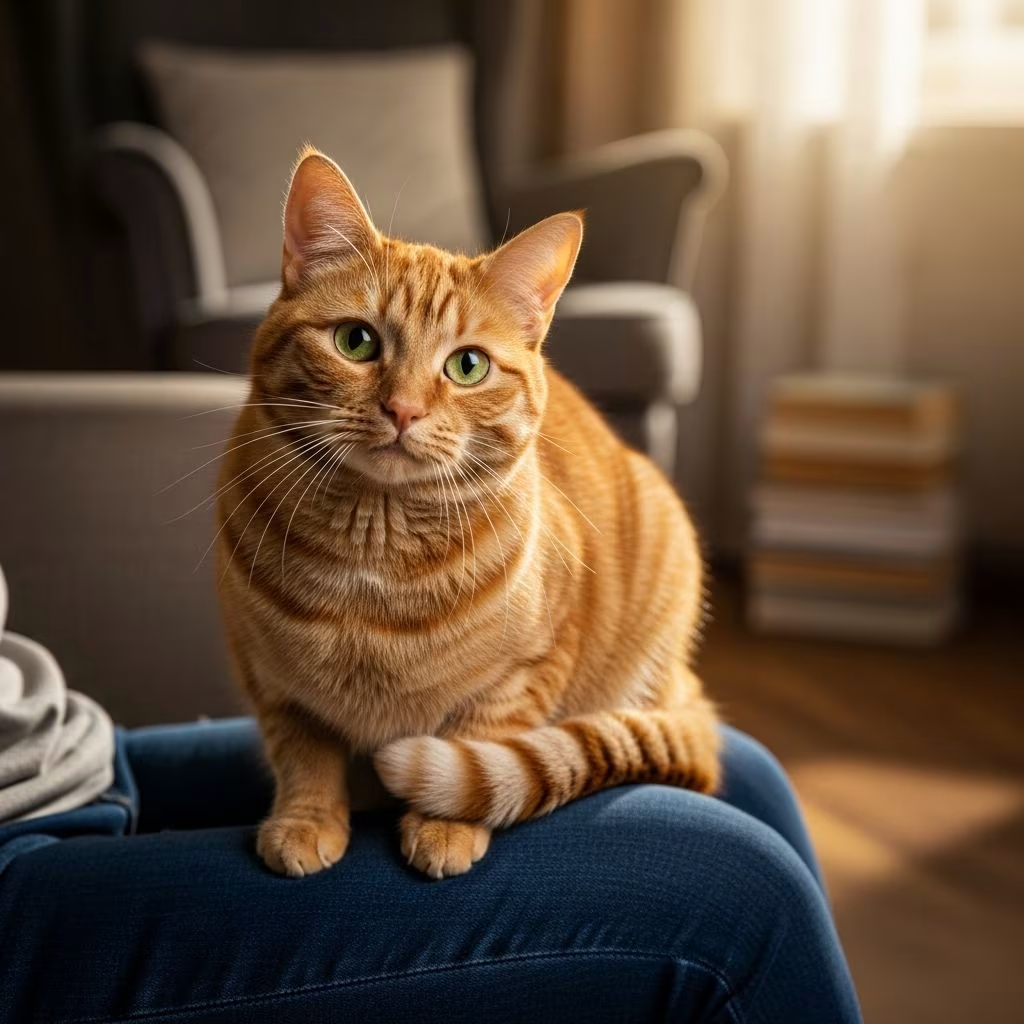
Cats are enigmatic creatures, often choosing their favourite spots with discerning precision. While some felines eagerly claim your lap as their throne, others seem utterly indifferent—or even avoid it altogether. This lap preference is influenced by a complex mix of genetics, early experiences, personality, and environmental factors. Understanding these dynamics can help you foster a stronger bond with your cat, potentially turning reluctant sitters into devoted lap companions.
In this comprehensive guide, we’ll delve into the science and behaviour behind why cats select certain laps (or skip them), highlight breeds predisposed to lap-sitting, explore practical reasons for avoidance, and share proven strategies to encourage lap time. Drawing from veterinary insights and behavioural studies, you’ll gain actionable knowledge to enhance your cat’s comfort and affection.
Why Do Some Cats Love Laps?
Not all cats are created equal when it comes to lap affinity. Some transform into instant “lap cats,” curling up for hours, purring contentedly. This behaviour stems from innate and learned preferences that make human laps an appealing perch.
Breed and Genetics Play a Key Role
Certain cat breeds are genetically wired for affection and lap-sitting. Research indicates that heritability influences social behaviours; kittens from sociable parents are more likely to seek human interaction. Breeds renowned for their cuddly nature include:
- Ragdoll: Famous for going limp when held, these gentle giants crave lap time and human touch.
- Siamese: Vocal and people-oriented, they often demand lap attention as a sign of bonding.
- Burmese: Playful yet affectionate, they view laps as prime real estate for naps.
- Persian: Laid-back and luxurious, they enjoy the warmth and elevation of laps.
- Maine Coon: Despite their size, these “gentle giants” are dog-like in loyalty and lap preference.
Genetics aside, early socialization amplifies these traits. Kittens handled gently from 2-7 weeks develop stronger human bonds.
Seeking Warmth and Comfort
Cats are warmth-seekers, with ideal temperatures between 80°F and 90°F (26.6°C-32.2°C)—far warmer than human comfort zones around 70°F (21.1°C). Your lap becomes a living heater, especially post-meal or exercise when your body radiates heat. The soft texture of clothing adds to the appeal, mimicking plush bedding.
Behavioural experts note cats often sunbathe, burrow in laundry, or choose laps for this thermoregulation. A study from Oregon State University highlights how such proximity triggers oxytocin release in both cat and human, fostering a bonding feedback loop.
Social Interaction, Affection, and Security
Lap-sitting signals trust: “You’re my safe human.” It’s prime petting territory, reinforcing bonds through scent exchange—cats rub glands to mark you as family. Elevated laps provide security from ground-level threats, while familiar scents promote relaxation.
Attention-seeking cats may hop on laps when sensing neglect, meowing for pets. Purring at 25-50 Hz during these moments heals and relaxes both parties.
Why Doesn’t Your Cat Choose Your Lap?
If your cat snubs your lap, don’t take it personally. Several factors explain this independence, rooted in biology, past experiences, and personality.
Preference Against Being Held
Adult cats dislike scruff-holding, a kitten transport method by mothers. Unsupported hind legs trigger discomfort or fear, associating laps with restraint. Many prefer perching nearby over full-body contact.
Active Lifestyle and High Energy
Energetic cats prioritise play over stillness. Breeds like Bengals or Abyssinians thrive on movement, viewing laps as boring traps. They need 30-60 minutes daily exercise via toys, trees, and chases.
Individual Temperament and Past Experiences
Like humans, cats have unique personalities. Under-socialised or feral backgrounds lead to wariness. Stress, unfamiliar scents on clothes, or overstimulation (e.g., excited reactions) deter lap use—whiskers detect tension from 3 feet away. Negative associations from forced cuddles compound this.
Comfort and Environmental Factors
Your lap might jostle too much, or fabrics/scents repel. Competition from cozier spots (windowsills, beds) wins out. Health issues like pain or anxiety also play roles—consult a vet if sudden changes occur.
How to Encourage Your Cat to Sit on Your Lap
Patience and positive reinforcement can shift preferences. Respect autonomy: forcing backfires, as cats value control. Here’s a step-by-step guide based on vet-reviewed techniques.
Step 1: Create a Welcoming Environment
Warm your lap with a heating pad (low, pet-safe). Sit quietly in a calm room, avoiding sudden moves. Use pheromone diffusers like FELIWAY Optimum for stress reduction.
Step 2: Positive Association Training
Place treats or toys on your lap, rewarding approaches. Food-motivated cats learn quickly. Gradually increase duration: treat for 5 seconds, then 45—activating their parasympathetic system.
Step 3: Micro-Movements and Play Connection
Gently wiggle fingers or a blanket for curiosity without overwhelm. Transition to play sessions ending on your lap for cooldowns.
Step 4: Scent Exchange and Petting
After 45 seconds, stroke cheeks/head (sebaceous glands) for marking and endorphins. Listen for purring; watch for kneading paws as contentment signs.
Step 5: Respect Choice and Build Trust
Never trap—let them leave freely. Over weeks, 78% show increased voluntary lap time via positive associations. Consistency yields results in 2+ weeks.
| Technique | Duration | Expected Outcome |
|---|---|---|
| Treat Trail | 1-2 weeks | Initial approaches |
| 45-Second Rule | 3-5 sessions/day | Relaxation onset |
| Scent Marking Pets | 8+ seconds | Bonding hormones |
| Autonomy Training | Ongoing | 78% lap preference |
Frequently Asked Questions (FAQs)
Can any cat become a lap cat?
Yes, with patience. Most respond to positive reinforcement, though independents like Russian Blues may prefer proximity over laps.
How long to train a lap-averse cat?
2-4 weeks for noticeable changes, longer for shy cats. Track progress daily.
Is lap-sitting a sign of love?
Absolutely—vulnerability shows deep trust, akin to family bonding.
What if my cat suddenly stops lap-sitting?
Check for stress, pain, or changes. Vet visit recommended.
Best breeds for lap lovers?
Ragdoll, Siamese, Burmese—genetically affectionate.
Embracing Your Cat’s Individuality
Not every cat will adore laps, and that’s okay. Respect their terms to strengthen bonds. Whether lap-bound or aloof, focus on quality time—play, gentle pets, shared spaces. Tailor interactions to their personality for a happier home.
By understanding these nuances, you’ll decode your cat’s world, potentially unlocking more cuddles. Every lap-snub is a clue to deeper connection.
References
- Why Are Some Cats Lap Cats While Others Aren’t? Vet-Reviewed — Catster. 2023-05-15. https://www.catster.com/cat-behavior/why-are-some-cats-lap-cats/
- Why Do Some Cats Like To Sit On Laps? A Cat’s Point Of View — Feliway US. 2023-08-22. https://us.feliway.com/blogs/news/why-do-some-cats-like-to-sit-on-laps-a-cats-point-of-view
- Do This And Your Cat Will Beg to Sit on Your Lap Every Time — YouTube (Jackson Galaxy). 2024-02-10. https://www.youtube.com/watch?v=RvFnRUK2zps
- 8 Adorable Reasons Why Cats Love Sitting on Laps — Cats.com. 2024-11-03. https://cats.com/why-do-cats-like-sitting-on-laps



