

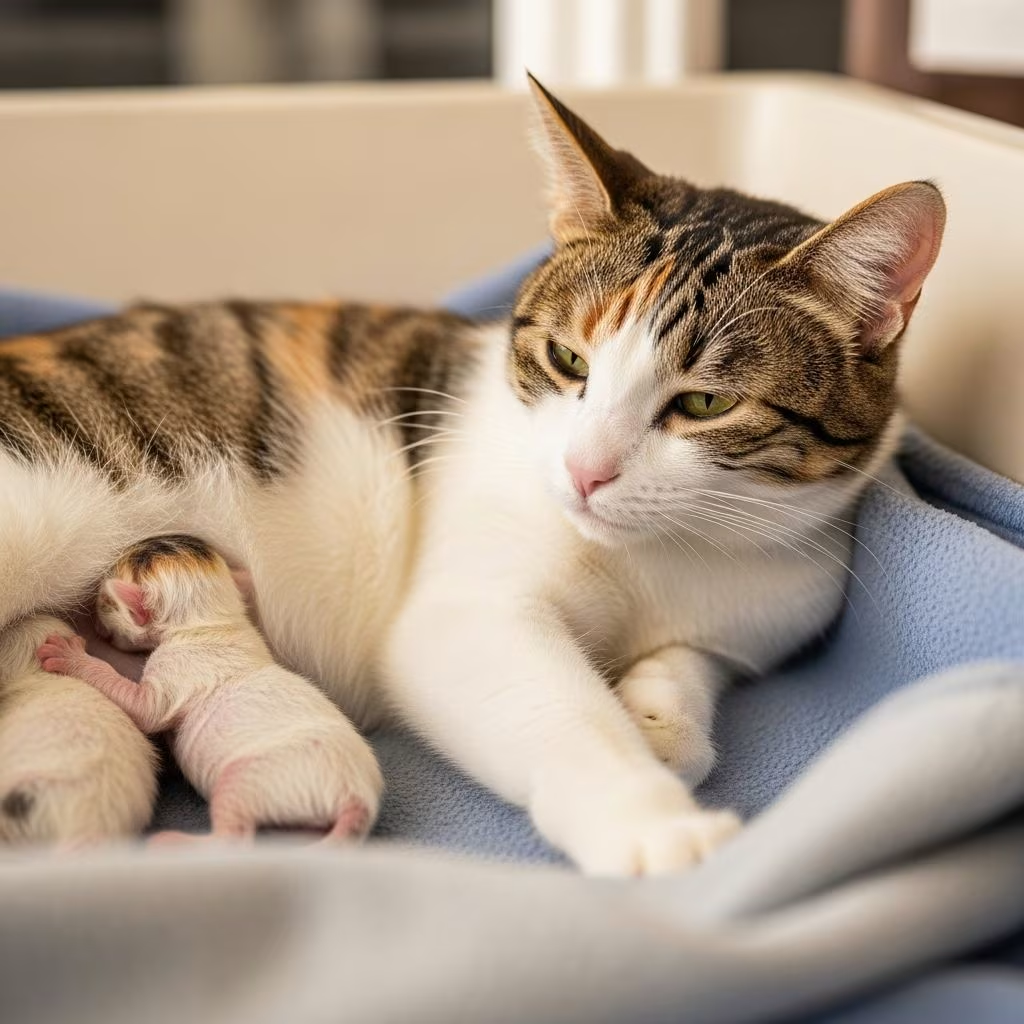
The journey of a pregnant cat culminates in labor, a natural yet delicate process that typically occurs around 63-65 days after conception. Understanding the phases of feline delivery empowers owners to support their pet effectively while knowing when professional intervention is needed.
Understanding Feline Gestation Period
Cat pregnancies last approximately 60 to 65 days, averaging 63-65 days, making it shorter than many other mammals. This timeline divides into three trimesters of about 20 days each, with visible changes emerging progressively.
- First Trimester (Days 1-21): Fertilization and early embryo implantation occur with minimal external signs. Hormonal shifts may subtly increase appetite, and nipples might pinken slightly.
- Second Trimester (Days 21-42): The belly rounds out, behavior softens, and kittens’ skeletons form. Owners often notice cuddlier demeanor and higher food intake.
- Third Trimester (Days 42-65): Rapid growth leads to a swollen abdomen, milk production, and nesting instincts. Appetite surges then may dip near term.
Precise dating hinges on known mating dates; otherwise, veterinary ultrasounds around day 25 confirm pregnancy via heartbeats.
Physical and Behavioral Changes Signaling Labor
As delivery nears, cats exhibit distinct pre-labor cues. About a week prior, nesting begins—scratching fabrics or hiding in quiet spots to create a safe haven. Rectal temperature drops below 99°F (37.2°C) 12-24 hours before birth, a reliable indicator.
Other signs include restlessness, frequent licking of genitals, reduced eating, and mild contractions. First-time mothers may vocalize more due to anxiety. Prepare a whelping box: a large, low-sided container with soft bedding in a warm, dim, traffic-free area.
| Sign | Timing Before Labor | What to Do |
|---|---|---|
| Temperature drop to <99°F | 12-24 hours | Monitor closely; ensure box ready |
| Nesting behavior | 3-7 days | Provide safe options; discourage risky spots |
| Loss of appetite | 1-2 days | Offer favorites; don’t force feed |
| Restlessness/pacing | Hours | Stay calm, nearby but unobtrusive |
Detailed Stages of Cat Labor
Feline labor unfolds in three stages, usually spanning 2-6 hours for the active phase, though first litters may extend longer.
Stage 1: Preparation and Opening
Lasting 12-36 hours, this phase involves cervical dilation. Cats pant, pace, vocalize, and strain mildly without kitten passage. Clear or bloody vaginal discharge appears. Intervention unnecessary unless over 36 hours.
Stage 2: Active Delivery
The most visible stage: strong contractions expel kittens every 10-60 minutes, ideally headfirst in an amniotic sac. Mother tears the sac, licks to clear airways, severs the cord, and cleans each newborn. Placentas follow, one per kitten, often eaten for nutrients. Litter sizes average 3-5, up to 9.
Stage 3: Placental Expulsion
Passively, greenish-black placentas deliver post-kitten. Count them to confirm none retained, risking infection.
Post-delivery, mom bonds by nursing; kittens knead for colostrum-rich milk boosting immunity.
Normal vs. Problematic Births
Most deliveries proceed smoothly, but vigilance prevents dystocia (difficult birth). Monitor intervals: over 60 minutes between kittens or no progress after two hours signals trouble.
- Red Flags:
- Prolonged Stage 1 (>36 hours)
- Foul discharge
- Kitten stuck (legs/tail visible >20 min)
- Weak mother or kittens (pale gums, limp)
- Fewer placentas than kittens
- Heavy bleeding
Rush to vet for C-section if needed; success rates high if prompt. Breeds like Persians face higher risks due to skull shape.
Postpartum Care for Queen and Kittens
After birth, provide quiet recovery. Mom needs water, high-calorie food (kitten formula), and a litter box. Lochia (bloody discharge) lasts 3 weeks, fading.
Newborn care essentials:
- Keep warm (85-90°F first week, room temp after)
- Ensure nursing; supplement if needed
- Check weights daily (double in 2 weeks)
- Monitor for fading kitten syndrome: lethargy, crying, coolness
Vet check 24-48 hours post-birth assesses health. Wean at 4-8 weeks.
Nutrition and Health During Late Pregnancy
From week 5, switch to kitten food for 25-30% more calories. Free-feed; obesity risks post-weaning. Deworm pre-pregnancy; avoid vaccines during.
FAQs on Cat Labor and Birth
How long does cat labor last?
Typically 2-6 hours for active delivery, with Stage 1 up to 36 hours.
Can I touch newborn kittens?
Minimize handling first 2 weeks to avoid rejection stress.
What if a kitten isn’t breathing?
Rub gently with towel; swing downward if fluid-filled. Seek vet if no response.
How many kittens in a litter?
Average 4-6; X-ray at day 50 counts accurately.
When spay after birth?
Wait 8-12 weeks post-weaning for recovery.
Preventing Unplanned Pregnancies
Spay before first heat; suppresses cancer, infections. Trap-neuter-release aids strays.
References
- Cat Pregnancy Timeline & Stages: Vet-Verified Week-by-Week — Catster. 2023. https://www.catster.com/cat-health-care/cat-pregnancy-stages/
- Cat Pregnancy: Signs, Stages and Care — PetMD. 2024-02-15. https://www.petmd.com/cat/conditions/reproductive/cat-pregnancy-and-kittens-complete-guide
- Cat Pregnancy Stages: A Week-by-Week Guide — Canna-Pet. 2023. https://canna-pet.com/articles/cat-pregnancy-stages-a-week-by-week-guide/
- Cat Pregnancy: Signs, Stages, and Care — Pet Care Partners. 2024. https://petcarepartners.co/cat-pregnancy-signs-stages-and-care/
- How Long Are Cats Pregnant? — Chewy. 2024. https://www.chewy.com/education/cat/health-and-wellness/how-long-are-cats-pregnant



