

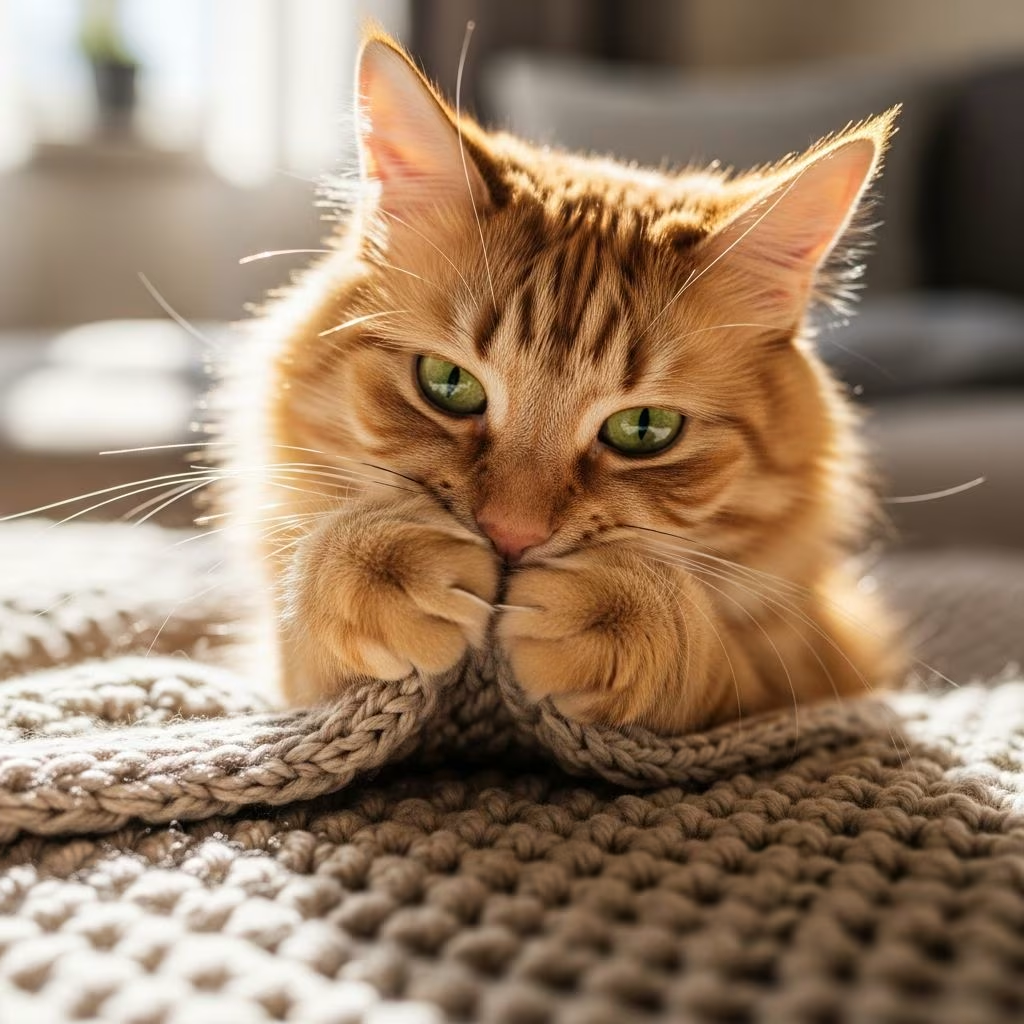
Cat kneading, often called “making biscuits,” involves rhythmic paw pressing into soft surfaces like blankets or laps. This behavior stems from early life instincts and continues as a way to express comfort and claim territory.
The Origins of Kneading in Kittenhood
Kneading begins when kittens nurse from their mother. By alternating paw pushes against her abdomen, they stimulate milk flow, associating the motion with nourishment and safety. This early experience imprints a lifelong comfort response, releasing feel-good chemicals like dopamine and oxytocin.
As adults, cats recreate this sensation on plush items or human legs, evoking maternal security. Research links this to bonding pheromones from mammary glands, fostering emotional ties.
Primary Reasons Cats Knead as Adults
Adult kneading serves multiple purposes beyond nostalgia. Here’s a breakdown:
- Scent Marking: Paw pads contain scent glands releasing pheromones during kneading, signaling ownership over people or objects.
- Relaxation and Stress Relief: The action triggers dopamine, promoting calm, especially in anxious cats.
- Affection Display: Kneading directed at owners indicates trust and love, akin to social bonding.
- Physical Comfort: It stretches muscles and prepares bedding, echoing wild ancestors’ nest-making.
| Reason | Biological Trigger | Common Surfaces |
|---|---|---|
| Scent Marking | Paw pheromones | Laps, furniture |
| Relaxation | Dopamine release | Blankets, pillows |
| Affection | Oxytocin association | Owner’s body |
| Stretching | Muscle flexion | Any soft spot |
Kneading and Feline Emotional Health
Kneading reflects a cat’s inner state. Content cats knead gently during purring sessions, signaling bliss. Conversely, vigorous or frequent kneading may indicate anxiety, pain from arthritis, or neurological issues.
Owners reinforcing the behavior with pets can strengthen bonds but watch for excess, which might signal discomfort. Veterinary checks rule out medical causes like injuries prompting self-soothing kneads.
Related Behaviors: Bunting and Beyond
Kneading pairs with bunting—head rubbing to deposit cheek pheromones for territory and bonding. Both mark familiarity, with bunting often seeking attention or stress relief in new settings.
Some cats suckle fabrics while kneading, mimicking nursing for extra soothing, tied to early weaning.
Managing Kneading in Your Home
Embrace kneading as normal, but protect fabrics and skin:
- Provide claw-trimmed alternatives like fleece blankets.
- Use pheromone diffusers mimicking appeasing scents.
- Redirect to toys during intense sessions.
- Consult vets for sudden increases.
Positive responses, like gentle strokes, enhance trust without encouraging destructiveness.
When to Worry: Signs of Concern
Normal kneading is occasional and blissful. Red flags include:
- Sudden frequency spikes.
- Aggressive claw extension.
- Accompanied by vocalizing or hiding.
These suggest pain, stress, or compulsions. Early vet intervention prevents escalation.
Breed and Gender Differences in Kneading
No strong evidence shows sex-based differences; both males and females knead for identical reasons. Certain breeds like Ragdolls or Siamese may knead more due to affectionate temperaments, but it’s individual.
Enhancing Your Cat’s Kneading Experience
Create dedicated spots with soft, washable mats scented with their pheromones. Interactive play reduces stress-induced kneading, promoting overall well-being.
FAQs
Do all cats knead?
Most do, rooted in kittenhood, though some less visibly.
Why do cats knead people?
It shows deep trust and affection, marking you as family.
Is kneading painful for cats?
No, it’s pleasurable via endorphins, unless excessive from discomfort.
How to stop destructive kneading?
Trim nails, offer alternatives, and ignore while redirecting positively.
Does kneading mean my cat is happy?
Often yes, indicating relaxation and security.
References
- Understanding Kneading in Cats: Behaviour Explained for 2025 — The Valley Animal Hospital. 2025. https://thevalleyanimalhospital.com/kneading-in-kitties/
- Understanding why cats knead and bunt: The science behind feline behaviors — COAPE. 2013 (updated). https://coape.org/understanding-why-cats-knead-and-bunt-the-science-behind-feline-behaviors/
- The Science of Affection That Makes Cats Knead You — ScienceAlert. Recent. https://www.sciencealert.com/the-science-of-affection-that-makes-cats-knead-you
- Why Do Cats Knead? — PetMD. Recent. https://www.petmd.com/cat/behavior/why-do-cats-knead
- Why Do Cats Knead? Is This Normal? — Chewy. Recent. https://www.chewy.com/education/cat/training-and-behavior/why-do-cats-knead
- Kneading (cats) — Wikipedia. Ongoing. https://en.wikipedia.org/wiki/Kneading_(cats)



