Cat Killed A Mouse: 8 Essential Steps To Stay Safe
Discover the essential 8-step guide to safely handle your cat's mouse kill, protect your pet's health, and prevent diseases.
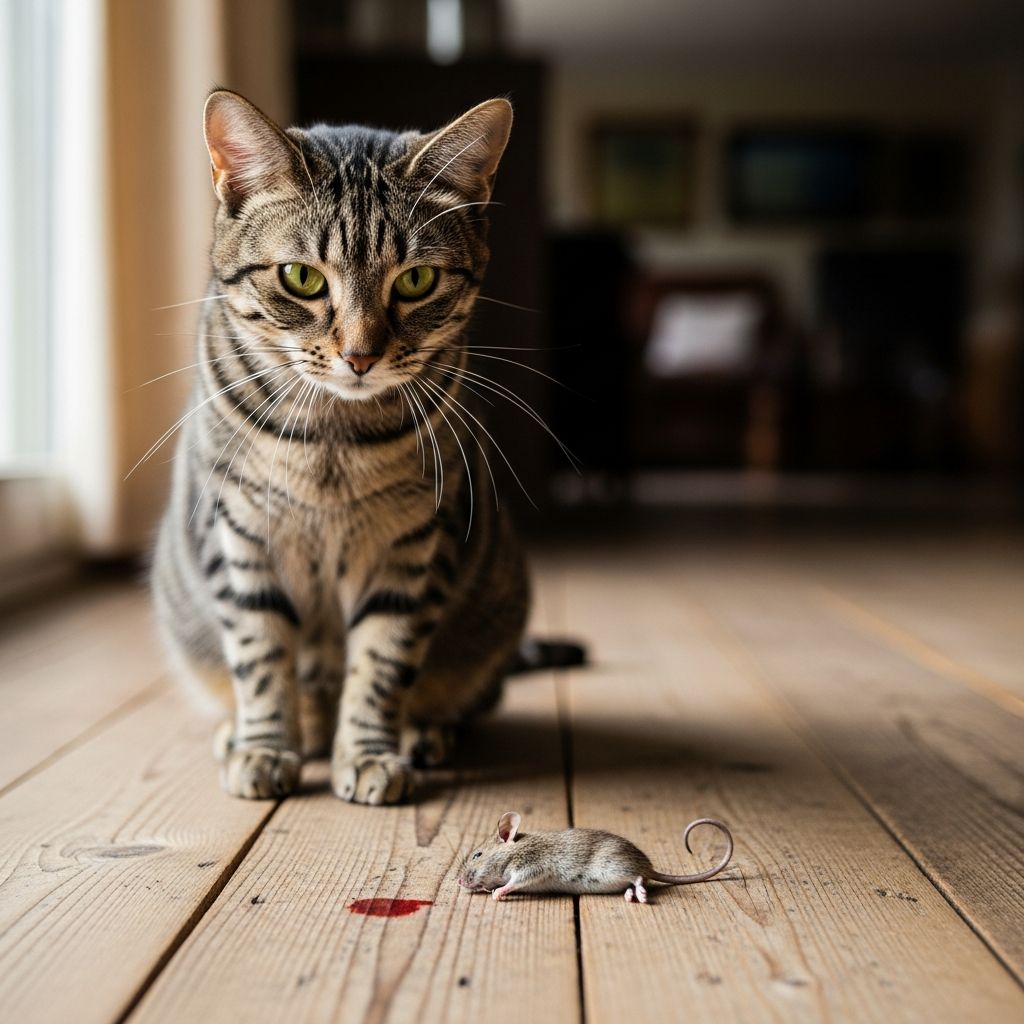
Cat Killed a Mouse: What to Do Next
Your cat’s natural hunting instincts can lead to unexpected surprises, like bringing home a dead or dying mouse. While it’s a proud moment for your feline friend, it poses potential health risks for both your cat and your household. Mice can carry diseases, parasites, fleas, and even rodenticides that threaten your pet’s well-being. This comprehensive guide outlines the
8 essential steps
to follow, drawing from veterinary expertise to ensure safe cleanup, health monitoring, and prevention strategies. Whether your cat only killed the mouse or ate it, prompt action is crucial to minimize risks.The 8 Steps To Follow If Your Cat Brings Home a Dead Mouse
When you discover your cat has killed a mouse, stay calm and methodically address the situation. These steps prioritize your cat’s safety, hygiene, and proper disposal to avoid zoonotic diseases—illnesses transmissible from animals to humans, such as toxoplasmosis or hantavirus.
1. Inspect & Secure Your Cat
The immediate priority is assessing your cat’s health. Observe if your cat behaves normally: eating, drinking, and moving without lethargy, vomiting, diarrhea, or wounds from the hunt. A healthy cat shows no signs of distress, like excessive salivation, bleeding, or unusual aggression. If all seems well, gently isolate your cat in a separate room to prevent further interaction with the mouse while you clean.
However, if symptoms appear—such as weakness, abdominal pain, or neurological signs like tremors—**rush to a veterinarian immediately**. These could indicate poisoning from rodenticides the mouse ingested or bacterial infections like salmonellosis. Even asymptomatic cats benefit from a vet check within 24-48 hours, as secondary issues like parasites may not show right away. Monitoring for 48 hours post-incident is standard veterinary advice for potential toxin exposure.
2. Suit Up
Before touching the mouse or affected area, protect yourself with
rubber or disposable gloves
. Rodents harbor fleas, ticks, and pathogens that can jump to humans or pets. For added caution, apply insect repellent to your clothing, shoes, and exposed skin. Vulnerable individuals—pregnant women, children, elderly, or immunocompromised people—should avoid handling altogether and delegate to someone else or call professionals.Wear old clothes you can discard or wash immediately after, as urine and feces can contaminate fabrics. This personal protective equipment (PPE) step is vital to prevent cross-contamination in your home.
3. Disinfect
Spray the mouse, its blood, urine, droppings, and surrounding area generously with an
EPA-registered disinfectant
. Allow it to soak for at least 5 minutes, following the product label. Effective options kill bacteria, viruses, and parasites common in rodents. If unavailable, mix a homemade solution: 1 part household bleach to 9 parts water (1.5 cups bleach per gallon). Ensure excellent ventilation, as bleach fumes are irritants.Never let pets near the disinfected area until fully dry. Bleach solutions effectively neutralize hantavirus and other biohazards, but test on surfaces first to avoid damage.
4. Isolate The Mouse (If Possible)
If the mouse is contained in one spot, like a room or corner, seal the area to limit spread. Close doors, block vents, and cover crevices—mice excel at escaping through tiny gaps. This containment prevents fleas or pathogens from scattering while you prepare for disposal.
Note: Live mice are agile escapers, so isolation works best for dead ones. If the mouse is alive and fleeing, proceed cautiously to avoid bites, which transmit bacteria directly.
5. Trap The Mouse (Optional)
For live mice your cat injured but didn’t kill, consider a
snap trap
in a cat-inaccessible spot. Bait and set it securely, then check frequently. If successful, treat the captured mouse as dead: disinfect and bag it. Always clean urine trails or droppings, as they harbor leptospirosis and other zoonoses.Skip traps if uncomfortable; pest control is safer. Traps pose injury risks to curious cats, so isolation is preferable.
6. Place Dead Rodent In Bag
Using gloved hands, double-bag the disinfected mouse in sturdy plastic bags. Seal tightly, then place in an outdoor trash bin away from living areas. Avoid indoor bins to prevent odors and scavenger access. For live mice, humanely dispatch if necessary (per local laws) or call professionals.
Double-bagging ensures no leaks during transport, reducing exposure risks.
7. Washing Up
Thorough hygiene is non-negotiable. Wash gloved hands with soap, disinfectant, or the bleach solution. Remove gloves carefully—without snapping—to avoid contamination, then scrub bare hands for 20 seconds with soap and hot water. Launder clothes in hot water separately. Shower if extensively exposed.
This ritual breaks the transmission chain for pathogens like lymphocytic choriomeningitis virus (LCMV).
8. Veterinary Visit
Schedule a vet exam promptly, even if your cat seems fine. Tests screen for parasites (roundworms, tapeworms), fleas, bacterial infections, or anticoagulant rodenticides causing internal bleeding. Provide details: did your cat eat the mouse? How much? Any symptoms? Farm or frequent hunter cats face higher cumulative risks.
Vets may deworm prophylactically or run bloodwork. Early intervention prevents severe outcomes like seizures or organ failure.
Health Risks: Why Mice Are Dangerous for Cats and Humans
Mice aren’t harmless prizes. They transmit
toxoplasmosis
(protozoan parasite causing flu-like symptoms or birth defects in humans),salmonella
, hantavirus, plague (Yersinia pestis), and parasites like Toxocara cati. Cats eating infected mice risk gastrointestinal upset, fever, or neurological disease. Secondary rodenticide poisoning—where cats absorb toxins from the mouse’s body—leads to bleeding disorders or kidney failure, especially in repeated exposures.| Risk Factor | Effects on Cats | Effects on Humans |
|---|---|---|
| Rodenticides | Bleeding, weakness, seizures | Indirect via cat feces |
| Toxoplasmosis | Mild or asymptomatic | Flu, birth defects |
| Fleas/Parasites | Infestations, anemia | Bites, allergies |
| Bacteria (Salmonella) | Diarrhea, vomiting | Food poisoning |
Indoor infestations signal larger problems; mice indicate entry points for more rodents.
Pest Control (Recommended)
Don’t stop at one mouse—call professional
pest control
for inspection and treatment. They identify infestations, seal gaps, and use cat-safe methods. DIY poisons exacerbate risks if cats hunt affected mice. Regular home maintenance—sealing cracks, storing food securely—prevents recurrence.Medical Care for Humans
If you handled the mouse without gloves or develop fever, headache, or muscle aches, consult a doctor. Mention rodent exposure for tests on hantavirus or LCMV. High-risk groups should seek advice preemptively.
Prevention: Keeping Your Cat Safe
Unsupervised outdoor cats disrupt wildlife and face dangers: fights, cars, predators. Provide a
catio
(enclosed patio) for safe hunting simulations. Leash-train for walks, fostering bonding.- Indoor Cats: Use puzzle feeders mimicking prey to satisfy instincts.
- Vaccinations & Parasite Control: Keep up with flea preventives, deworming, and core vaccines.
- Supervision: Bell collars reduce hunting success humanely.
- Spay/Neuter: Reduces roaming urges.
For indoor mice, pest control addresses root causes like poor sanitation.
Frequently Asked Questions (FAQs)
Q: The Mouse Is Dead, But Is My Cat OK?
A: Likely yes if they only killed it, but monitor 24-48 hours for vomiting, lethargy, or bleeding. Vet visit recommended, especially if eaten—risks rodenticides or infections.
Q: What If My Cat Ate the Mouse?
A: Higher risks of toxins, bones causing obstruction, or parasites. Watch closely; induce vomiting only under vet guidance. Blood tests advised.
Q: Can Humans Get Sick from Cat-Killed Mice?
A: Yes, via fleas, feces, or direct contact. Toxoplasmosis and hantavirus are concerns; practice hygiene and consult MD if symptomatic.
Q: How to Prevent My Cat Hunting Mice?
A: Enrich indoors, use catios, bells on collars, and pest-proof home. Regular vet care essential.
Q: Is Bleach Safe for Cleaning?
A: Yes, diluted properly with ventilation. Keep cats away until dry; EPA disinfectants preferred.
References
- Control of Communicable Diseases Manual — American Public Health Association. 2022-05-01. https://www.apha.org/publications-books/control-of-communicable-diseases-manual
- Toxoplasmosis Fact Sheet — Centers for Disease Control and Prevention (CDC). 2024-08-15. https://www.cdc.gov/parasites/toxoplasmosis/index.html
- Anticoagulant Rodenticide Poisoning in Cats — Merck Veterinary Manual. 2023-11-20. https://www.merckvetmanual.com/toxicology/rodenticide-poisoning/anticoagulant-rodenticide-poisoning
- Hantavirus Guidelines — World Health Organization (WHO). 2023-03-10. https://www.who.int/health-topics/hantavirus
- Small Animal Clinical Pharmacology — Saunders (Elsevier). 2022-07-14. https://www.elsevier.com/books/small-animal-clinical-pharmacology/maddison/978-0-7020-2858-8
Similar Articles








Read full bio of medha deb