Cat Killed A Mouse: 8 Essential Steps To Stay Safe
Expert vet advice on safely handling your cat's mouse kill, protecting your pet and home from health risks.
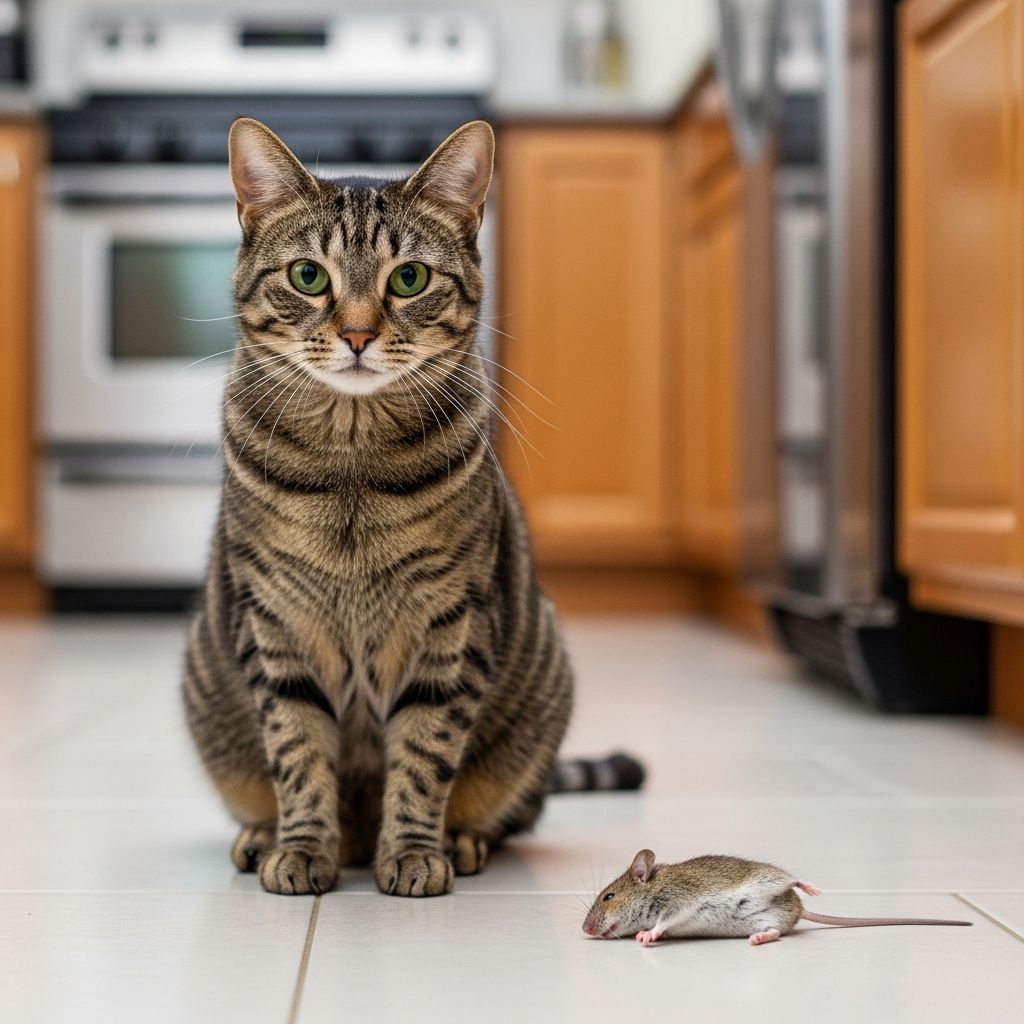
Cat Killed a Mouse: What to Do Next
Cats are natural hunters, and it’s common for them to bring home a dead or injured mouse. While this instinctual behavior is normal, it poses health risks to your cat, your family, and your home due to potential parasites, bacteria, viruses, and rodenticides in the rodent. This guide outlines the
8 essential steps
to safely handle the situation, monitor your cat’s health, and prevent future issues, based on veterinary recommendations.The 8 Steps To Follow If Your Cat Brings Home a Dead Mouse
When you discover your cat has killed a mouse, act quickly but calmly to minimize exposure to contaminants. Mice can carry fleas, ticks, hantavirus, leptospirosis, salmonella, and parasites like roundworms or toxoplasma, which are transmissible to cats and humans. Rodenticides from poisoned mice are a common secondary poisoning risk for pets. Follow these steps in order for safe cleanup and cat care.
1. Inspect & Secure Your Cat
The immediate priority is assessing your cat’s condition. Check for signs of illness such as
lethargy, vomiting, diarrhea, bleeding, wounds, or unusual behavior
. If your cat seems normal—alert, eating, and acting playfully—isolate them in a separate room to prevent further interaction with the mouse while you clean.However, if symptoms appear, such as weakness, tremors, or gastrointestinal upset, contact your veterinarian immediately or seek emergency care. Cats that ingest poisoned mice may show delayed signs of anticoagulant rodenticide poisoning (e.g., internal bleeding) or neurological issues from other toxins. Even without obvious symptoms, a vet visit is recommended within 24-48 hours, as subclinical infections can develop.
- Observe for 24-48 hours post-incident for vomiting, diarrhea, or pain.
- Prioritize indoor cats or those with access to rodenticides.
2. Suit Up
Before touching the mouse or affected area, protect yourself with
rubber or disposable gloves
. Mice and their droppings can transmit zoonotic diseases like hantavirus (potentially fatal to humans, especially immunocompromised individuals, pregnant women, or children) and bacterial infections.Spray insect repellent on your clothing, shoes, and exposed skin to deter fleas, which mice often carry and can infest your home. Wear old clothes you can discard or wash immediately afterward. Avoid direct skin contact at all costs—hygiene is critical to prevent cross-contamination.
3. Disinfect
Spray the mouse, surrounding area, any blood, urine, or droppings with an
EPA-registered disinfectant
(in the US) or equivalent. Let it soak for at least 5 minutes per product instructions. If unavailable, mix a homemade solution: 1 part household bleach to 9 parts water (1.5 cups bleach per gallon).Ensure good ventilation, as bleach fumes are irritating. Do not let your cat near the area until fully dry. Disinfectants kill pathogens like salmonella and hantavirus. For urine/droppings, use paper towels to soak up, then disinfect the surface underneath.
4. Place Dead Rodent In Bag
Using gloved hands, double-bag the mouse in plastic bags—seal tightly to contain fluids and odors. Avoid squeezing to prevent aerosolizing pathogens. If the mouse is alive or injured, isolate it if possible (e.g., close the door) before proceeding.
5. Dispose
Place the sealed bag in an outdoor trash bin with a tight lid, away from pets and wildlife. In cold weather, freeze it first if trash pickup is delayed. Never flush or bury, as this risks contaminating water or soil. If an infestation is suspected (multiple mice), contact professional pest control immediately.
6. Clean-Up
Wipe down all surfaces with disinfectant, vacuum fleas if present (dispose of bag outside), and wash fabrics in hot water. For carpets, steam clean. Check for hidden droppings in crevices, as mice are adept at sneaking through small gaps, including vents.
If the mouse was alive, consider traps (snap traps in cat-inaccessible areas) but prioritize pest control for safety. Indoor mice signal potential infestations, risking everyone’s health.
7. Washing Up
Remove gloves carefully (inside-out to avoid contact), then wash hands thoroughly with soap and water for 20 seconds. Shower if heavily exposed, launder clothes in hot water, and disinfect shoes. Change into clean attire to break contamination chain.
8. Veterinary Visit
Schedule a checkup regardless of symptoms. Vets may deworm (for parasites like Toxocara cati), test for rodenticides, or run bloodwork. Discuss flea preventives, vaccines, and diet. Farm or frequent hunter cats face higher risks—regular fecal exams are advised.
Monitor for 72 hours: appetite loss, pale gums (bleeding disorders), seizures, or jaundice signal emergencies.
If the Mouse Is Still Alive: Additional Steps
Live mice are trickier due to escape risk and bites/scratches transmitting diseases.
Isolate The Mouse (If Possible)
Close doors/windows to contain it. Mice squeeze through tiny spaces—use towels under doors. Do not attempt capture if stressed, as they urinate defensively (hantavirus vector).
Trap The Mouse (Optional)
Use snap traps baited with peanut butter in cat-proof spots. Check frequently. If caught, follow disposal steps. Clean urine/droppings meticulously.
Pest Control (Recommended)
Professionals handle live rodents safely, identify infestations, and use humane methods. Essential for homes with kids/pets.
Medical Care
For you: If fever, headache, or fatigue post-exposure, inform your doctor of rodent contact. Cats: Vet as above.
Health Risks from Mice for Cats and Humans
Mice transmit:
- Parasites: Fleas, ticks, roundworms, tapeworms, toxoplasma.
- Bacteria/Viruses: Leptospirosis, salmonella, hantavirus, lymphocytic choriomeningitis (LCMV).
- Toxins: Secondary rodenticide poisoning (e.g., brodifacoum causes coagulopathy).
| Risk Factor | Effects on Cats | Effects on Humans |
|---|---|---|
| Rodenticides | Bleeding, seizures, death | Rare secondary exposure |
| Parasites | GI upset, anemia | Zoonotic (e.g., toxoplasmosis) |
| Hantavirus | Rare | Respiratory failure |
Immunosuppressed or pregnant household members: Extra caution advised.
Preventing Future Incidents
Outdoor roaming exposes cats to predators, traffic, fights, and diseases—ecosystems suffer too. Solutions:
- Catio: Enclosed outdoor patio for safe hunting simulation.
- Leash Training: Harness walks for exercise and bonding.
- Indoor Enrichment: Toys, puzzles, window perches mimic prey.
- Pest Prevention: Seal entry points, store food securely.
- Health Protocol: Annual deworming, flea control, titer tests.
Fully indoor cats catching mice? Infestation likely—call exterminators promptly.
Frequently Asked Questions (FAQs)
Q: Is my cat okay if it just killed the mouse but didn’t eat it?
A: Likely fine, but monitor for 48 hours and consult a vet. Bites/scratches can transmit infections; no eating reduces risks but doesn’t eliminate them.
Q: What if my cat ate the mouse?
A: Higher risk of poisoning or parasites. Watch for symptoms; induce vomiting only under vet guidance. Seek care immediately if toxins suspected.
Q: Can humans get sick from cat-killed mice?
A: Yes, via hantavirus, salmonella. Use gloves, disinfect; high-risk groups (pregnant, elderly) should avoid entirely.
Q: How do I know if it’s a rodenticide issue?
A: Symptoms: bruising, bloody stool, weakness (2-5 days post-ingestion). Vet blood clotting tests confirm.
Q: Should I let my cat hunt outdoors?
A: No—risks outweigh benefits. Provide safe alternatives.
References
- Control of Communicable Diseases Manual: Hantavirus — American Public Health Association. 2022-01-15. https://www.apha.org/publications-books/control-of-communicable-diseases-manual
- Anticoagulant Rodenticide Poisoning in Cats — Merck Veterinary Manual (Merck & Co., Inc.). 2024-06-01. https://www.merckvetmanual.com/toxicology/rodenticide-poisoning/anticoagulant-rodenticide-poisoning
- Zoonotic Diseases from Rodents — Centers for Disease Control and Prevention (CDC). 2023-11-20. https://www.cdc.gov/rodents/diseases/index.html
- Toxoplasmosis in Cats — Cornell University College of Veterinary Medicine. 2024-03-10. https://www.vet.cornell.edu/departments-centers-and-institutes/cornell-feline-health-center/health-information/feline-health-topics/toxoplasmosis
- Small Animal Clinical Pharmacology — W.B. Saunders (Elsevier). 2008-02-01 (authoritative reference for toxicoses). https://www.elsevier.com/books/small-animal-clinical-pharmacology/maddison/978-0-7020-2858-8
Similar Articles







Read full bio of medha deb