

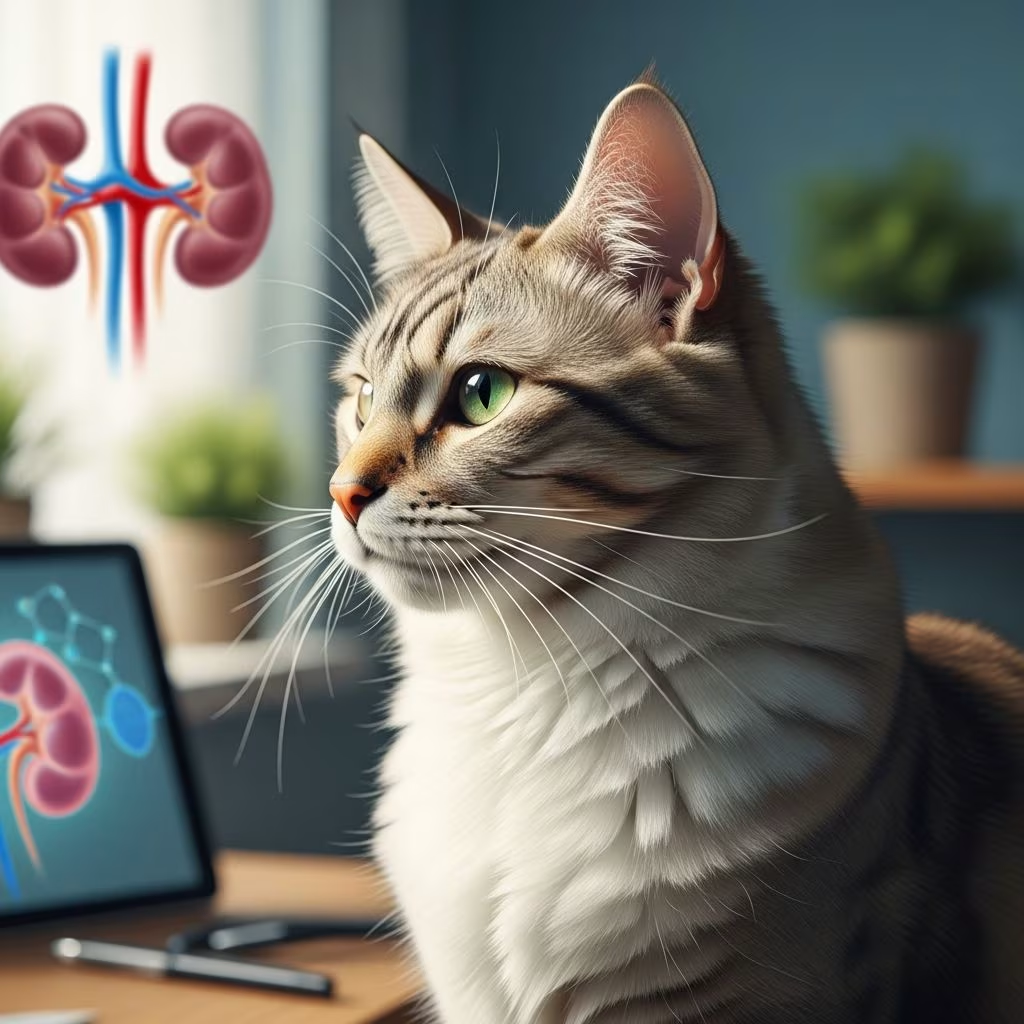
Healthy kidneys are vital for cats, filtering waste, balancing fluids, and producing essential hormones. Kidney issues, especially in older felines, demand proactive care to maintain quality of life.
Understanding Feline Renal Function
Cats’ kidneys perform critical tasks like toxin removal, blood pressure regulation, electrolyte balance, hydration control, calcium management, and red blood cell hormone production. When these organs falter, toxins accumulate, leading to severe health complications.
Types of Kidney Disorders in Cats
Kidney problems fall into two primary categories: acute and chronic.
Sudden Onset: Acute Kidney Injury
Acute kidney injury strikes rapidly, often within days, from triggers like toxins (pesticides, plants, human drugs), infections, trauma, dehydration, or blockages. It affects cats of all ages and can be reversible with prompt intervention, as kidneys regain function post-treatment.
Progressive: Chronic Kidney Disease
Chronic kidney disease (CKD) develops gradually over months or years, common in seniors—affecting up to 40% of cats over 10 and 80% over 15. Causes include aging, genetics, infections, dental issues, hypertension, and toxin exposure. Kidneys progressively lose filtering capacity, leading to irreversible damage.
Recognizing Warning Signs
Early CKD symptoms are subtle, but progression brings clear indicators:
- Increased thirst and urination due to dilute urine
- Appetite loss and weight decline
- Vomiting, lethargy, and poor coat quality
- Bad breath from toxin buildup
- Anemia and weakness from hormone deficits
Acute cases show sudden refusal to eat, collapse, or seizures. Senior cats warrant routine checks, as early detection extends life.
Diagnostic Approaches
Vets use comprehensive evaluations:
| Test | Purpose | Key Indicators |
|---|---|---|
| Bloodwork (BUN, Creatinine, SDMA, Phosphorus) | Assess filtration efficiency | Elevated levels signal impairment |
| Urinalysis | Check concentration, protein, infection | Dilute urine, proteinuria |
| Blood Pressure | Detect hypertension | Common CKD aggravator |
| Imaging (X-ray, Ultrasound) | Visualize stones, cysts | Structural abnormalities |
| Biopsy (if needed) | Confirm disease type | Glomerular issues |
Routine senior bloodwork catches early CKD, even in asymptomatic cats.
Core Treatment Strategies
Fluid Therapy and Hydration
Hydration counters dilute urine and toxin buildup. Provide unlimited fresh water, use fountains, multiple bowls, or wet food. Subcutaneous fluids at home maintain levels in advanced cases.
Specialized Nutrition
Renal diets are foundational, featuring:
- Moderate, high-quality protein to minimize waste
- Low phosphorus/sodium to slow damage
- High potassium, omega-3s, B-vitamins for support
- Enhanced palatability for picky eaters
Transition gradually; wet formats boost moisture.
Medications and Supplements
- Phosphate binders control blood phosphorus
- Antihypertensives manage pressure
- Anti-nausea drugs improve appetite
- Omega-3s reduce inflammation
- Vitamin injections address deficiencies
Surgery may clear blockages in acute scenarios.
Daily Management for Long-Term Success
Monitor weight, appetite, water intake weekly. Schedule vet visits every 3-6 months for bloodwork, adjusting plans as CKD stages advance (1-4, with 1 mildest). Home fluid admin, diet adherence, and stress reduction via calm environments help.
Preventive Measures for Kidney Wellness
Proactive steps reduce risk:
- Annual senior exams with blood panels
- Toxin-proof home (no lilies, antifreeze)
- Dental care prevents bacterial spread
- Balanced diet, ample water from youth
- Weight control avoids hypertension
Breeds like Persians may need extra genetic screening.
Prognosis Insights
Early CKD diagnosis yields years of quality life; Stage 2 cats average longer survival than later stages. Factors like proteinuria, high phosphorus, low RBCs predict poorer outcomes. Consistent care slows progression effectively.
Frequently Asked Questions
How common is kidney disease in cats?
Up to 80% of cats over 15 develop CKD.
Can diet reverse kidney failure?
No, but renal diets slow progression and ease symptoms.
Is subcutaneous fluid therapy painful?
Most cats tolerate it well with proper technique; vets train owners.
What home remedies help cat kidneys?
Focus on hydration, renal diet, vet monitoring—no unapproved supplements.
When is euthanasia considered for CKD?
In end-stage with unmanageable suffering; discuss quality of life with vets.
This guide empowers cat owners to safeguard renal health through vigilance and science-backed care.
References
- Kidney Failure in Cats – A Pet Parent’s Guide — Pacific Santa Cruz Vet. 2022-05-30. https://www.pacificsantacruzvet.com/site/blog/2022/05/30/cat-kidney-failure
- Nutrition for Cats with Chronic Kidney Disease — VCA Animal Hospitals. N/A. https://vcahospitals.com/know-your-pet/nutrition-for-cats-with-chronic-kidney-disease
- Caring for Your Cat: Navigating Kidney Disease with Love and Knowledge — Westerville Pets. N/A. https://westervillepets.com/caring-for-your-cat-navigating-kidney-disease-with-love-and-knowledge/
- Caring for Cats with Kidney Disease: A Complete Guide — Veteris. N/A. https://veteris.co.uk/petcare-advice/caring-for-cats-with-kidney-disease-a-complete-guide
- Managing Kidney Disease in Cats (Vet-Approved Guide) — Vets Love Pets. N/A. https://vetslovepets.com.au/blogs/cat/managing-kidney-disease-in-cats
- Chronic Kidney Disease — Cornell University College of Veterinary Medicine. 2025-01. https://www.vet.cornell.edu/departments-centers-and-institutes/cornell-feline-health-center/health-information/feline-health-topics/chronic-kidney-disease
- Kidney Disease in Cats: Signs, Causes, and Treatment — PetMD. N/A. https://www.petmd.com/cat/conditions/urinary/kidney-disease-cats



