

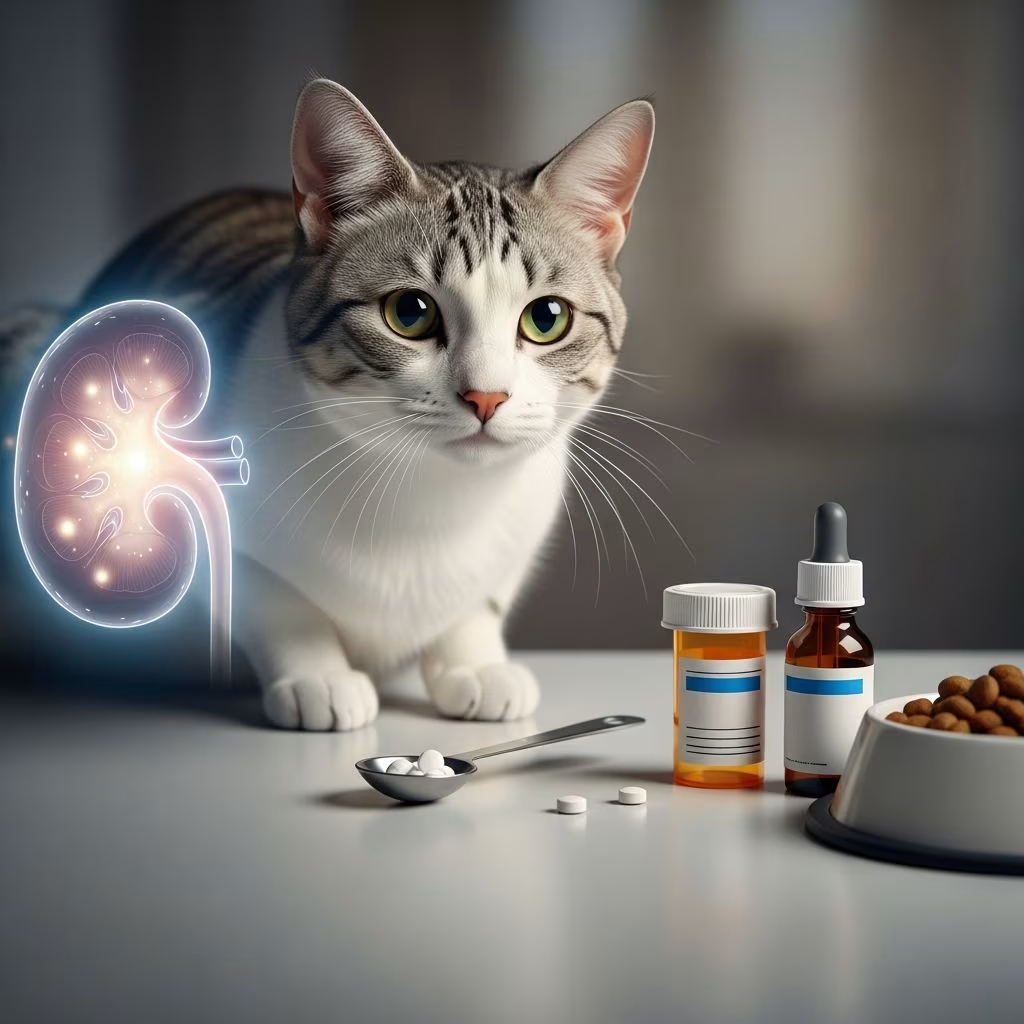
Understanding Cat Kidney Disease
Kidney disease is one of the most common health conditions affecting cats, particularly as they age. The kidneys are vital organs that filter waste products from the blood and help maintain proper hydration and electrolyte balance in your cat’s body. When the kidneys fail to function properly, harmful toxins accumulate in the bloodstream, leading to serious health complications. Understanding kidney disease in cats is essential for pet owners who want to provide the best possible care and quality of life for their feline companions. Early detection and appropriate management can significantly slow disease progression and extend your cat’s lifespan.
What Is Cat Kidney Disease?
Feline kidney disease, also known as renal disease, refers to the progressive loss of kidney function in cats. The kidneys are responsible for filtering waste products and maintaining fluid balance in your cat’s body. When these organs aren’t functioning properly, it can lead to a dangerous buildup of waste in the body. The condition is typically irreversible, meaning once kidney damage occurs, it cannot be fully restored. However, with proper treatment and management, many cats can maintain stable kidney function for extended periods and enjoy a good quality of life.
Types of Kidney Disease in Cats
There are two main categories of kidney disease in cats: acute renal failure and chronic kidney disease (CKD). Understanding the differences between these types is crucial for recognizing symptoms and seeking appropriate treatment.
Acute Renal Failure
Acute kidney failure occurs suddenly, typically developing within days or weeks. This type of kidney failure can happen in cats of any age and often results from specific triggering events. If diagnosed and treated promptly, acute renal failure can sometimes be reversed, making early intervention critical. Acute kidney failure is considered a medical emergency and typically requires extensive hospitalization and treatment. Common causes include toxin exposure from poisonous plants, pesticides, cleaning fluids, and human medications. Other potential causes include trauma, infection, organ failure, urethral blockages, and severe dehydration.
Chronic Kidney Disease (CKD)
Chronic kidney disease develops gradually over months or even years, making it the more common form of kidney disease in cats, particularly in older animals. This progressive illness causes the kidneys to gradually lose their ability to filter toxins from the blood. Chronic kidney disease is typically caused by autoimmune diseases, kidney cysts, and genetic factors. Unlike acute kidney failure, chronic kidney disease is generally irreversible, though proper management can slow its progression and help your cat maintain a good quality of life for years after diagnosis.
Common Causes of Kidney Disease in Cats
Various factors can contribute to the development of kidney disease in cats. Understanding these causes can help pet owners take preventive measures and recognize risk factors in their own cats.
Dehydration
One of the most significant contributors to kidney disease in cats is chronic dehydration. Cats have a naturally low drive to drink water, which means they often become dehydrated without feeling thirsty. This dehydration can contribute to urinary tract infections and chronic kidney disease. Diet plays an important role in hydration—feeding your cat dry food can contribute to kidney problems, while wet or canned food helps keep them hydrated and healthy. Maintaining proper hydration is essential for cats with kidney disease, as dehydration can accelerate kidney damage and worsen clinical signs.
Toxin Exposure
Exposure to various toxins is one of the most common causes of acute kidney failure in cats. These toxins include poisonous plants, pesticides, cleaning fluids, and human medications. Additionally, certain foods and substances commonly found in homes can be toxic to cats. Pet owners should be vigilant about storing harmful substances safely and being aware of toxic plants that may be kept in their homes.
Infections and Blockages
Infections in the urinary tract or bladder can damage kidney function, particularly when they progress to kidney infections. Urethral blockages prevent proper urine flow and can lead to acute kidney failure if not treated promptly. Cats with chronic kidney disease are particularly susceptible to developing bladder infections, increasing the risk of kidney infections.
Genetic and Age-Related Factors
Some cats are predisposed to kidney disease through genetic factors or inherited conditions. Additionally, kidney disease becomes increasingly common as cats age, with older cats having a higher prevalence of chronic kidney disease.
Symptoms and Signs of Kidney Disease
Recognizing the symptoms of kidney disease is crucial for early detection and intervention. Symptoms vary depending on the stage and severity of the disease, but awareness of common signs can help you seek veterinary care promptly.
General Symptoms
Common symptoms of kidney disease in cats include:
- Increased thirst and excessive drinking
- Frequent urination or increased urination
- Weight loss
- Decreased appetite or anorexia
- Lethargy and listlessness
- Depression and behavioral changes
- Bad breath with a chemical or ammonia-like odor
- Vomiting, sometimes tinged with blood
- Diarrhea, which may contain blood
- General weakness and muscle weakness
- Dehydration
Acute Kidney Failure Specific Symptoms
In addition to general symptoms, cats with acute kidney failure may display an arched back or stiff-legged gait, indicating that the failing kidneys are causing pain.
Advanced Stage Symptoms
As kidney disease progresses to end-stage, additional symptoms may develop, including pale gums, oral ulcers, and possible blindness due to retinal detachment caused by high blood pressure.
Stages of Chronic Kidney Disease
Veterinarians classify chronic kidney disease in cats into four stages, each with distinct characteristics and recommended treatments. Understanding these stages helps pet owners comprehend their cat’s condition and the appropriate care needed.
Stage 1: Early Kidney Disease
In Stage 1, cats typically do not show any noticeable symptoms, though a veterinarian may notice mild kidney abnormalities on blood work results. Treatment is not usually required at this stage, but regular veterinary checkups every 6 months are important for monitoring kidney function and catching any changes early.
Stage 2: Moderate Kidney Disease
Cats at Stage 2 may begin to show symptoms such as weight loss, dehydration, decreased appetite, and increased thirst and urination. At this stage, veterinarians typically recommend transitioning your cat to a therapeutic kidney diet designed to reduce the burden on their kidneys.
Stage 3: Moderate-Severe Kidney Disease
Stage 3 symptoms include all of the above conditions, and treatment typically includes subcutaneous fluids to maintain proper hydration. These at-home fluid administrations help keep your cat’s hydration levels stable and support kidney function.
Stage 4: End-Stage Kidney Disease
Cats at Stage 4 are approaching kidney failure and may experience additional symptoms including pale gums, oral ulcers, and possible blindness. Treatment at this stage focuses on managing symptoms and complications such as high blood pressure. Cats may be prescribed anti-nausea medications and may require a feeding tube to maintain adequate nutrition.
Diagnosis of Kidney Disease
Proper diagnosis is essential for confirming kidney disease and determining the appropriate treatment plan. Your veterinarian will perform a comprehensive examination and may recommend several diagnostic tests to evaluate your cat’s kidney function and overall health.
Diagnostic Tests
Your veterinarian will likely recommend blood and urine tests as the primary diagnostic tools for evaluating kidney function. These tests measure creatinine and blood urea nitrogen (BUN) levels, which indicate how well the kidneys are filtering waste. X-rays and ultrasound imaging may also be performed to visualize the kidneys and check for abnormalities such as cysts, tumors, or blockages. In some cases, a kidney biopsy may be required to determine the specific cause of kidney disease. Additionally, routine urine cultures are recommended for cats with chronic kidney disease to detect and prevent bladder and kidney infections.
Treatment Options for Cat Kidney Disease
While kidney disease cannot always be cured, especially in chronic cases, several treatment options can help manage the condition and improve your cat’s quality of life. Treatment varies depending on the severity and stage of the disease, and your veterinarian will recommend a personalized treatment plan for your cat.
Therapeutic Diets
One of the most important treatments for cats with kidney disease is a restricted diet designed to reduce kidney workload. Therapeutic kidney diets are lower in protein and phosphorus, which helps reduce waste products in the bloodstream and minimize toxin buildup. These diets can be prepared at home or obtained from your veterinary practice. Studies show that cats with chronic kidney disease fed a renal support diet live twice as long as cats fed a maintenance diet. Cats should not be switched to a kidney diet until their kidneys cannot process normal levels of dietary protein or phosphorus, so consult with your veterinarian about when this transition is appropriate.
Hydration Management
Maintaining good hydration is essential for cats with kidney disease, as dehydration can accelerate kidney damage and worsen clinical signs. Strategies to increase water intake include feeding wet food, providing a water fountain, leaving a dripping faucet, or offering flavored water such as low-sodium chicken or beef broth. Many cats tolerate subcutaneous fluids (fluids given under the skin) well, and these can significantly improve quality of life, particularly in later stages of the disease.
Supplements and Medications
Several supplements and medications can help manage kidney disease symptoms and slow disease progression:
- Phosphate Binders: Oral phosphate binders such as aluminum hydroxide help lower the amount of phosphorus absorbed through the gut wall, as some cats maintain elevated blood phosphorus levels despite dietary restrictions.
- Potassium Supplementation: Cats in renal failure tend to lose too much potassium in their urine, leading to muscle weakness, stiffness, and poor hair quality. Low potassium levels may also contribute to worsening kidney failure, making supplementation important.
- B Vitamins: When failing kidneys cannot concentrate urine, water-soluble vitamins like B12 become depleted. Affected cats need supplementation to maintain proper nutritional status.
- Anti-Emetics: For cats experiencing vomiting, anti-nausea medications reduce nausea and improve appetite.
- Anemia Treatments: Many cats with chronic kidney disease develop anemia due to lack of bone marrow stimulation. Newer drugs have been developed to help stimulate bone marrow production and may be prescribed for your cat.
- Antibiotics: Routine antibiotic treatment may be necessary for cats prone to urinary tract infections, which are more common in cats with chronic kidney disease.
Advanced Treatments
For cats with more advanced disease, additional treatment options may include dialysis, intravenous fluid therapy, IV medications, and feeding tubes. These intensive treatments are typically reserved for cats in end-stage kidney failure or those requiring hospitalization for acute kidney failure.
Treating Acute Kidney Failure
Acute kidney failure is considered a medical emergency requiring extensive hospitalization and treatment. The goals of treatment include resolving the underlying cause if possible, minimizing symptoms, and preserving and healing as much kidney function as possible. Intravenous fluids are commonly used to correct dehydration and support kidney function during the acute phase.
Prognosis and Long-Term Outlook
The prognosis for cats with kidney disease depends on several factors, including the type and stage of the disease, the underlying cause, and how early the disease is detected and managed. While kidney disease typically cannot be cured, particularly in chronic cases, proper treatment can stabilize kidney function for extended periods. With appropriate management and care, cats can maintain stable kidney function and enjoy a good quality of life for years after diagnosis. In fact, with proper treatment, cats with as little as 5% kidney function can survive for a long time.
Prevention and Early Detection
While not all kidney disease can be prevented, certain measures can help reduce risk and catch the disease early when treatment is most effective. Regular veterinary checkups, particularly for cats over 7 years of age, allow for early detection of kidney abnormalities through blood and urine testing. Maintaining proper hydration by feeding wet food and encouraging water intake helps prevent dehydration-related kidney damage. Keeping your home free of toxic substances and plants reduces the risk of acute kidney failure from toxin exposure. Additionally, ensuring your cat receives high-quality nutrition and maintaining a healthy weight supports overall kidney health.
Frequently Asked Questions
Q: Can kidney disease in cats be cured?
A: While kidney disease typically cannot be cured, especially chronic kidney disease, early detection and proper management can slow its progression and maintain your cat’s quality of life for years. Some cases of acute kidney failure can be reversed if caught early and treated promptly.
Q: How long can a cat live with kidney disease?
A: The lifespan of a cat with kidney disease varies depending on the stage, underlying cause, and how well the disease is managed. With proper treatment, cats can live for several years after diagnosis. Cats fed a therapeutic kidney diet live approximately twice as long as those fed a regular diet.
Q: What diet should I feed my cat with kidney disease?
A: Cats with kidney disease benefit from a therapeutic diet lower in protein and phosphorus. Wet or canned food is preferable to dry food as it helps maintain hydration. Consult your veterinarian for a diet recommendation tailored to your cat’s specific stage of kidney disease.
Q: How often should I take my cat to the vet if they have kidney disease?
A: Regular veterinary checkups are essential for monitoring kidney function and adjusting treatment as needed. Cats with early-stage disease may be checked every 6 months, while those with advanced disease typically require more frequent visits.
Q: Are there any home treatments for cat kidney disease?
A: While home care cannot cure kidney disease, it plays an important role in management. Providing a therapeutic diet, ensuring adequate hydration, administering prescribed medications and supplements, and potentially giving subcutaneous fluids at home can all help manage the condition effectively.
References
- Causes and Treatments of Kidney Failure in Cats — South Wilton Veterinary Group. 2021-04-08. https://www.southwiltonvet.com/site/blog-fairfield-county-vet/2021/04/08/causes-and-treatments-of-kidney-failure-in-cats
- Chronic Kidney Disease in Cats — VCA Animal Hospitals. https://vcahospitals.com/know-your-pet/kidney-failure-chronic-in-cats
- A Guide to Kidney Disease In Cats — GoodRx Pet Health. https://www.goodrx.com/pet-health/cat/kidney-disease-in-cats-symptoms-treatment
- Renal Disease in Cats: Symptoms and Treatment — Rock Animal Clinic. https://rockanimal.com/articles/renal-disease-in-cats
- Renal Disease in Cats: Symptoms and Treatment — Wellspring Veterinary. https://wellspringvet.net/articles/renal-disease-in-cats
- Kidney Failure in Cats: Symptoms, Stages and Causes — PetMD. https://www.petmd.com/cat/conditions/urinary/kidney-failure-in-cats
- Kidney Disease in Cats: Causes, Signs, and Treatment — Best Friends Animal Society. https://bestfriends.org/pet-care-resources/kidney-disease-cats-causes-signs-and-treatment



