

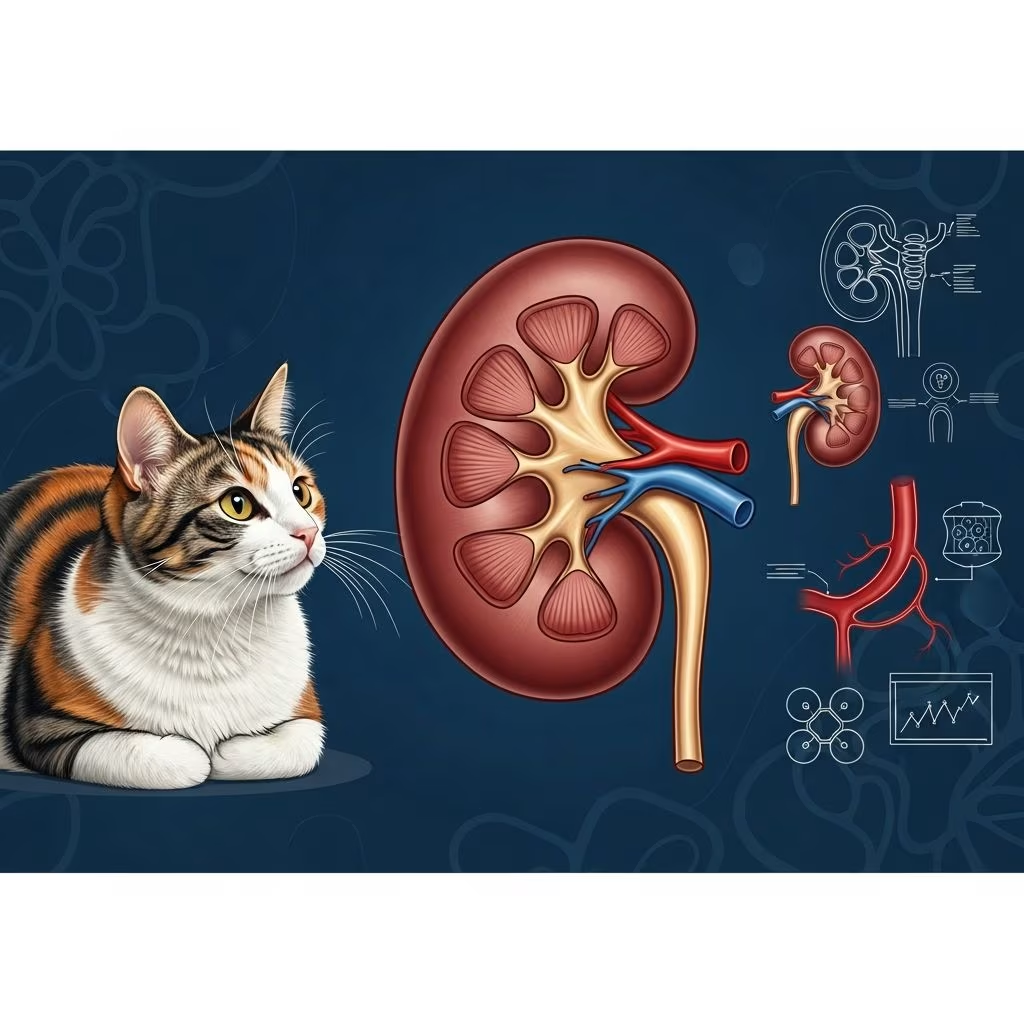
Renal disorders represent one of the most prevalent health challenges in felines, particularly as they age. These conditions impair the kidneys’ ability to filter waste, regulate fluids, and maintain electrolyte balance, leading to progressive deterioration if unmanaged. Early detection through vigilant observation of behavioral changes can significantly influence outcomes, allowing for interventions that extend life expectancy and enhance comfort.
Understanding Feline Renal Function
The kidneys in cats serve critical roles beyond mere filtration. They produce hormones essential for red blood cell generation, control blood pressure, and activate vitamin D for bone health. When functionality declines, toxins accumulate in the bloodstream, triggering a cascade of systemic issues. Cats’ natural low thirst drive exacerbates vulnerability, as chronic mild dehydration stresses these organs over time.
Healthy kidneys process approximately 20-30 times their blood volume daily, a remarkable efficiency that falters subtly in early disease stages, often evading notice until advanced.
Distinguishing Acute and Chronic Forms
Kidney disease manifests in two primary patterns: acute kidney injury (AKI), which strikes suddenly, and chronic kidney disease (CKD), a gradual progression.
Acute Kidney Injury
AKI develops rapidly, often within days, due to sudden insults like toxin exposure or trauma. It is potentially reversible with prompt care. Common triggers include ingestion of antifreeze (ethylene glycol), lilies, NSAIDs such as ibuprofen, or rodenticides containing vitamin D analogs like cholecalciferol, which elevate calcium and phosphorus to nephrotoxic levels. Other factors encompass urinary blockages, severe infections, heatstroke, or snakebites. Cats may exhibit acute pain signs like arched backs or stiff gait.
Chronic Kidney Disease
CKD evolves over months or years, predominantly affecting senior cats over seven years. It stems from irreversible scarring, often idiopathic but linked to genetics, hypertension, or polycystic formations. Unlike AKI, CKD is progressive and irreversible, though manageable to delay end-stage. By stage 2, proteinuria and phosphate elevation predict faster decline.
| Aspect | Acute Kidney Injury | Chronic Kidney Disease |
|---|---|---|
| Onset | Sudden (days/weeks) | Gradual (months/years) |
| Reversibility | Often yes, with treatment | Irreversible, progressive |
| Common Causes | Toxins, infections, blockages | Age, genetics, hypertension |
| Prognosis | Good if early intervention | Manageable for years |
Recognizing Warning Signs
Subtle initial symptoms mimic aging, delaying diagnosis. Key indicators include:
- Excessive thirst (polydipsia) and urination (polyuria), as impaired concentration leads to dilute urine[10].
- Lethargy, weakness, and muscle wasting from anemia and toxin buildup.
- Appetite loss, weight reduction, and vomiting, sometimes blood-tinged.
- Bad breath (uremic halitosis), oral ulcers, pale gums, and dehydration.
- Diarrhea, hypertension signs like blindness, or neurological issues in advanced cases.
Owners often note increased water bowl consumption first. In seniors, monitor for these persistently, as up to 30-50% of cats over 15 develop CKD.
Diagnostic Approaches
Veterinarians employ a multi-faceted evaluation. Initial bloodwork assesses creatinine, blood urea nitrogen (BUN), and symmetric dimethylarginine (SDMA) for early detection. Urinalysis checks concentration, protein, and crystals. Imaging via ultrasound or X-rays identifies structural anomalies, while blood pressure measurement detects hypertension. Biopsies are rare but confirmatory.
Staging per International Renal Interest Society (IRIS) guides therapy: Stage 1 (mild), up to Stage 4 (end-stage uremia).
Comprehensive Treatment Strategies
Management targets symptom control, progression slowdown, and quality of life enhancement. No cure exists for CKD, but cats on renal support diets survive twice as long as those on standard food.
Nutritional Interventions
Renal diets are cornerstone, restricting protein, phosphorus, and sodium while providing high-quality, digestible sources. Phosphorus binders like chitosan or calcium carbonate supplement control hyperphosphatemia, reducing parathyroid hormone and tissue damage. Transition gradually over weeks for palatability. Wet foods promote hydration, countering dry kibble’s dehydrating effect.
Fluid and Hydration Therapy
Hydration prevents toxin concentration. Strategies include fountains, broth-flavored water, or subcutaneous fluids administered at home, improving appetite and vitality. Hospitalized AKI cases receive IV fluids.
Pharmacological Support
Treatments address complications:
- Anti-nausea drugs and appetite stimulants for uremia.
- ACE inhibitors like benazepril for proteinuria (>0.4 UPC), enhancing appetite though not survival.
- Potassium supplements for hypokalemia.
- Anemia management with erythropoietin mimics.
- Antihypertensives and antibiotics as needed.
Advanced Interventions
For severe cases, options include dialysis (continuous renal replacement therapy) or transplants, available at specialized centers with variable success. Surgery resolves blockages or tumors. Palliative care focuses on comfort in terminal stages.
Daily Home Management Tips
Post-diagnosis, owners play pivotal roles:
- Provide multiple fresh water stations and running fountains.
- Switch to prescription wet renal food exclusively.
- Administer meds consistently; learn sub-Q fluid techniques.
- Monitor weight, water intake, and litter box output weekly.
- Avoid toxins: secure plants, medications, antifreeze.
Regular vet checkups every 3-6 months adjust plans per IRIS stage.
Prevention for Long-Term Wellness
Proactive measures mitigate risks:
- Feed moist diets to sustain hydration.
- Annual senior bloodwork from age 7 detects subclinical issues.
- Maintain ideal weight to lessen organ strain.
- Promptly treat urinary infections or hypertension.
- Environmental safety: no lilies, secure human drugs.
Evidence shows phosphate-restricted diets in early CKD extend survival significantly.
Frequently Asked Questions
How long can cats live with kidney disease?
With treatment, many survive 1-3 years post-diagnosis, some longer in early stages. Renal diets double survival time.
Is dry food harmful for cats with kidney issues?
It contributes to dehydration; wet foods are preferable for moisture content.
Can kidney disease be cured?
AKI often reverses; CKD is managed, not cured.
What are the first signs of kidney failure?
Increased thirst/urination, lethargy, and appetite decline[10].
Should I give my cat subcutaneous fluids at home?
Yes, if vet-trained; it boosts hydration effectively.
Prognosis and Emotional Support
While daunting, advancements like targeted diets and therapies offer hope. Cats retain affection and playfulness with proper care. Owners should connect with support groups and prioritize euthanasia discussions for humane endpoints, ensuring dignified final days.
References
- Kidney disease in cats: Types, symptoms, and treatments — Vetster. 2023. https://vetster.com/en/wellness/kidney-disease-in-cats-types-symptoms-and-treatments
- Causes of and Treatments for Kidney Failure in Cats — South Wilton Veterinary Hospital. 2021-04-08. https://www.southwiltonvet.com/site/blog-fairfield-county-vet/2021/04/08/causes-and-treatments-of-kidney-failure-in-cats
- Feline CKD: Current therapies – what is achievable? — PMC (PubMed Central). 2024. https://pmc.ncbi.nlm.nih.gov/articles/PMC10816691/
- Kidney Disease in Cats | Causes, Symptoms & Treatment — Bliss Animal Hospital. 2023. https://blissanimalhospital.com/blog/kidney-disease-in-cats-symptoms-treatment-orange-county/
- How to Detect & Treat Kidney Disease in Cats — HVHD Anville. 2023. https://hvhdanville.com/how-to-detect-treat-kidney-disease-in-cats/
- Kidney Disease in Cats: Causes, Signs, and Treatment — Best Friends Animal Society. 2023. https://bestfriends.org/pet-care-resources/kidney-disease-cats-causes-signs-and-treatment
- Kidney Failure in Cats: Symptoms, Stages and Causes — PetMD. 2023. https://www.petmd.com/cat/conditions/urinary/kidney-failure-in-cats



