

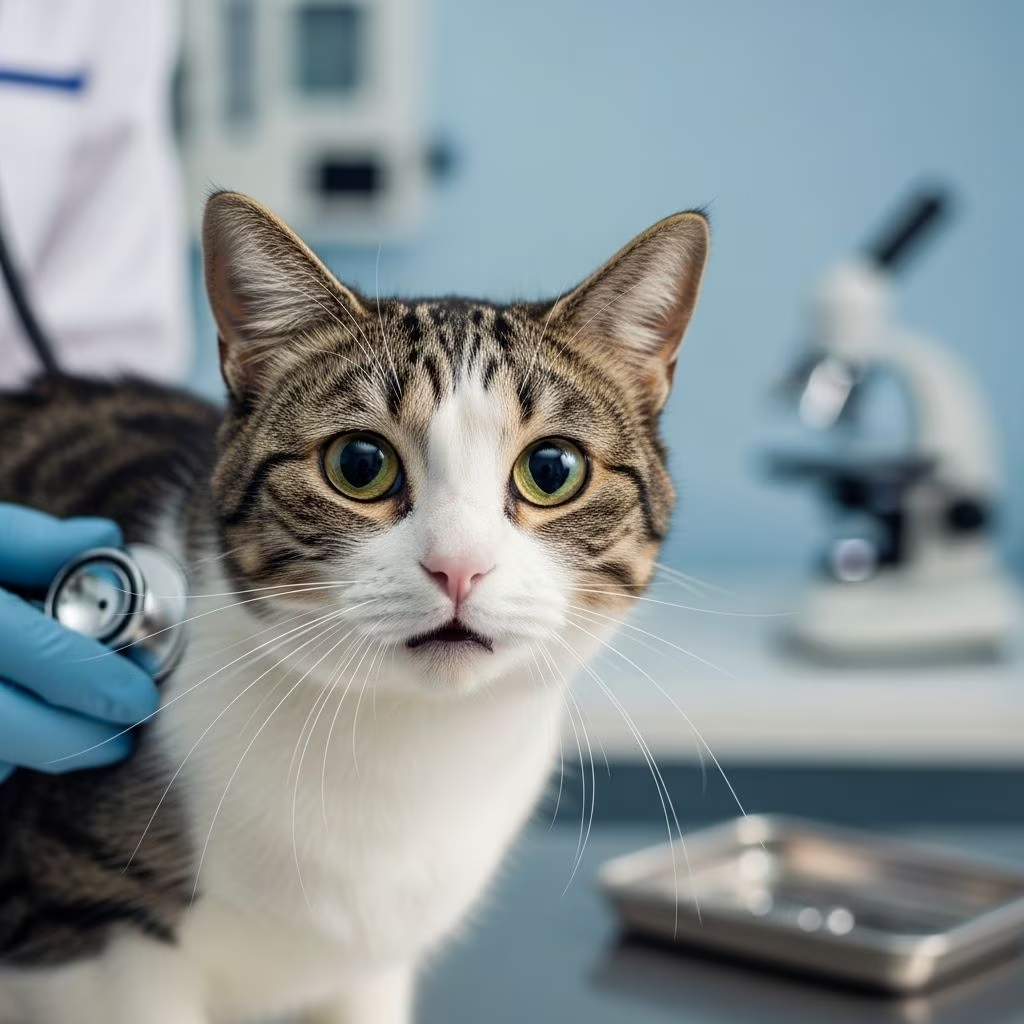
Kennel cough, primarily linked to Bordetella bronchiseptica, affects cats with a dry, honking cough, mimicking the canine version but adapted to feline physiology. Early diagnosis prevents progression to pneumonia.
Recognizing Early Warning Signs in Cats
Cats with kennel cough often exhibit a sudden onset of coughing 5-10 days post-exposure, sounding like a goose honk, triggered by throat palpation. Watch for retching, gagging, or mild fever; severe cases show purulent discharge, lethargy, and anorexia.
- Dry, hacking cough worsening with excitement or pressure on the trachea.
- Clear nasal discharge turning yellow/green if bacterial secondary infection develops.
- Mild breathing difficulties or wheezing in advanced stages.
- Reduced appetite and energy, especially in multi-cat homes or shelters.
Stress from poor nutrition or environment exacerbates symptoms, prolonging recovery.
Common Triggers and Risk Factors
This highly contagious respiratory condition spreads via airborne droplets in crowded settings like catteries or vet clinics. Bordetella bronchiseptica is primary, with viruses like feline calicivirus or herpesvirus contributing.
| Risk Factor | Description | Prevalence |
|---|---|---|
| Boarding/ Shelters | High exposure to infected cats | High |
| Young/ Senior Cats | Weakened immunity | Medium-High |
| Unvaccinated | No protection against Bordetella | High |
| Stressful Environments | Lowers defenses | Medium |
Kittens over 3 weeks and adults in groups face highest risk.
Step-by-Step Diagnostic Process
Veterinarians start with history: exposure timing, cough duration (dry vs. productive), and concurrent signs. Physical exams confirm trachea sensitivity.
- History and Exam: Note 5-10 day incubation; palpate larynx for induced cough.
- Radiographs: Thoracic X-rays rule out pneumonia or other issues; normal in mild cases.
- Lab Tests: Blood work checks infection/inflammation; fecal for parasites like roundworms migrating to lungs.
- Swabs and PCR: Nasal/tracheal samples detect Bordetella or viruses.
- Advanced Imaging: Ultrasound or bronchoscopy for persistent coughs, assessing airways/fluid.
Differentiate from asthma (wheezing), allergies (seasonal), heartworm, or tumors via these targeted tests.
Treatment Strategies for Feline Cases
Mild infections resolve in 7-14 days with rest; severe ones need intervention.
- Supportive Care: Hydration, humidifiers, rest in quiet spaces; honey (1/2 tsp) soothes throat.
- Antibiotics: Doxycycline (5-10 mg/kg every 12-24h for 7-10 days) first-line for Bordetella. Alternatives: amoxicillin-clavulanate or enrofloxacin.
- Cough Management: Avoid suppressants unless no pneumonia; use hydrocodone or butorphanol sparingly.
- Anti-Inflammatories: Inhaled corticosteroids like fluticasone for inflammation without systemic effects.
IV fluids and oxygen for dyspneic cats; culture-guided antibiotics if resistant.
Differentiating from Similar Conditions
Not all coughs are kennel cough; use this table for quick comparison.
| Condition | Key Symptoms | Diagnostic Clue |
|---|---|---|
| Asthma | Wheezing, open-mouth breathing | Bronchodilator response, X-rays |
| Heartworm | Cough + lethargy | Blood test positive |
| Parasites | Cough + GI signs | Fecal exam |
| Pneumonia | Productive cough, fever | X-ray infiltrates |
Prompt vet visit if cough persists >few days, productive, or with fever.
Prevention Through Vaccination and Hygiene
Intranasal avirulent Bordetella vaccines for at-risk cats >3 weeks; combine with parainfluenza for broader coverage.
- Quarantine new cats 2 weeks.
- Clean environments reduce aerosols.
- Boost immunity with balanced diet, low stress.
Vaccinate before boarding; annual boosters in high-risk settings.
Home Monitoring and When to Escalate
Track symptoms daily: worsening cough, refusal to eat >24h, labored breathing demand immediate care. Provide steam therapy, ensure water intake.
Most recover fully without sequelae if managed early.
Frequently Asked Questions (FAQs)
Can indoor cats get kennel cough?
Yes, via visitors or shared spaces; contagion is airborne.
Is kennel cough fatal in cats?
Rarely in healthy cats; risky for immunocompromised.
How long does recovery take?
7-20 days typically; longer with complications.
Are natural remedies effective?
Honey aids soothing; not curative—vet care essential.
Should I vaccinate my cat?
Recommended for multi-cat homes or boarding.
References
- Kennel Cough – Respiratory System — MSD Veterinary Manual. 2023. https://www.msdvetmanual.com/respiratory-system/respiratory-diseases-of-small-animals/kennel-cough
- Common Causes of Coughing in Cats — Trudell Animal Health. 2024. https://trudellanimalhealth.com/blogs/blog/common-causes-of-coughing-in-cats
- Coughing Cat: How to Differentiate Kennel Cough from Allergies or Infection — NMS Pet Emergency. 2023. https://nmspetemergency.com/coughing-cat-how-to-differentiate-kennel-cough-from-allergies-or-infection/
- Cat Coughing: Why It Happens and When To Call Your Vet — PetMD. 2024. https://www.petmd.com/cat/symptom/cat-coughing
- GUIDELINE for Bordetella bronchiseptica infection in cats — ABCD cats & vets. 2017 (authoritative guideline). https://www.abcdcatsvets.org/guideline-for-bordetella-bronchiseptica-infection-in-cats/
- Antimicrobial use Guidelines for Treatment of Respiratory Tract Disease — PMC (NCBI). 2017. https://pmc.ncbi.nlm.nih.gov/articles/PMC5354050/



