

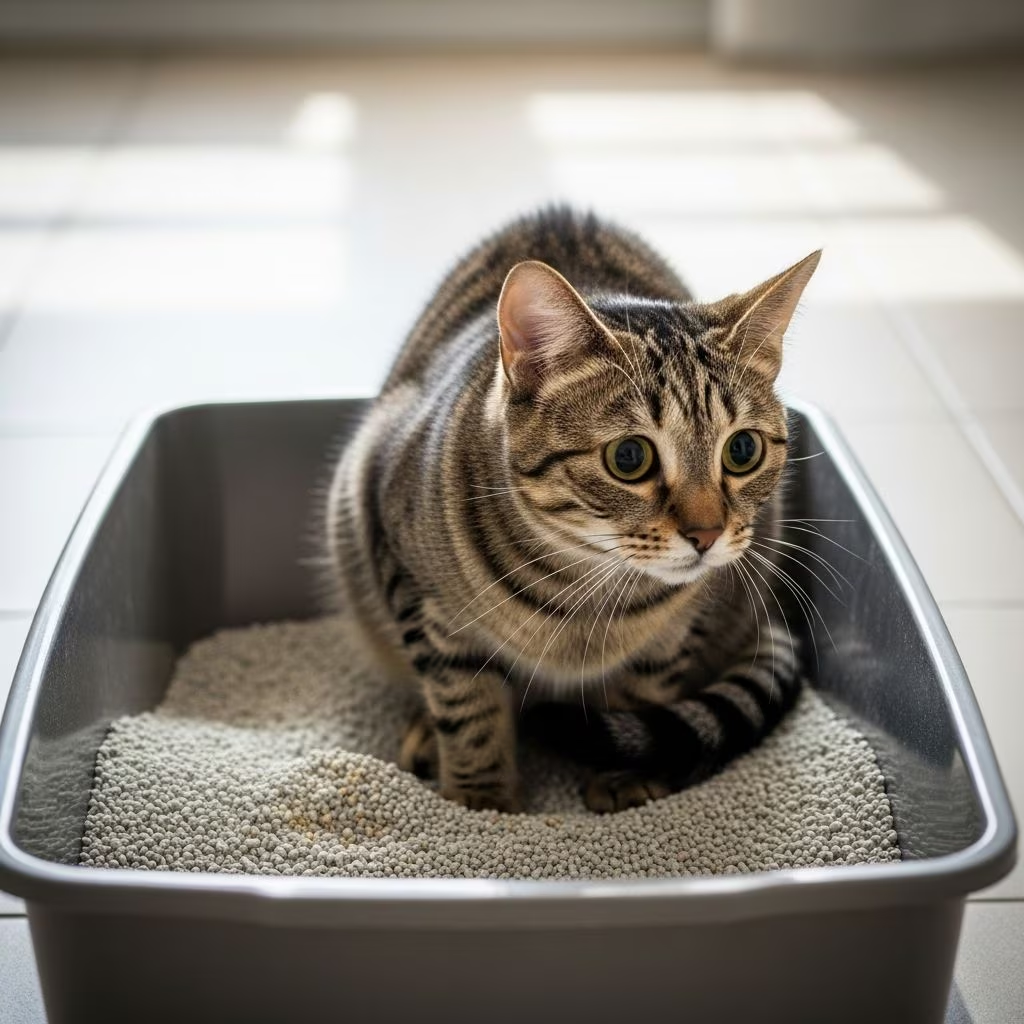
Why Does Your Cat Keep Going to the Litter Box But Nothing Happens?
If you’ve noticed your feline companion making frequent trips to the litter box without actually producing waste, you’re not alone. This behavior can be puzzling and concerning for cat owners. There are numerous reasons why cats exhibit this behavior, ranging from serious medical conditions to environmental and behavioral factors. Understanding the underlying cause is essential for determining the appropriate course of action and ensuring your cat’s health and comfort.
The two most common scenarios involve either a cat urinating more frequently than normal or a cat repeatedly attempting to urinate without being able to do so. Similarly, your cat may be trying to defecate but experiencing difficulty due to constipation or other digestive issues. While some causes are benign and easily resolved, others require immediate veterinary attention.
Medical Reasons for Frequent Litter Box Visits
Urinary Tract Infections (UTIs)
One of the most common medical causes of frequent litter box visits is a urinary tract infection. Cats with UTIs experience discomfort and urgency when urinating, leading them to make more frequent trips to the litter box in an attempt to relieve the pressure. A UTI can affect cats of any age, though they are more common in older or immunocompromised cats.
In addition to frequent litter box visits, cats with UTIs may display other symptoms such as straining, vocalization during urination, or blood in the urine. If you suspect your cat has a UTI, schedule a veterinary appointment promptly, as these infections are treatable with antibiotics.
Bladder Stones and Blockages
Bladder stones (uroliths) and urethral blockages are serious medical conditions that cause cats to strain during attempts to urinate. These conditions are more common in male cats due to their narrower urethras. A completely blocked urethra is a medical emergency and requires immediate veterinary intervention, as a cat cannot urinate at all in this situation.
Signs of a potential blockage include straining for extended periods, inability to produce urine, restlessness, loss of appetite, and lethargy. If your male cat has not urinated for 24 hours or longer, seek emergency veterinary care immediately.
Constipation
When a cat keeps going to the litter box but nothing happens, constipation may be the culprit rather than a urinary issue. Constipation is particularly common in middle-aged to geriatric cats, typically those around 8 years of age or older. If left untreated, chronic constipation can lead to megacolon, an abnormal enlargement of the colon that can be chronically difficult and expensive to manage.
Causes of Cat Constipation
Several factors contribute to constipation in cats:
- Insufficient dietary fiber
- Anxiety or stress
- Kidney issues or chronic kidney disease
- Dry food diet without adequate moisture
- Insufficient water intake
- Sedentary lifestyle or lack of physical activity
Signs of Constipation
Cat owners should watch for the following indicators of constipation:
- Decreased appetite
- Hiding or withdrawn behavior
- Vomiting
- Stiff or abnormal walking
- Weight loss
- Straining in the litter box without productive results
Inflammatory Bowel Disease (IBD)
Inflammatory bowel disease is a chronic condition that affects the digestive tract and can cause cats to visit the litter box more frequently. IBD may result in diarrhea or constipation and can make cats feel uncomfortable or ill. This condition typically requires veterinary diagnosis and ongoing management with dietary modifications or medication.
Other Medical Conditions
Additional medical issues that can cause frequent litter box visits without productive results include:
- Diabetes: Increased thirst and urination are hallmark symptoms
- Chronic kidney disease: Common in older cats and causes increased urination
- Hyperthyroidism: Often seen in senior cats and increases metabolic rate and urination
- Feline idiopathic cystitis (FIC): A condition of unknown origin affecting the bladder
Environmental and Behavioral Factors
Dirty Litter Box
Cats are naturally clean animals with fastidious bathroom habits. If a litter box isn’t scooped regularly, your cat may make frequent trips to the box in search of a clean spot to eliminate. Without daily scooping, cats may become discouraged and avoid using the box altogether. A clean litter box is essential to good cat health, so establishing a daily scooping routine is fundamental to preventing litter box issues.
Litter Box Size and Type
The size and design of the litter box significantly impact a cat’s willingness to use it. A litter box should be large enough for your cat to comfortably turn around and position themselves for elimination. As cats grow or age, they may outgrow smaller boxes designed for kittens. Additionally, switching from an open box to a hooded box or vice versa can cause behavioral changes in litter box usage.
Open-topped litter boxes tend to allow better ventilation and provide cats with clearer sightlines to detect approaching threats, which aligns with their natural instincts. Some cats prefer the security of a hooded box, while others feel trapped or constrained by covers.
Litter Type and Depth
Cats develop strong preferences for specific litter types and textures. A sudden change in litter brand or type can cause cats to avoid their box. Additionally, the depth of litter matters—cats typically prefer one to two inches of litter. Too much litter can be uncomfortable, while too little doesn’t allow for proper covering of waste.
Litter Box Location
The placement of the litter box affects how frequently and readily a cat uses it. Cats prefer their boxes located in quiet but not isolated areas where they can see approaching people or animals and have multiple escape routes. High-traffic areas, noisy environments, or corners where a cat feels trapped can discourage usage.
Stress and Anxiety
Environmental stressors can cause changes in litter box behavior. Cats are sensitive to household changes, including moving, introducing new pets or family members, or altering daily routines. Stress-related litter box issues may manifest as frequent trips without elimination or as avoidance of the box entirely.
Multi-Cat Household Conflicts
In homes with multiple cats, litter box conflicts can arise. One or more cats may monopolize access to the litter box, preventing other cats from using it. The general recommendation is to provide one litter box per cat, plus one extra. This ensures each cat has adequate access and reduces territorial conflicts.
Negative Litter Box Associations
Cats may develop negative associations with their litter box if they experienced pain or discomfort while using it in the past. For example, if a cat had a UTI or other painful condition when eliminating, they might associate the box with pain and become hesitant to use it even after recovery. This psychological association can persist even after the underlying medical condition resolves.
When to Seek Veterinary Care
While some litter box issues are behavioral and easily remedied, others warrant professional veterinary evaluation. Seek immediate veterinary attention if:
- Your male cat has not urinated within 24 hours (potential urethral blockage—emergency)
- Your cat is straining for extended periods with no productive results
- You notice blood in the urine or litter
- Your cat exhibits signs of pain or distress
- Multiple symptoms are present (decreased appetite, vomiting, lethargy)
- The behavior persists for more than a few days despite environmental adjustments
A veterinary examination can identify or rule out underlying medical conditions through physical examination, urinalysis, and imaging studies if needed. Treatment and preventative care are available for most urinary and bladder issues that may cause frequent litter box visits.
Solutions and Prevention Strategies
Maintain Optimal Litter Box Hygiene
Scoop the litter box at least once daily, and perform a complete litter change and box cleaning weekly. A clean litter box encourages consistent use and prevents behavioral issues related to box aversion.
Ensure Adequate Litter Boxes
Follow the one-box-per-cat-plus-one rule to prevent conflicts and provide each cat with adequate access. Place boxes in different locations throughout your home if possible.
Choose Appropriate Litter and Depth
Experiment with different litter types if your cat seems averse to its current litter. Maintain a depth of one to two inches, which most cats prefer.
Optimize Box Location and Design
Position litter boxes in quiet, accessible locations with good sightlines and multiple escape routes. Consider open boxes if your cat avoids hooded designs.
Monitor Water Intake and Diet
Ensure 24-hour access to fresh water to support kidney and urinary tract health. Consider wet food or foods formulated to promote hydration, particularly for cats prone to constipation or urinary issues.
Reduce Stress and Provide Enrichment
Minimize household stressors and provide environmental enrichment through toys, climbing structures, and interactive play. This supports overall behavioral and physical health.
Monitoring Your Cat’s Litter Box Habits
Keeping track of your cat’s bathroom habits is crucial for early detection of problems. Note changes in frequency, appearance of waste, and any signs of difficulty or discomfort. Modern litter box solutions, such as automatic or app-connected boxes, can help you monitor these habits more effectively and identify concerning trends in your cat’s health.
Key Takeaways
Frequent visits to the litter box without productive elimination can result from medical conditions like UTIs, bladder stones, and constipation, as well as behavioral and environmental factors. While some causes are benign, others represent medical emergencies requiring immediate attention. Understanding the most likely causes and addressing both medical and environmental factors will help resolve the issue and maintain your cat’s long-term health and well-being.
Frequently Asked Questions
Q: Is it normal for my cat to visit the litter box multiple times daily?
A: Cats typically urinate two to four times daily and defecate once or twice daily. More frequent visits may indicate a medical issue or litter box problem requiring investigation.
Q: What should I do if my cat is straining without results?
A: Contact your veterinarian. Straining without productive elimination can indicate constipation, blockage, or urinary tract issues, some of which are emergencies.
Q: Can changing litter brands cause litter box avoidance?
A: Yes. Cats develop preferences for specific litter types and textures. If changing litter brands, do so gradually by mixing the new litter with the old to help your cat adjust.
Q: How many litter boxes should I have for multiple cats?
A: Provide one litter box per cat, plus one additional box. This reduces competition and territorial stress.
Q: How often should I clean and scoop the litter box?
A: Scoop daily and perform a complete litter change and cleaning weekly. Cats prefer clean boxes and are more likely to use them consistently when maintained properly.
References
- Cat Keeps Going To The Litter Box? Here’s Why — Litter-Robot Blog. 2024. https://www.litter-robot.com/blog/cat-going-to-the-litter-box-every-few-minutes/
- Cat Using the Litter Box Frequently: When To Worry — Cats.com. 2024. https://cats.com/cat-using-litter-box-frequently
- Litter Box Problems — ASPCA. https://www.aspca.org/pet-care/cat-care/common-cat-behavior-issues/litter-box-problems
- Cat Not Using the Litter Box? Here’s Why (And What You Can Do) — Chewy Education. 2024. https://www.chewy.com/education/cat/training-and-behavior/cat-stopped-using-litter-box
- Why does my cat keep missing the litter box and peeing over the side? — The Cat Vet UK. https://www.thecatvet.co.uk/why-does-my-cat-keep-missing-the-litter-box-and-peeing-over-the-side.html



