

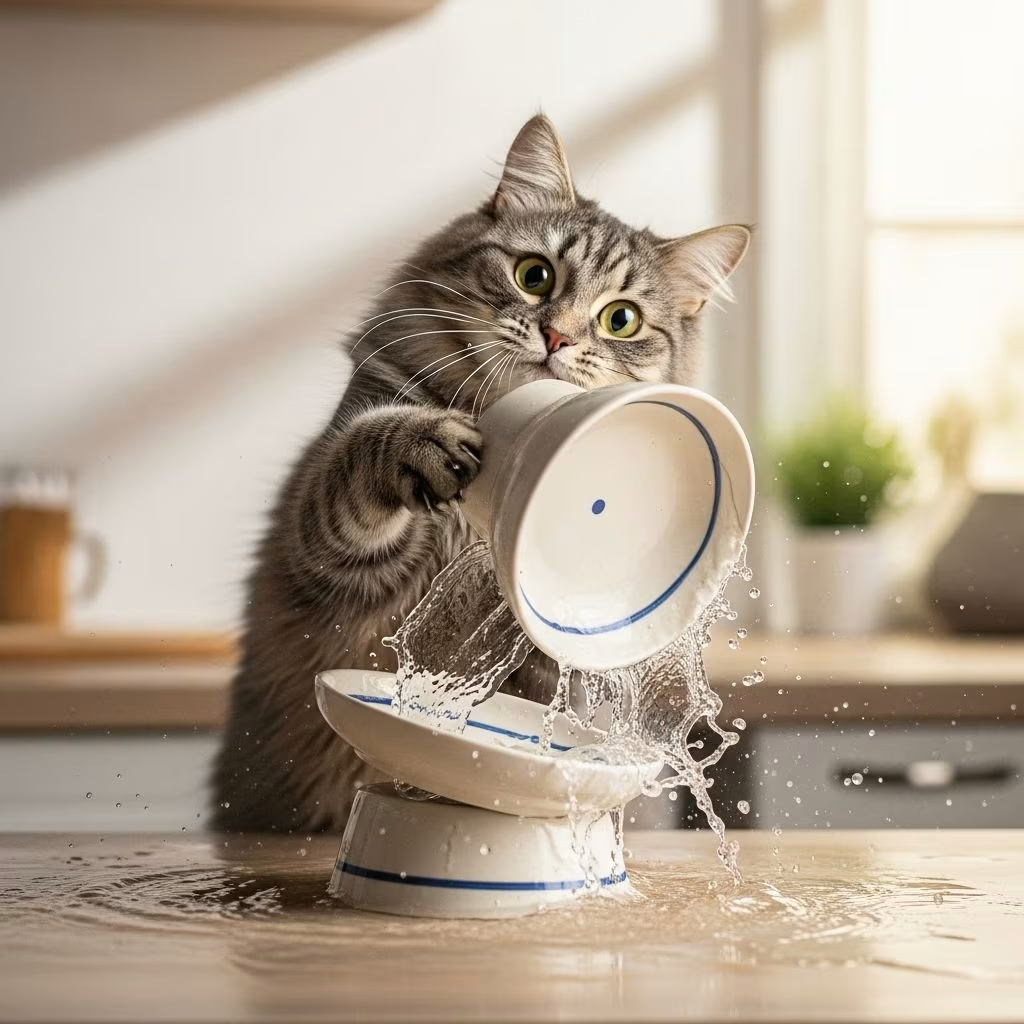
If you’re a cat owner, you’ve likely encountered the frustrating scenario of your feline friend repeatedly knocking over their water bowl, leaving puddles across your kitchen floor. While this behavior can be messy and inconvenient, it’s usually quite normal for cats. Understanding the reasons behind this action is the first step toward finding an effective solution. Your cat isn’t trying to annoy you—they’re communicating a need or responding to an instinctual behavior.
Understanding Your Cat’s Water Bowl Flipping Behavior
Cats knock over their water bowls for several reasons, and each cat may have different motivations for this behavior. According to behavioral experts, identifying the root cause is essential for addressing the problem effectively. The behavior can stem from anything ranging from playfulness and boredom to more serious health concerns. By recognizing why your cat engages in this activity, you can implement targeted solutions that address their specific needs.
Common Reasons Why Cats Flip Their Water Bowls
Evolutionary Instincts and Water Preferences
One of the most fascinating reasons cats knock over their water bowls is rooted in their evolutionary history. In nature, standing pools of water can become stagnant or biologically contaminated, so cats may have evolved to prefer moving water sources, as these are biologically safer. For that reason, cats may play with their water to get it moving, mimicking the natural streams and flowing water they would encounter in the wild. This instinctual behavior explains why many cats prefer drinking from running faucets or fountains rather than static bowls.
Fresh Water Preferences
Cats are notoriously particular about their water freshness. If your cat’s water has become stale or appears unappetizing, they may flip the bowl over as a way of signaling their displeasure. By knocking over the bowl, your cat is essentially communicating that they want fresh water. Cats have a keen sense of smell and taste, and they can detect when water has been sitting out too long. This behavior is their way of demanding a water refresh without being able to verbalize their request.
Reinforced Behavior and Learned Responses
Another significant reason your cat may knock over their water bowl is because pet parents inadvertently reinforce this behavior. When a cat knocks over the water bowl and you immediately refill it with fresh water or give them attention by saying “No,” the cat learns that this action gets them what they want. Essentially, your cat has trained you to refill their bowl by upsetting it. Cats are intelligent creatures and quickly recognize that knocking over the bowl results in attention or a fresh water supply. If you refresh the bowl after your cat performs this “trick,” you may have reinforced the behavior, encouraging them to repeat it.
Boredom and Play
Cats may also flip their water bowls simply because they’re bored and enjoy the play and stimulation it provides. Knocking things over is entertaining for cats, and a water bowl is an easy target that produces satisfying results—a splash of water and your reaction. If your cat lacks sufficient enrichment and mental stimulation throughout the day, they may resort to this behavior as a form of entertainment. Cats require daily play and engagement to maintain their mental and physical health.
Whisker Fatigue or Sensitivity
Some cats experience what’s known as whisker fatigue or whisker stress, which occurs when their food or water bowl touches their sensitive whiskers. This can make it challenging for them to reach the bottom of the bowl comfortably. While a study of 40 cats showed mixed results regarding whisker fatigue’s impact on eating patterns, some cats do appear to prefer shallower, wider bowls that don’t contact their whiskers as frequently. If your cat is experiencing discomfort from their bowl, they may flip it as a way of avoiding the irritation.
Health Issues and Medical Concerns
If your cat is constantly knocking over their water bowl because they want more water and can’t seem to get enough to drink, you should contact your veterinarian. Excessive water consumption and bowl flipping could indicate underlying health issues such as renal disease, liver disease, diabetes mellitus, hyperthyroidism, or urinary tract diseases. Additionally, if your cat is flipping their bowl but not eating afterward, this may indicate an underlying health issue or anxiety. Medical conditions can cause nausea or reduced appetite, leading cats to reject their bowls.
When Should You Be Concerned?
As long as your cat eats their food and drinks water after flipping over their bowls, it’s not typically considered a serious concern. However, if your cat isn’t eating food after tipping their bowl, this can indicate an underlying health issue or anxiety that requires veterinary attention. Additionally, if the bowl flipping is accompanied by excessive water consumption, changes in appetite, or other behavioral changes, consult with your veterinarian to rule out medical conditions. Pay close attention to your cat’s overall behavior and health status when addressing this issue.
Effective Solutions to Stop Bowl Flipping
Use a Cat Water Fountain
Pet water fountains are ideal for cats who prefer running water and typically knock over their bowls. Many cats enjoy the moving water and won’t be able to turn the fountain over very easily due to its design. When choosing a cat water fountain, look for models that are quiet and easy to clean. Fountains appeal to cats’ natural preference for flowing water and can significantly reduce bowl-flipping behavior. The combination of fresh, moving water and a stable design makes fountains an excellent investment for cats with this habit.
Invest in a Heavier Bowl
Lightweight water bowls are more prone to getting knocked over once a cat starts batting at them. To help prevent bowl flipping, invest in heavier water bowls that aren’t as easy to topple. Using a large, heavy ceramic bowl, similar in style to a dog bowl, can prevent your cat from turning it over. Additionally, choose bowls with a wide, non-slip rubber base to provide extra stability. Some customers prefer ceramic bowls with non-skid surfaces that make it more difficult for cats to achieve that satisfying flip.
Optimize the Bowl Placement
The location of your cat’s water bowl can significantly impact their ability to flip it. If the water bowl is situated close to a wall, it may actually be helping your cat flip it over by providing leverage. Many bowls need the wall to push against in order to flip successfully. To reduce the chances of your cat using the wall as leverage, place the water bowl on a rubber mat in an open area away from walls. This removes the mechanical advantage that makes flipping easier and can substantially decrease the behavior’s frequency.
Change Water More Frequently
You should be changing out your pet’s water daily as a standard practice. However, if you find that once-daily water changes are not enough for your cat, increasing the frequency may solve the problem. If your cat is a stickler for clean water and is knocking over their bowl because they want it refilled, try changing their water at least twice daily. By providing your cat with the fresh water they desire without them having to flip the bowl, you eliminate their motivation for the behavior. This simple solution works particularly well for cats whose primary motivation is water freshness.
Provide Adequate Enrichment
Since cats may flip their food or water bowl to play with it, this behavior may indicate that your cat needs more enrichment. Providing your cat with lots of daily play and mental stimulation can help prevent this boredom-driven behavior. Interactive toys, puzzle feeders, climbing structures, and regular play sessions can keep your cat entertained and engaged. A well-stimulated cat is less likely to resort to knock-over games as entertainment. Make enrichment a consistent part of your daily routine to maintain your cat’s mental and physical health.
Address Behavioral Issues
If your cat is knocking over their bowl due to stress or anxiety, you can help prevent this behavior by establishing a consistent routine. Feeding your cat at the same time every day helps them understand what to expect, reducing stress and anxiety. Cats thrive on predictability, and a stable feeding schedule can significantly impact their behavior. Additionally, consider whether any recent changes in your cat’s environment or routine might be contributing to the behavior. Addressing these stressors can often resolve stress-related bowl flipping.
Comparison of Water Bowl Solutions
| Solution | Cost | Effectiveness | Ease of Use | Best For |
|---|---|---|---|---|
| Heavier Ceramic Bowl | Low to Medium | High | Very Easy | Cats with moderate flipping behavior |
| Cat Water Fountain | Medium to High | Very High | Easy | Cats preferring moving water |
| Rubber Mat Placement | Low | Medium | Very Easy | Cats using wall leverage |
| More Frequent Water Changes | None | High | Very Easy | Cats demanding fresh water |
| Increased Enrichment | Low to High | Medium | Moderate | Bored or energetic cats |
Step-by-Step Troubleshooting Guide
Step 1: Consult Your Veterinarian
Begin by scheduling a vet appointment to rule out any medical conditions. Health issues should always be the first consideration, as they can influence behavior.
Step 2: Assess the Primary Motivation
Observe your cat’s behavior. Does your cat drink the water after flipping the bowl? Do they seem playful or stressed? This observation helps identify the motivation.
Step 3: Implement Targeted Solutions
Based on the identified motivation, implement the most relevant solution. If it’s water freshness, change water more frequently. If it’s play, increase enrichment.
Step 4: Monitor Progress
Track whether the behavior improves over time. Most solutions take a few weeks to show results as your cat adjusts to new routines or equipment.
Step 5: Adjust as Needed
If the initial solution doesn’t work, try a different approach. It may take trial and error to determine the most effective solution for your particular cat.
Frequently Asked Questions
Q: Is it normal for cats to flip their water bowls?
A: Yes, it’s usually normal cat behavior. Cats flip their bowls for various reasons including instinctual preferences for moving water, boredom, or wanting fresh water. However, if the behavior is accompanied by excessive drinking or other concerning symptoms, consult a veterinarian.
Q: Can whisker fatigue cause bowl flipping?
A: Whisker fatigue or stress can contribute to bowl flipping, though research shows mixed results. If you suspect this is the issue, try using a shallow, wide bowl that doesn’t contact the whiskers as much.
Q: What’s the best water bowl for a cat that flips?
A: Heavy ceramic bowls with non-slip rubber bases are ideal. Alternatively, a cat water fountain provides fresh, moving water that appeals to most cats and is harder to flip.
Q: Should I punish my cat for flipping their water bowl?
A: No. Punishment can increase stress and anxiety, potentially worsening the behavior. Instead, address the underlying cause and implement positive solutions.
Q: How often should I change my cat’s water?
A: Change your cat’s water at least daily, preferably twice daily if your cat prefers very fresh water. If you have a water fountain, clean and refill it regularly to maintain freshness.
Q: When should I be concerned about excessive water consumption?
A: If your cat is constantly knocking over their bowl due to wanting more water and consuming excessive amounts, contact your veterinarian. This could indicate conditions like diabetes, kidney disease, or hyperthyroidism.
Key Takeaways
Your cat’s water bowl flipping is usually a normal behavior with an identifiable cause. Whether your cat is responding to evolutionary instincts, seeking fresh water, playing due to boredom, or communicating a health concern, there are effective solutions available. By observing your cat’s specific behavior, consulting with your veterinarian to rule out medical issues, and implementing targeted solutions such as using heavier bowls, cat fountains, optimal placement strategies, or increased enrichment, you can significantly reduce or eliminate this frustrating behavior. Remember that patience and consistency are key, as it may take time for your cat to adjust to new routines or equipment. With the right approach tailored to your cat’s individual needs, you can create a more harmonious household and provide your feline friend with the fresh, accessible water they desire.
References
- Why Does My Cat Keep Knocking Over Their Water Bowl? — Chewy Education. 2025. https://www.chewy.com/education/cat/training-and-behavior/cat-knocking-over-water-bowl
- Why Is My Cat Flipping Their Food Bowl? — Dutch. 2025. https://www.dutch.com/blogs/cats/cat-flipping-food-bowl
- Effective Strategies to Prevent Your Cat from Tipping Over Its Water Bowl for Good — DHgate. 2025. https://smart.dhgate.com/effective-strategies-to-prevent-your-cat-from-tipping-over-its-water-bowl-for-good/



