

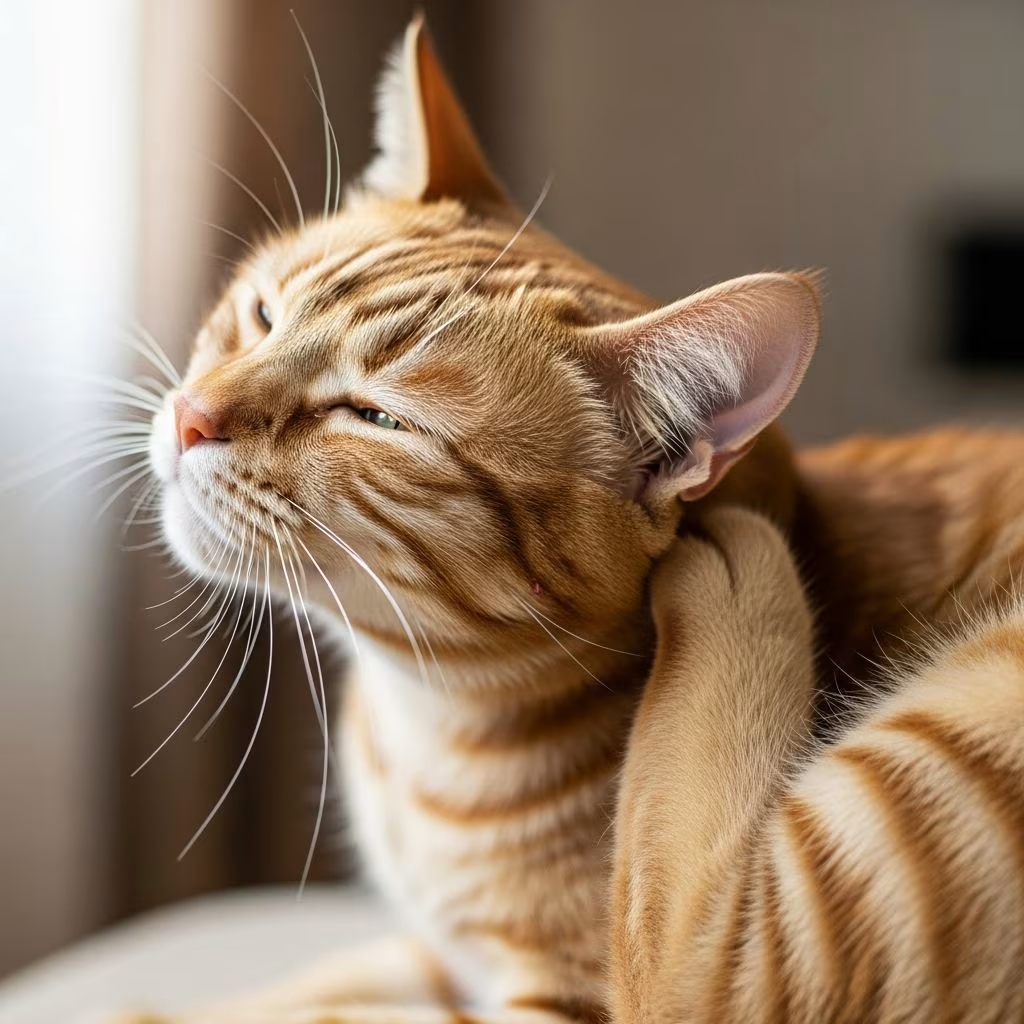
Persistent scratching, licking, or biting at the skin can signal discomfort in cats, often stemming from allergies, parasites, or infections. Addressing these issues promptly prevents worsening and promotes a healthier coat.
Understanding Feline Skin Discomfort
Cats rely on their skin as a protective barrier, but when irritated, it leads to excessive grooming that may cause hair loss or sores. Common indicators include red patches, scabs, or bald spots, particularly around the neck, back, and tail base.
- Redness and inflammation: Appears as flushed areas from constant irritation.
- Scabs and crusts: Form from healed scratches or bites.
- Hair loss: Occurs in patches due to over-grooming.
- Behavioral changes: Restlessness or aggression from itchiness.
Early recognition allows for targeted interventions, reducing the risk of secondary complications like bacterial infections.
Primary Triggers Behind Itchy Feline Skin
Several factors contribute to skin irritation in cats, with parasites and allergies topping the list. Identifying the root cause guides effective management.
Parasite Infestations
Fleas represent the leading culprit, triggering flea allergy dermatitis where even a single bite provokes intense reactions in sensitive cats. Symptoms concentrate at the rump and base of the tail.
- Flea dirt: Black specks that turn red when wet.
- Intense scratching: Often leading to raw skin.
- Indoor risks: Fleas thrive in homes, spreading via contact.
Other parasites like mites contribute similarly, necessitating thorough environmental treatments alongside pet care.
Allergic Responses
Allergies divide into food-related and environmental types. Food allergies often link to proteins like beef or fish, manifesting as year-round itching. Environmental allergens such as pollen or dust mites cause seasonal flares.
| Allergy Type | Common Triggers | Key Symptoms |
|---|---|---|
| Food | Proteins in diet | Consistent itching, ear infections |
| Environmental | Pollen, mites | Seasonal worsening, paw licking |
| Contact | Chemicals, fabrics | Localized redness |
Diagnosis typically involves elimination trials under veterinary supervision.
Infections and Dryness
Bacterial or yeast overgrowth follows initial irritation, creating a cycle of itch and infection. Dry skin, or seborrhea, arises from poor diet, low humidity, or frequent bathing, leading to flaking and scaling.
- Bacterial: Pustules or oozing sores.
- Yeast: Greasy coat with odor.
- Dryness: Flaky skin, dull fur.
Underlying conditions like hyperthyroidism or stress exacerbate these problems.
Diagnostic Steps for Accurate Identification
Veterinarians employ several methods to pinpoint causes. A physical exam reveals flea presence or infection signs. Skin scrapings detect mites, while cytology examines cells for bacteria or yeast.
- Flea comb check: Quick detection of parasites.
- Skin cytology: Microscopic analysis for pathogens.
- Allergy testing: Intradermal or blood tests for environmental triggers.
- Food trials: 8-12 weeks of novel protein diet.
These steps ensure treatments target the true issue, avoiding ineffective remedies.
Veterinary Treatment Options
Professional interventions provide rapid relief while addressing origins. Medications form the cornerstone, tailored to severity.
- Steroids: Short-term use like prednisolone reduces inflammation.
- Antihistamines: Hydroxyzine eases mild allergic itch.
- Antibiotics: Clavamox combats bacterial infections.
- Antifungals: Itraconazole for yeast or ringworm.
- Immunomodulators: Atopica for chronic allergies.
Flea preventatives such as Revolution or Bravecto offer monthly protection. For allergies, immunotherapy customizes vaccines against specific allergens.
Home-Based Remedies for Supportive Care
Complement vet care with gentle at-home strategies to soothe skin and prevent flares.
Bathing Protocols
Infrequent baths with hypoallergenic shampoos remove allergens. Use lukewarm water and moisturizing formulas containing aloe or oatmeal.
- Frequency: Every 1-2 weeks maximum.
- Products: Vet-approved medicated shampoos.
- Post-bath: Thorough drying to avoid chills.
Avoid human products, as they disrupt feline skin pH.
Nutritional Enhancements
Diet profoundly impacts skin health. Switch to limited-ingredient or hypoallergenic foods during trials. Supplement with omega-3 fatty acids from fish oil to combat inflammation.
- Increase wet food for hydration.
- Rotate proteins to avoid sensitivities.
- Add probiotics for gut-skin axis support.
Elimination diets exclude common allergens like grains or dairy.
Natural Topical Aids
Safe applications include diluted apple cider vinegar rinses (1:1 with water) to balance pH and deter microbes. Aloe vera gel or calendula cream calms hot spots.
- Application: Gentle pats, avoid eyes.
- Frequency: Daily for acute issues.
- Monitor: Discontinue if worsening occurs.
Quercetin supplements act as natural antihistamines.
Preventive Strategies for Long-Term Skin Health
Proactive measures minimize recurrence. Maintain year-round flea control, vacuum frequently, and wash bedding weekly.
- Environment: Use air purifiers for allergens; control humidity.
- Grooming: Regular brushing distributes oils.
- Diet consistency: Stick to proven formulas.
- Stress reduction: Enrichment toys and routines.
Annual vet check-ups catch issues early.
When to Seek Immediate Veterinary Help
Escalate care if itching persists despite home efforts, or if signs of infection like fever, lethargy, or spreading redness appear. Rapid intervention prevents chronic damage.
- Non-stop scratching causing wounds.
- Swollen areas or discharge.
- Appetite loss or behavioral shifts.
Frequently Asked Questions
Can diet alone fix my cat’s itchy skin?
Diet resolves food allergies in many cases but may not address fleas or environmental triggers. Consult a vet for tailored plans.
Is apple cider vinegar safe for cats?
Diluted properly, yes, for mild relief, but test a small area and vet-approve first.
How long do flea treatments take to work?
Fast-acting orals kill adults in 24 hours; full control requires environmental cleaning.
What if my indoor cat has fleas?
Indoor cats still get fleas from visitors or vents. Treat all pets and home thoroughly.
Are steroids safe for long-term use?
Short courses are common; prolonged use risks side effects, so follow vet dosing.
References
- How Can I Soothe My Cat’s Itchy Skin? — Dr. Ruth Roberts. 2023. https://drruthroberts.com/blogs/pet-blog/cat-itchy-skin
- Itchy Cat? Here’s Why Your Cat’s Scratching So Much — Chewy. 2024. https://www.chewy.com/education/cat/health-and-wellness/itchy-cat-causes-treatment
- Cat Miliary Dermatitis: Causes and Treatment — MedVet. 2023. https://www.medvet.com/cat-miliary-dermatitis-causes-and-treatment/
- Itchy Cat? Possible Causes and When To Worry — PetMD. 2025. https://www.petmd.com/cat/symptoms/itchy-cat-causes-and-when-to-worry
- Soothe Your Cats Dry & Itchy Skin — Blue Buffalo. 2024. https://www.bluebuffalo.com/articles/cat/my-cat-has-dry-skin-now-what/
- Why Is My Cat So Itchy? Causes, Symptoms, and Solutions — Vetericyn. 2024. https://vetericyn.com/blogs/vetericyn/why-is-my-cat-soitchy



