

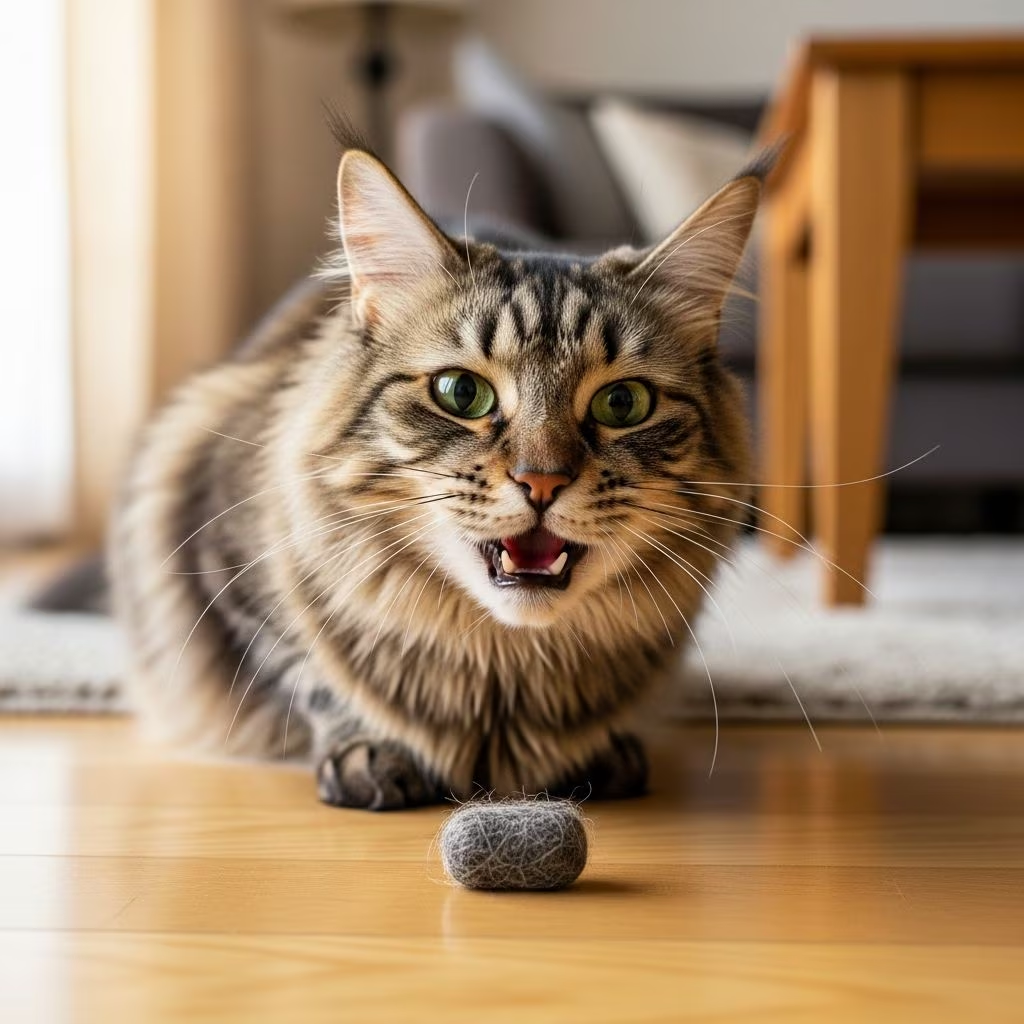
Hairballs, or trichobezoars, are common in cats due to their grooming habits, where swallowed fur accumulates in the stomach. While occasional hairballs are normal, frequent occurrences signal potential health issues requiring attention.
What Are Hairballs in Cats?
Hairballs form when cats ingest loose fur during self-grooming. This fur, indigestible due to keratin, typically passes through the intestines in feces. However, it can tangle in the stomach or intestines, forming a mass too large to expel naturally, leading to vomiting. Cats spend up to 30% of their day grooming, making this a routine process, but excess fur intake disrupts digestion.
Long-haired breeds like Maine Coons and Persians are particularly susceptible due to their dense coats requiring more grooming. Short-haired cats can also develop hairballs if they overgroom from stress, allergies, or skin conditions.
Why Is My Cat Getting Hairballs?
Several factors contribute to hairball formation:
- Normal Grooming: Cats swallow hair daily; infrequent hairballs (once a month) are harmless.
- Overgrooming: Caused by anxiety, boredom, allergies, pain, or skin diseases, leading to excessive fur ingestion. Common areas include belly, inner thighs, and legs.
- Breed Predisposition: Long-haired cats produce more fur volume.
- Gastrointestinal Issues: Conditions slowing gut motility, like inflammatory bowel disease (IBD), lymphoma, parasites, or food allergies, trap hair.
- Dehydration or Diet: Dry food diets without enough moisture hinder fur passage.
If hairballs occur more than once a month, investigate underlying causes to prevent complications.
Symptoms of Hairballs in Cats
Recognize hairballs early to avoid distress:
- Vomiting: Cylindrical, tube-shaped masses of fur, often with yellow mucus or food.
- Retching or Gagging: Hacking cough-like sounds before expulsion.
- Constipation: Straining or hard stools as hair blocks intestines.
- Lethargy and Appetite Loss: Signs of discomfort or obstruction.
- Weight Loss or Dehydration: From repeated vomiting.
Severe symptoms like persistent vomiting, bloody stool, or abdominal distension indicate emergencies needing immediate vet care.
When to See a Vet for Cat Hairballs
Consult a veterinarian if:
- Hairballs exceed once monthly.
- Your cat shows constipation, lethargy, or reduced eating.
- No hairball is produced after retching.
- Suspected obstruction: swollen abdomen, collapse.
Vets diagnose via physical exams, blood tests, X-rays, ultrasound, fecal analysis, or skin scrapings to rule out allergies, parasites, or GI diseases. Frequent hairballs may stem from IBD, lymphoma, or allergies.
How Vets Treat Cat Hairballs
Treatment targets causes and symptoms:
- Dietary Changes: High-fiber foods or hairball-control formulas promote fur passage.
- Lubricants/Laxatives: Gels like Laxatone (tuna-flavored with mineral oil) ease hair through the tract. Use vet-recommended only.
- Medications: For underlying issues like anti-inflammatories for IBD or dewormers.
- Surgery: Rare for obstructions; removes blockages and checks for damage.
Professional grooming or behavioral therapy addresses overgrooming.
How to Prevent Hairballs in Cats
Proactive steps reduce hairballs significantly:
Grooming Tips
- Brush daily, especially long-haired cats, using deshedding tools to remove loose fur.
- Professional grooming for heavy shedders.
- Introduce brushing gradually with treats.
Diet and Hydration
Increase fiber via pumpkin, psyllium, or specialized kibble. Ensure hydration with fountains, wet food, or flavored water.
| Prevention Method | Benefits | Examples |
|---|---|---|
| High-Fiber Diet | Moves fur through GI tract | Hairball control food, canned pumpkin |
| Hydration Boost | Softens stool, aids passage | Water fountains, wet food |
| Grooming | Reduces swallowed fur | Daily brushing, grooming wipes |
| Lubricants | Lubricates intestines | Laxatone gel, petroleum jelly |
Environmental and Behavioral
- Reduce stress with toys, scratching posts, and pheromone diffusers.
- Monitor for allergies; trial hypoallergenic diets.
Combine methods for best results; track improvements over weeks.
Home Remedies for Cat Hairballs
Safe options include:
- Oily Foods: Small amounts of tuna, sardines, or cod liver oil weekly.
- Petroleum Jelly: Dab on paw for licking; lines the gut.
- Fiber Supplements: Vet-approved psyllium or beet pulp.
Avoid human laxatives; always consult vets first.
Frequently Asked Questions (FAQs)
Are hairballs dangerous for cats?
Occasional ones are not, but frequent or obstructive hairballs can cause blockages, dehydration, or indicate diseases like IBD. Seek vet help promptly.
How often should a cat get hairballs?
Once a month is normal; more suggests issues. Long-haired cats may have slightly higher frequency.
Can diet prevent hairballs?
Yes, high-fiber, hairball-specific foods and increased moisture help fur pass naturally.
Do all cats get hairballs?
No, but grooming cats do. Long-haired and overgroomers are most prone.
Is hairball medicine safe?
Vet-recommended gels are safe short-term; long-term use needs monitoring for underlying causes.
This comprehensive guide empowers cat owners to manage hairballs effectively, promoting feline well-being through prevention and timely intervention. Regular vet check-ups ensure early detection of issues.
References
- What Are Cat Hairballs? How Can I Prevent Them? — Chewy. 2023. https://www.chewy.com/education/cat/health-and-wellness/were-answering-all-your-questions-about-cat-hairballs
- Trichobezoars (Hairballs) in Cats — VCA Animal Hospitals. 2024. https://vcahospitals.com/know-your-pet/trichobezoars-in-cats
- Cat Hairballs 101: How to Help — PetMD. 2024. https://www.petmd.com/cat/general-health/cat-hairballs-101-how-help
- Hairballs in Cats: Causes, Symptoms, & Remedies — WebMD. 2023. https://www.webmd.com/pets/cats/what-to-do-about-hairballs-in-cats
- Is Your Cat Coughing Up Hairballs? Here’s What You Need to Know — Boulder Veterinary Hospital. 2024. https://bouldervet.com/blog/cat-hairball/



