
Cat Intestinal Worms: 4 Common Types, Symptoms And Treatment
Discover essential facts on identifying, treating, and preventing intestinal worms in cats for optimal feline health.
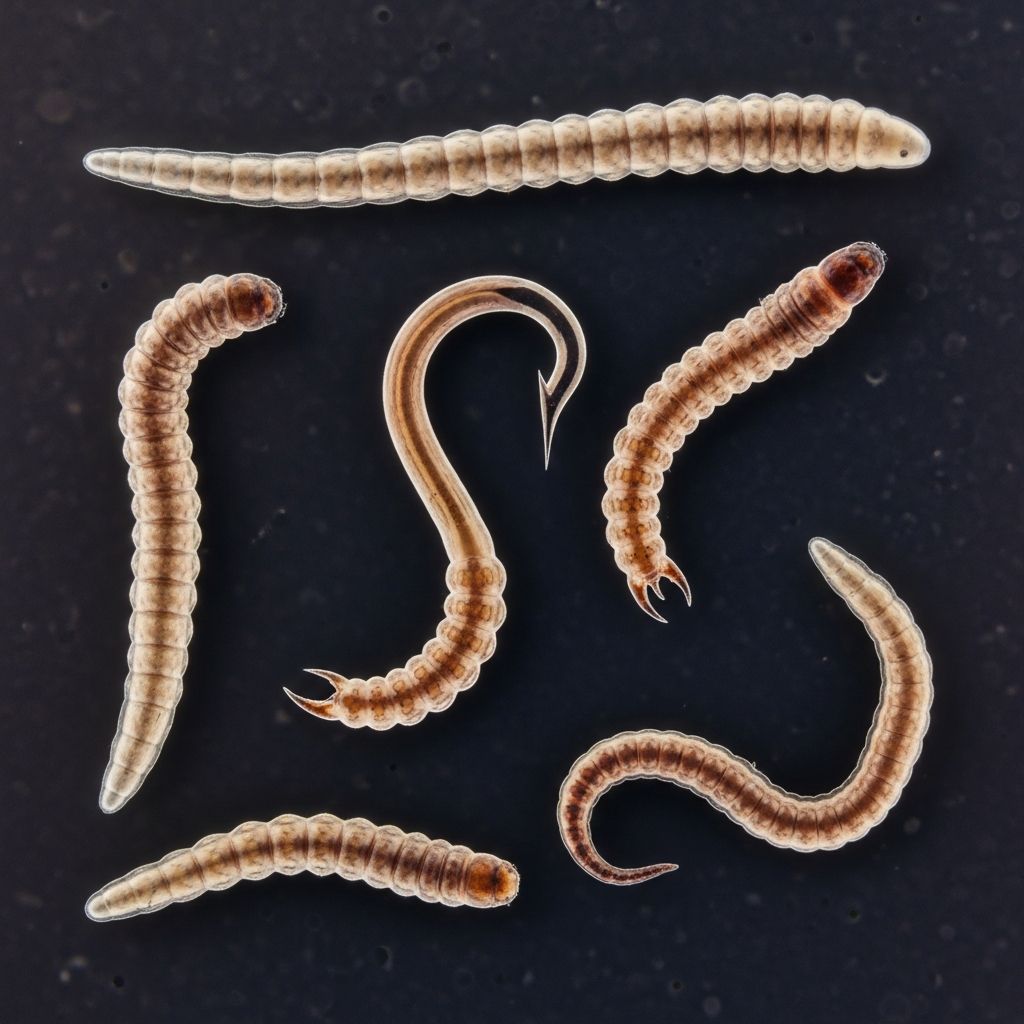
Intestinal worms represent one of the most prevalent health threats to cats, capable of causing discomfort, nutritional deficiencies, and severe complications if ignored. These parasites thrive in the feline gut, siphoning vital nutrients and multiplying rapidly, particularly in young kittens. Understanding their nature empowers cat owners to act swiftly, safeguarding their pet’s vitality through timely intervention and proactive measures.
Primary Types of Worms Affecting Cats
Cats encounter several intestinal parasites, each with distinct characteristics and transmission routes.
Roundworms
(Toxocara cati) are the most frequent, resembling spaghetti strands and often passed from mother to kitten via milk or placenta.Hookworms
(Ancylostoma tubaeforme) latch onto intestinal walls, feeding on blood and leading to anemia.Tapeworms
(Dipylidium caninum or Taenia species) appear as rice-like segments in feces, typically spread through flea ingestion or hunting prey. Less common arewhipworms
, which cause chronic inflammation but are rarer in felines compared to dogs.- Roundworms: Large, white, and coiled; highly contagious among kittens.
- Hookworms: Tiny, thread-like; blood-feeding causes weakness.
- Tapeworms: Segmented; visible in stool or around anus.
- Whipworms: Elongated; provoke bloody diarrhea in heavy loads.
These worms disrupt digestion, block nutrient absorption, and in extreme cases, lead to intestinal obstruction or rupture, especially in untreated kittens.
Recognizing Symptoms in Your Cat
Early detection hinges on spotting subtle changes in behavior and appearance. Common indicators include
vomiting
(sometimes with visible worms),diarrhea
(potentially bloody or mucoid),weight loss
despite normal eating, and adistended abdomen
or potbelly look in kittens. Additional signs are adull, unkempt coat
,lethargy
,increased appetite
followed by wasting,scooting
due to anal irritation, andcoughing
from larval migration to lungs.| Symptom | Associated Worm Type | Severity Level |
|---|---|---|
| Potbelly & poor growth | Roundworms | High in kittens |
| Bloody diarrhea & anemia | Hookworms | Moderate to severe |
| Rice-like segments in stool | Tapeworms | Mild, often asymptomatic |
| Chronic weight loss | Whipworms | Low prevalence |
Severe infestations may escalate to dehydration, pale gums from anemia, or even death, underscoring the need for vigilance.
How Cats Contract Intestinal Parasites
Transmission occurs via multiple pathways, making exposure common in outdoor or multi-pet households. Kittens inherit roundworms transplacentally or through nursing. Adult cats ingest eggs from contaminated soil, feces, or unclean litter boxes. Fleas serve as vectors for tapeworms when cats groom infested bugs. Hunting rodents or birds introduces additional parasites. Shared environments amplify risks, as eggs remain viable in soil for months.
- Ingesting infected prey or feces.
- Flea bites and subsequent grooming.
- Maternal transmission in litters.
- Contaminated water or food sources.
Indoor cats are not immune, especially if fleas enter the home or raw meat diets are used.
Veterinary Diagnosis Procedures
Professional assessment begins with a thorough history and physical exam. Vets request a
fresh fecal sample
for microscopic analysis to detect eggs or larvae, confirming worm presence. Multiple samples may be needed due to intermittent shedding. In heavy cases, blood tests check for anemia, while imaging rules out blockages. Kittens under three months often receive presumptive treatment without testing due to high prevalence.Accuracy relies on prompt sample delivery—ideally within 24 hours, refrigerated if delayed. Fecal flotation or centrifugation techniques reveal species-specific eggs, guiding targeted therapy.
Effective Treatment Options
Treatment protocols eradicate adult worms and prevent reinfestation.
Broad-spectrum dewormers
like pyrantel pamoate target roundworms and hookworms, while praziquantel addresses tapeworms. Topical spot-ons (e.g., Profender) or oral tablets (e.g., Drontal) offer convenience. Kittens require repeated doses every two weeks from 3-12 weeks, then monthly. Severe hookworm cases demand hospitalization for fluids, probiotics (e.g., FortiFlora), or transfusions.- Initial deworming kills adults.
- Follow-up doses target hatching larvae.
- Concurrent flea control prevents tapeworms.
Post-treatment, dead worms may appear in vomit or stool—normal for heavy burdens—but persistent vomiting warrants a vet revisit. Full clearance takes weeks, necessitating fecal rechecks.
Prevention Strategies for Long-Term Protection
Proactive routines minimize risks far better than reactive cures. Administer
monthly dewormers
year-round, tailored to lifestyle—more frequent for hunters. Rigorousflea prevention
(topicals/orals) blocks tapeworm cycles. Maintain hygiene: daily litter scooping, weekly bleach disinfection, and prompt yard cleanup. Avoid raw diets; freeze meat to kill parasites. Annual vet wellness exams with fecal screens ensure early detection.- Worm monthly from 8 weeks old.
- Control fleas rigorously.
- Sanitize environments daily.
- Limit hunting/prey access.
Kittens and pregnant queens need intensified schedules to break transmission chains.
Special Concerns for Kittens and Seniors
Kittens face heightened vulnerability; heavy roundworm loads cause failure to thrive, pneumonia from migrating larvae, or fatal blockages. Start deworming at 2-3 weeks, repeating biweekly until 12 weeks, then monthly. Seniors, with weakened immunity, suffer prolonged symptoms like chronic diarrhea or anemia. Customized low-stress treatments preserve their fragile health.
Pregnant cats risk passing burdens to litters, so pre-breeding deworming is advised.
Zoonotic Risks: Protecting Human Family Members
Certain cat worms pose human health threats, especially to children and immunocompromised individuals.
Toxocara
roundworm larvae can migrate to human eyes or organs (visceral larval migrans), causing vision loss or fever. Hookworms penetrate skin, causing cutaneous larva migrans. Prevention mirrors cat care: handwashing post-litter handling, covering sandboxes, and discouraging geophagia in kids. No direct cat-to-human fecal-oral transmission occurs commonly, but hygiene is paramount.FAQs on Cat Intestinal Worms
Q: Can I see worms in my cat’s poop?
A: Often no—many are microscopic. Tapeworm segments mimic rice grains and are visible.
Q: How soon do cats recover post-treatment?
A: Improvement within a week; complete elimination may take weeks with follow-ups.
Q: Is over-the-counter deworming safe?
A: Consult vets first—prescription options ensure broad efficacy and dosing accuracy.
Q: Do indoor cats need deworming?
A: Yes, via fleas, contaminated items, or inherited burdens.
Q: What if my cat vomits worms after treatment?
A: Expected in severe cases; monitor for dehydration and contact vet if prolonged.
Monitoring and Follow-Up Care
Post-treatment vigilance sustains gains. Schedule fecal exams 2-4 weeks later to verify clearance. Watch for symptom recurrence, signaling reinfestation or resistance. Integrate worming into flea/heartworm preventives for streamlined care. Educate households on hygiene to protect all members.
References
- Gastrointestinal Parasites of Cats – Cat Owners — Merck Veterinary Manual. 2023. https://www.merckvetmanual.com/cat-owners/digestive-disorders-of-cats/gastrointestinal-parasites-of-cats
- Worms in Cats — PetMD. 2023-10-15. https://www.petmd.com/cat/conditions/infectious-parasitic/worms-cats
- Gastrointestinal Parasites of Cats — Cornell University College of Veterinary Medicine. 2018-06. https://www.vet.cornell.edu/departments-centers-and-institutes/cornell-feline-health-center/health-information/feline-health-topics/gastrointestinal-parasites-cats
- Cat Deworming – Intestinal Parasites — Loch Haven Veterinary Hospital. 2023. https://www.lochhavenvet.com/services/cat-wellness/worms-cats
- Worms in cats — PDSA. 2023. https://www.pdsa.org.uk/pet-help-and-advice/pet-health-hub/conditions/worms-in-cats
- Worms in Kittens: Symptoms & Treatment — Peak Veterinary. 2023. https://www.peakveterinary.com/blog/worms-in-kittens-symptoms-treatment
Similar Articles








Read full bio of medha deb




