

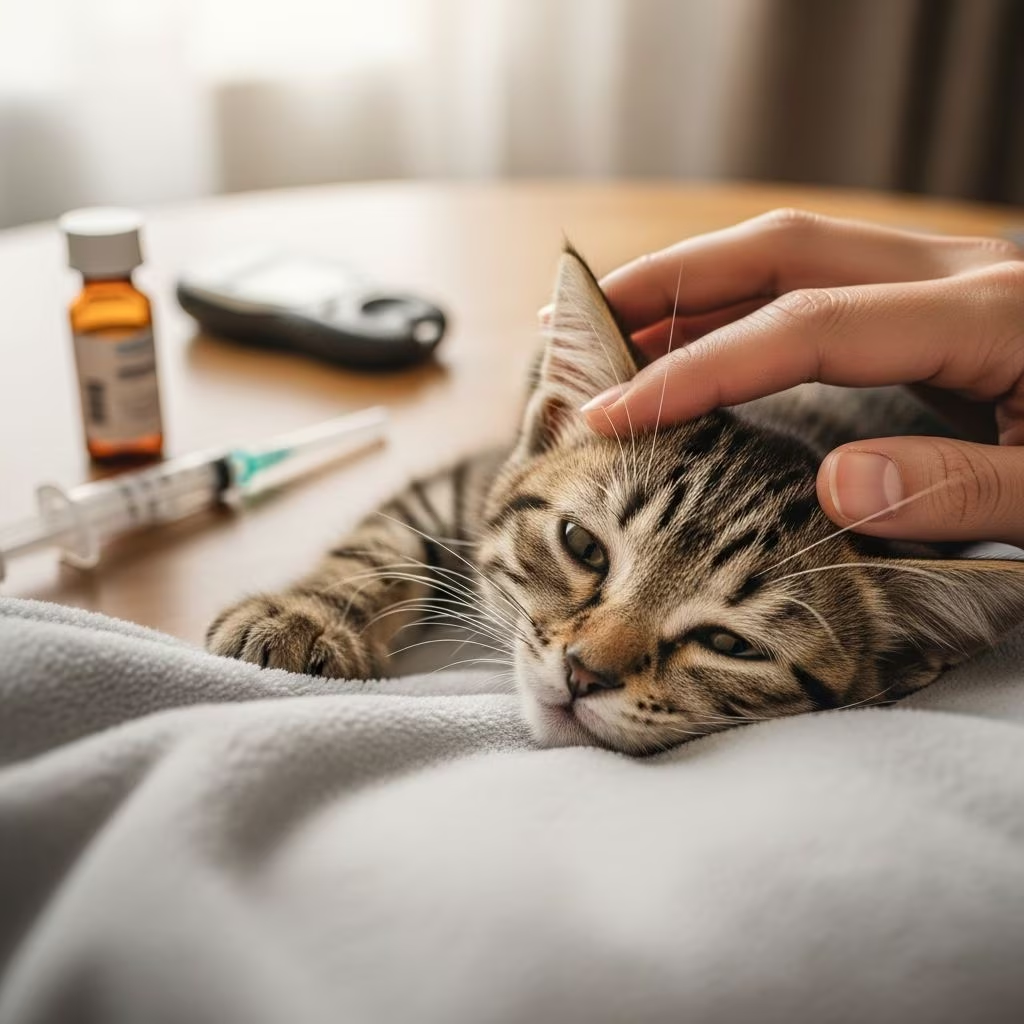
Administering too much insulin to a diabetic cat can trigger hypoglycemia, a sudden drop in blood sugar that demands swift response to avert severe outcomes like seizures or coma. Pet owners must recognize symptoms promptly and follow proven protocols for stabilization.
Understanding Feline Diabetes and Insulin Essentials
Diabetes mellitus in cats disrupts glucose regulation, often requiring lifelong insulin therapy to maintain balance. Insulin injections, typically given every 12 to 24 hours, mimic the body’s natural hormone to facilitate sugar uptake into cells. Common types include short-acting, intermediate, and long-acting formulations, with starting doses around 0.25 to 0.5 units per kilogram of body weight twice daily, tailored by veterinarians based on monitoring.
Effective management hinges on consistent feeding schedules synced with injections, regular blood glucose checks, and adjustments for factors like weight loss or diet changes. Newer options, such as oral medications, offer alternatives but insulin remains the cornerstone for many cats.
Recognizing Hypoglycemia: Key Warning Signals
Hypoglycemia manifests rapidly after excess insulin, as glucose levels plummet below safe thresholds. Early detection is critical, as progression can lead to life-threatening states.
- Lethargy or extreme fatigue: Cats appear unusually weak or disinterested in surroundings.
- Tremors and shakiness: Involuntary muscle twitching, especially in limbs.
- Unsteady movements: Wobbly gait or ataxia, indicating neurological impact.
- Behavioral changes: Confusion, disorientation, or unusual aggression.
- Advanced signs: Vomiting, loss of bladder/bowel control, seizures, coma, or unresponsiveness.
These symptoms can emerge within hours of an overdose, even without a second dose if the cat’s needs have shifted due to illness or reduced food intake.
Immediate Response: What to Do First
If overdose is suspected, act without delay. Time is vital to counteract low glucose.
- Assess the situation: Confirm if symptoms align with hypoglycemia and note the insulin amount and timing given.
- Administer quick sugar: For conscious cats able to swallow, offer a small meal. If weak or unwilling to eat, rub 1 gram of corn syrup, honey, or glucose gel per kilogram of body weight on the gums. Avoid force-feeding to prevent aspiration.
- Contact professionals: Call your veterinarian or an emergency clinic immediately for personalized advice. Do not wait for symptoms to worsen.
- Monitor closely: Recheck blood sugar if you have a home glucometer like Freestyle Libre; levels below 60-70 mg/dL signal urgency.
This initial boost can revive the cat temporarily, but effects wane as sugar metabolizes, risking recurrence without vet oversight.
Veterinary Interventions for Severe Cases
At the clinic, treatment escalates based on severity. Blood work provides a spot glucose reading to guide therapy.
- IV dextrose: A diluted 50% dextrose bolus (0.5 g/kg) reverses acute lows, followed by continuous infusion.
- Fluid therapy: Intravenous fluids support hydration and stabilize electrolytes.
- Monitoring: Serial glucose curves track recovery; hospitalization may last hours to days.
- Supportive care: Anti-seizure meds or oxygen if neurological symptoms persist.
In extreme overdose, insulin may be withheld for days until hyperglycemia returns, preventing further drops.
Comparison of Home vs. Vet Treatments
| Approach | When to Use | Actions | Risks |
|---|---|---|---|
| Home First Aid | Mild symptoms, en route to vet | Sugar on gums, small meal | Aspiration if forced; temporary fix |
| Veterinary Care | Severe signs, unresponsive cat | IV dextrose, fluids, monitoring | Requires travel; cost |
Preventing Insulin Mishaps in Daily Care
Avoiding overdoses starts with precision. Use vet-prescribed syringes—never switch types without guidance, as capacities differ (e.g., U-100 vs. tuberculin).
- Sync doses with meals; skip if cat refuses food after 12 hours and consult vet.
- Track curves: Home monitoring flags dose needs early.
- Adjust for changes: Illness, stress, or heat cycles lower requirements.
- Educate household: Clear labeling and routines minimize errors.
Regular vet check-ins refine protocols, potentially reducing injection frequency or switching therapies.
Long-Term Management of Diabetic Cats
Beyond crises, sustained control enhances quality of life. Aim for glucose 100-300 mg/dL; persistent highs risk ketoacidosis, lows invite overdoses.
Diet: High-protein, low-carb foods blunt spikes. Exercise: Play sessions improve sensitivity. Tools: Continuous monitors like Freestyle Libre simplify tracking.
Remission occurs in up to 80% of early-diagnosed cats with tight regulation, sometimes eliminating insulin needs.
Frequently Asked Questions
What if my cat seems fine after extra insulin?
Many overdoses cause no signs, but monitor for 24-48 hours. Subtle weakness can precede crisis; err on caution with vet contact.
How much sugar is safe at home?
1 g/kg (e.g., 0.5 tsp corn syrup for 5kg cat) on gums. Repeat once if needed after 15 minutes, then seek pro help.
Can diet alone fix diabetes?
Not typically; insulin pairs with specialized diets for best outcomes. Consult for oral med trials.
What raises overdose risk without extra shots?
Weight loss, new meds, infections, or anorexia alter needs—always recheck doses.
Is coma reversible?
Yes, with prompt dextrose and support, though delays risk brain damage or death.
References
- Vet Answers: Cat Insulin Overdose Steps — Dial A Vet. 2023. https://www.dialavet.com/vet-answers/cat-insulin-overdose-steps-20540
- Feline Diabetes Insulin Therapy Fact Sheet — Vet Specialists. 2024. https://www.vetspecialists.co.uk/fact-sheets-post/feline-diabetes-insulin-therapy-fact-sheet/
- Insulin – Cats — Lort Smith Melbourne Animal Hospital. 2023. https://lortsmith.com/need-help-now/cat/poisons-toxins/medication-and-drugs/insulin/
- Glucose Toxicity and Hypoglycemia in Felines — Merck Animal Health. 2024. https://www.merck-animal-health-usa.com/hub/vetsulin/cats/glucose-toxicity-and-hypoglycemia-in-felines/
- Diabetic Crises: Recognition and Management — dvm360. 2022. https://www.dvm360.com/view/diabetic-crises-recognition-and-management-proceedings



