
Cat Instincts Decoded: Why They Act Wild
Discover the ancient instincts driving your domestic cat's quirky habits, from hunting urges to cozy hideaways, and how to enrich their indoor lives.
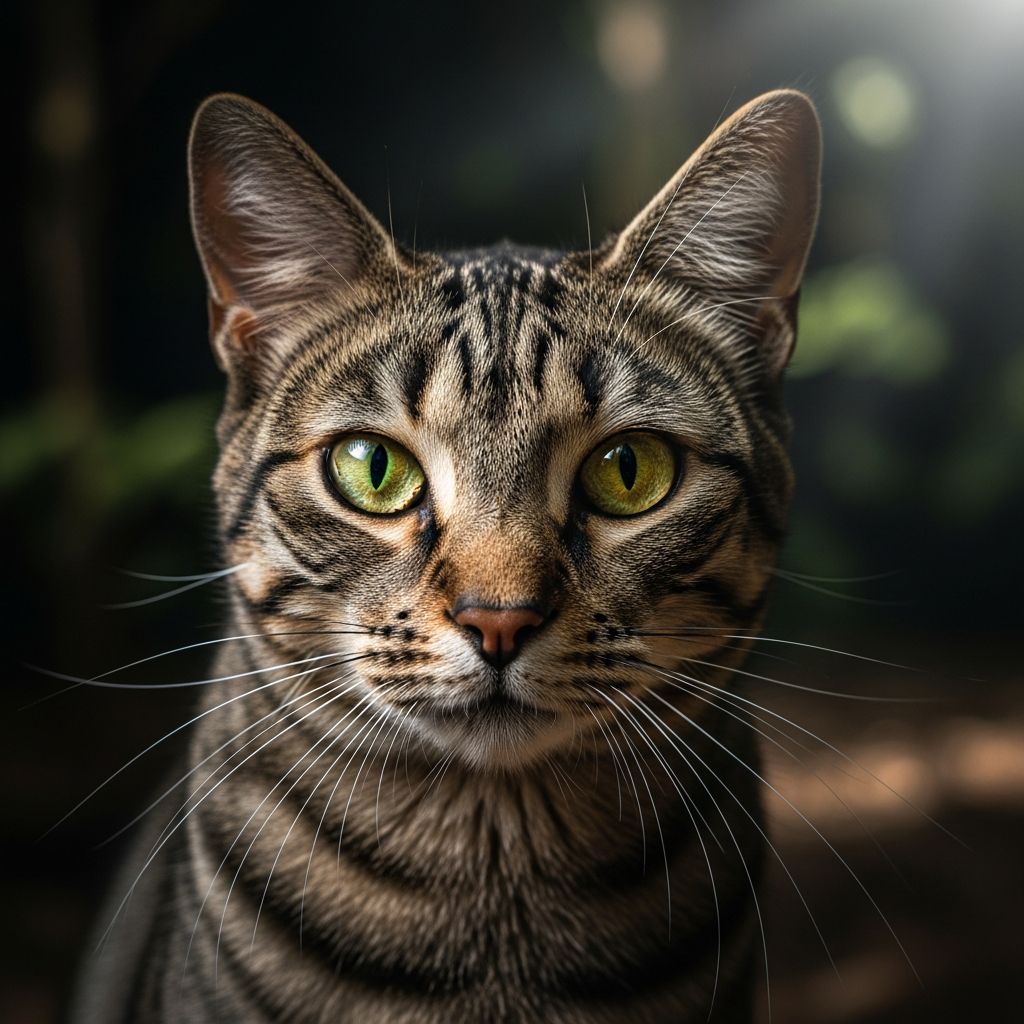
Domestic cats may lounge on your sofa, but beneath their pampered exterior beats the heart of a skilled predator descended from African wildcats. These instincts shape everyday quirks, from playful pounces to territorial scratches. Understanding them helps owners create enriching environments that reduce stress and destructive habits.
The Evolutionary Roots of Feline Fascinations
Cats (Felis silvestris lybica) were domesticated around 10,000 years ago, drawn to human settlements by rodents feasting on grain stores. Despite millennia of domestication, their behaviors remain wired for survival in the wild. Hunting prowess ensured only the most adept survived, passing on genes for curiosity, agility, and stealth. Today, these traits manifest in play, exploration, and even affection toward humans.
Indoor life can frustrate these drives, leading to boredom-induced issues like excessive meowing or furniture destruction. By mimicking natural stimuli, owners can tap into this heritage for happier pets.
Hunting: The Eternal Chase in Every Cat
At the core of cat behavior lies the hunting sequence: seek, stalk, pounce, capture, and sometimes kill. Even well-fed cats trigger this upon spotting movement, like a fluttering curtain or rolling toy. Kittens learn from mothers and littermates, but instincts kick in instinctively.
Why play with “prey”? It’s not cruelty—batting weakens and disorients targets, minimizing injury risk. Domestic cats often skip the kill, treating toys as endless sport.
- Indoor Hunting Signs: Zoomies at dawn, ankle ambushes, gifting dead bugs.
- Triggers: Sudden motions, rustling sounds, laser dots.
- Benefits: Mental sharpness, exercise, stress relief.
Enriching the Inner Hunter
Rotate feather wands, battery-powered mice, and puzzle feeders to sustain interest. Hide treats for foraging games, channeling ancestral scavenging.
| Activity | How It Mimics Hunting | Tools Needed |
|---|---|---|
| Hide-and-Seek | Stalking hidden prey | Treats, toys |
| Laser Chase | Pouncing erratic targets | Laser pointer |
| Wand Play | Stalking flying birds | Feather wand |
Territorial Marks: Scratching and Scent Claims
Scratching isn’t rebellion—it’s communication. Cats rake claws on posts or furniture to shed nail sheaths, stretch muscles, and deposit scent from paw glands. Wild ancestors marked trees to signal size, sex, and presence, deterring rivals.
Even declawed cats “scratch,” proving it’s innate. Rubbing heads or flanks on owners transfers cheek scents, incorporating you into their colony.
- Provide sisal posts, cardboard scratchers near favored spots.
- Use catnip sprays to lure away from sofas.
- Trim nails regularly to protect fabrics.
Seeking Shelter: The Allure of Boxes and High Perches
Cats cram into boxes or bags for security, echoing wild dens that shield from predators and weather. Tight spaces buffer stress, offering ambush vantage points. Elevated shelves mimic tree lookouts for surveying territory.
Knocking items off tables? It’s paw-testing for instability or prey-mimicry, satisfying curiosity and hunt reflexes.
Building a Feline Fortress
Stack boxes into tunnels, install window perches, and add cat trees. Vertical space expands territory, curbing conflicts in multi-cat homes.
Rhythmic Comfort: The Kneading Ritual
Adult cats knead blankets or laps, echoing kittenhood milk stimulation. Paws alternate pushing to express contentment in safe havens. Claws out? It’s pure instinct—provide towels to protect skin.
Nighttime yowls often signal heat cycles or learned attention bids. Spaying/neutering curbs mating calls; ignore non-emergency squalls to extinguish habits.
Litter Legacy: Instinctive Hygiene
Cats bury waste to hide from predators, a survival trait honed over generations. Issues arise from unclean boxes or medical woes—scoop daily, offer multiple boxes.
Affection Through Action: Gifts and Greetings
“Presents” of critters teach kittens or share bounty, viewing owners as inept hunters needing aid. Praise gently, then dispose hygienically.
Daily Routines to Unleash Wild Side
- Schedule two 15-minute hunts morning/evening.
- Offer varied scratchers: vertical posts, flat mats.
- Elevate environments with shelves, hammocks.
- Incorporate foraging: meal balls, treat mazes.
- Rotate toys weekly to spark novelty.
These fulfill needs, slashing anxiety and boosting bonds.
Health Signals in Instincts
Amplified behaviors signal issues: over-hunting from hunger, avoiding litter from UTIs. Consult vets for changes.
Frequently Asked Questions
Why does my cat bring me dead animals?
It’s a teaching gift or pack contribution, rooted in maternal lessons.
How can I stop scratching on furniture?
Redirect with appealing posts and positive reinforcement.
Is kneading painful for owners?
Often yes—place a barrier like a blanket.
Do all cats hunt indoors?
Most do; enrich to prevent boredom.
Why boxes over fancy beds?
Security and enclosure mimic safe wild spots.
Potential Pitfalls and Pro Tips
Avoid punishment—it heightens fear. Never free-feed; timed meals heighten hunt value. Multi-cat homes need ample resources per feline.
Word count: 1782 (excluding metadata/HTML tags).
References
- Decoding Common Cat Behavior — MedVet. 2023. https://www.medvet.com/cat-behaviors/
- Cats and their Ancestral Instincts — Pet Assure. 2022. https://www.petassure.com/new-newsletters/cats-and-their-ancestral-instincts/
- Why Do Cats Hunt? Learn About Their Behavior — Purina US. 2024. https://www.purina.com/articles/cat/behavior/understanding-cats/cat-hunting-behavior
- 7 Tips to Help Your Cat Express Their Natural Behaviors — VetMedIRC. 2023. https://vetmedirc.com/7-tips-to-help-your-cat-express-their-natural-behaviors/
- Support Your Indoor Cat’s Natural Behaviors — Family Pet Care Sugarland. 2024. https://familypetcaresugarland.com/support-your-indoor-cats-natural-behaviors-by-unlocking-their-wild-side/
- Helping Your Cat Express Their Natural Behaviors — Oliver Animal Hospital. 2023. https://oliveranimalhospital.com/helping-your-cat-express-their-natural-behaviors/
- Encourage Your Cat To Unleash Their Natural Behaviors — Cobb.Vet. 2024. https://cobb.vet/encourage-your-cat-to-unleash-their-natural-behaviors/
Similar Articles








Read full bio of Sneha Tete




