

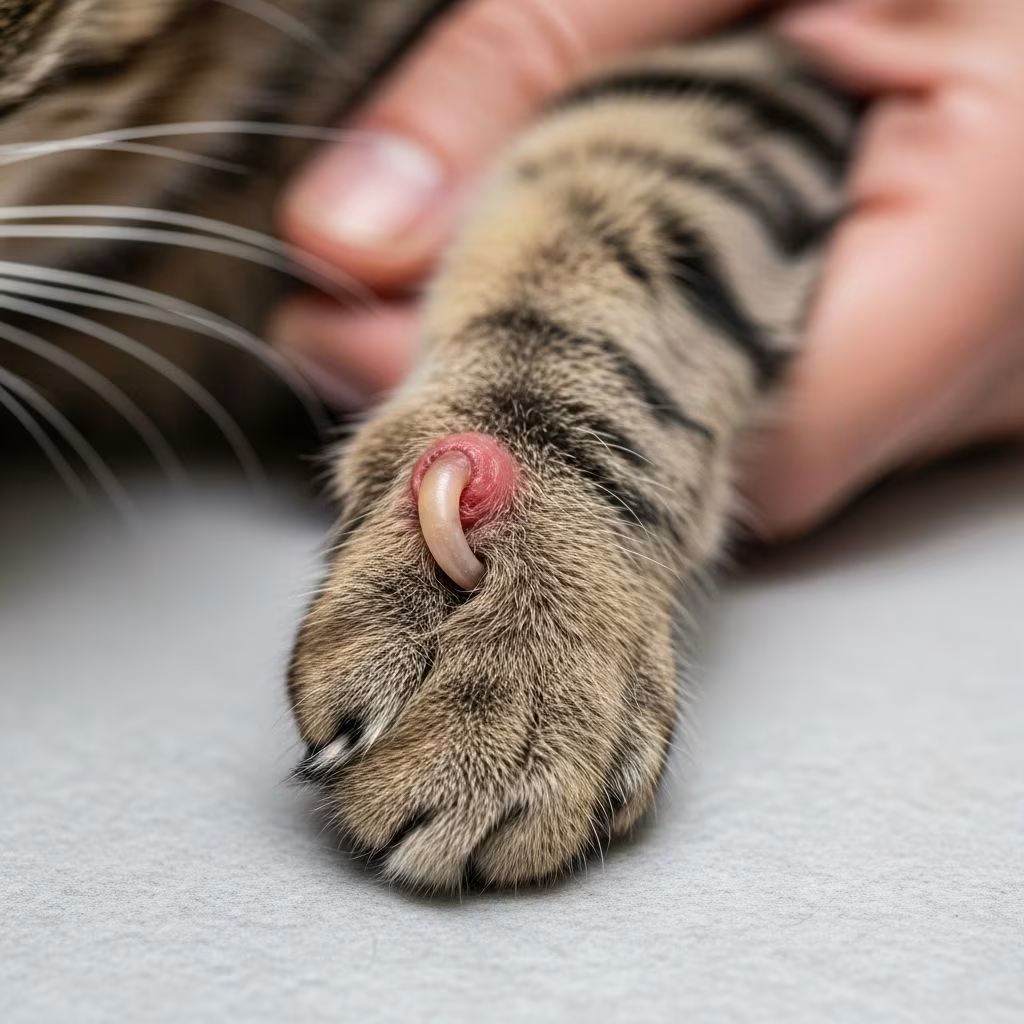
Ingrown nails in cats occur when a claw curves and embeds into the paw pad, often leading to pain, inflammation, and secondary infections. This condition, while treatable, requires prompt attention to avoid complications like abscesses or chronic lameness.
Understanding Feline Claw Anatomy
Cats possess retractable claws that grow continuously from the third phalanx of each toe. Unlike human nails, feline claws have a living vascular core called the quick, which supplies blood and nerves. When a claw grows abnormally, it can pierce the sensitive paw pad, introducing bacteria and causing infection. Indoor cats are particularly prone due to lack of natural wear on scratching surfaces.
Common Causes of Ingrown Nails in Cats
Several factors contribute to this issue:
- Genetics: Some breeds have naturally curved claws that predispose them to ingrowth.
- Obesity: Excess weight alters gait, putting uneven pressure on paws.
- Neglect: Insufficient trimming allows overgrowth.
- Trauma: Injuries can deform claws during regrowth.
- Age: Older cats may have reduced mobility, leading to less natural filing.
Recognizing these triggers helps in proactive management.
Early Warning Signs to Watch For
Subtle changes in behavior and appearance signal trouble. Cats often hide pain, so vigilance is key.
| Sign | Description | Severity Indicator |
|---|---|---|
| Limping | Favoring one paw or reluctance to jump | Mild to moderate |
| Excessive Licking | Constant grooming of affected paw | Moderate |
| Swelling | Puffiness around nail base | Moderate to severe |
| Discharge | Pus or blood from paw pad | Severe, infection likely |
| Nail Changes | Discoloration, deformity, or curling | Early warning |
Monitor during routine petting sessions, parting fur to inspect all digits, including dewclaws.
Safe Home Inspection Techniques
Perform checks weekly in a calm environment. Wrap your cat in a towel, exposing one paw at a time. Use good lighting and magnify if needed. Gently extend the claw by pressing the toe pad. Note any embedding without forcing manipulation, which could worsen injury.
Home Remedies for Mild Cases
For superficial ingrowth without infection, try these steps cautiously:
- Trimming: Use sharp cat nail clippers to cut above the embed point. Avoid the quick to prevent bleeding.
- Cleaning: Soak paw in warm Epsom salt water for 5-10 minutes daily to reduce swelling.
- Antiseptic Wash: Apply diluted chlorhexidine or povidone-iodine, then pat dry.
- Moisturizing: Rub virgin coconut oil for soothing dry skin, but only if no open wounds.
- Bandaging: Use non-stick gauze and vet wrap loosely; change daily.
Stop if your cat shows distress and seek professional help.
Professional Veterinary Interventions
When home care fails or infection sets in, vets provide targeted solutions. Expect sedation for cooperation during procedures.
- Nail Extraction: Precise clipping and pulling of the embedded portion, followed by pad cleaning.
- Antibiotics: Oral or topical for bacterial control, typically 7-14 days.
- Pain Relief: NSAIDs like meloxicam to ease discomfort.
- Surgery: Rare, for recurrent cases involving dewclaw removal.
- Drainage: If abscessed, lancing under anesthesia.
Costs range from $50-$100 for simple removal, higher with complications. Pet insurance can offset expenses.
Post-Treatment Recovery Protocol
Healing takes 1-2 weeks. Key steps include:
- Administer all medications as prescribed.
- Prevent licking with an e-collar.
- Confine to low-activity areas; remove climbable furniture.
- Daily wound checks for redness or odor.
- Follow-up exam if no improvement in 3-5 days.
Most cats regain full function quickly with compliance.
Preventing Future Ingrown Nail Problems
Proactive habits minimize risks:
- Regular Trims: Every 4-6 weeks, or provide scratching posts.
- Diet: Balanced nutrition supports claw health; omega-3 supplements for brittle nails.
- Exercise: Encourage play to wear claws naturally.
- Checkups: Annual vet exams include paw inspections.
- Weight Control: Maintain ideal body condition score.
Breed-specific needs, like Siamese with finer claws, warrant tailored routines.
Potential Complications if Untreated
Delay can escalate to osteomyelitis (bone infection) or gait abnormalities. Chronic cases may require partial digital amputation. Early action preserves paw integrity.
FAQs on Cat Ingrown Nails
Can I trim my cat’s nails myself if infected?
No, infection demands vet intervention to avoid spreading bacteria.
How long does recovery take after nail removal?
Typically 1-2 weeks with proper care.
Are certain cat breeds more prone?
Yes, those with curly claws like Persians, but any cat can be affected.
Is coconut oil safe for infected paws?
Only for non-infected, dry skin; avoid open wounds.
What if my cat won’t let me touch the paw?
Seek sedation-assisted vet care immediately.
Does pet insurance cover this?
Often yes, as routine or illness-related; check policy.
Consult resources from veterinary associations for breed-specific advice.
References
- Ingrown Nails in Cats: How to Spot Them — Pet Assure. 2023. https://www.petassure.com/maxscorner/ingrown-nails-in-cats-how-to-spot-them/
- Cat Ingrown Nail: Signs, Causes, Care, & Prevention — Holistapet. 2024. https://www.holistapet.com/blogs/cat-care/cat-ingrown-nail
- Claw and Nail Disorders in Cats — PetMD. 2025-01-15. https://www.petmd.com/cat/conditions/skin/c_ct_nail_nailbed_disorders
- Cats & Ingrown Nails: What You Should Look For — Hill’s Pet Nutrition. 2024. https://www.hillspet.com/cat-care/healthcare/cats-ingrown-nails
- What to Do If Your Pet has an Ingrown Nail — Champion Feed & Pet. 2023-08-01. https://championfeedandpet.com/blog/59486/what-to-do-if-your-pet-has-an-ingrown-nail
- Cat Ingrown Nail Removal Cost: Vet Review — MetLife Pet Insurance. 2024. https://www.metlifepetinsurance.com/blog/pet-health/cat-ingrown-nail-removal-cost/



