

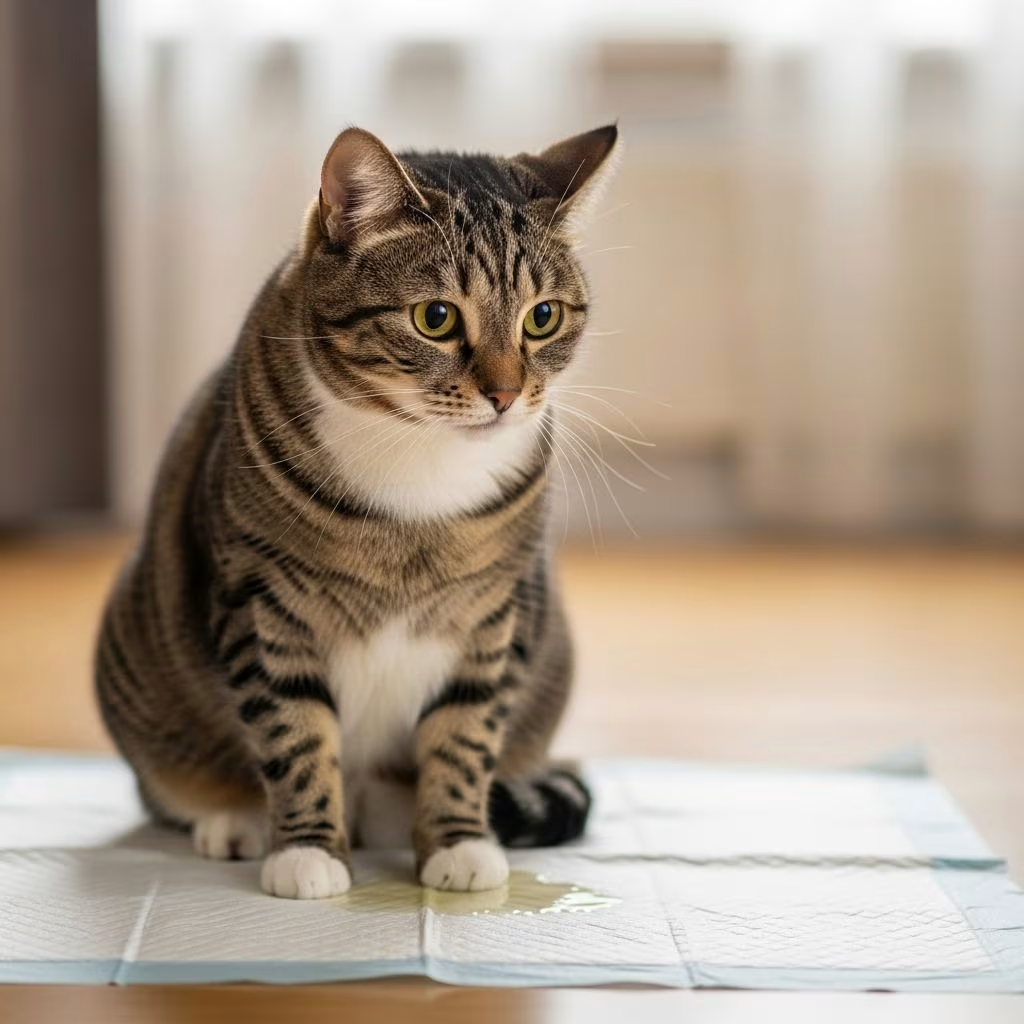
Cat incontinence, encompassing both urinary and fecal leakage, affects many felines, particularly seniors, and stems from diverse underlying issues. Prompt veterinary intervention can often resolve or manage it effectively, enhancing your pet’s well-being.
Recognizing Incontinence in Your Feline Companion
Spotting incontinence early is crucial for timely care. Urinary incontinence manifests as unintended urine dribbling, often leaving damp spots on bedding or fur around the hindquarters. Cats may not notice the leakage, continuing normal activities. Fecal incontinence involves involuntary stool passage, sometimes mixed with diarrhea from bowel disorders.
- Wet fur or paws, especially post-rest
- Puddles near sleeping areas without purposeful urination
- Strong odors from unprompted soiling
- Straining or frequent litter box attempts with minimal output
- Visible discomfort or agitation during elimination
These signs differ from behavioral issues like litter aversion, where cats deliberately avoid the box. Incontinence typically occurs passively, even during sleep.
Primary Causes of Urinary Incontinence
Urinary leakage arises from anatomical, infectious, neurological, or systemic problems. Understanding the root helps tailor solutions.
Aging and Muscle Weakness
As cats age, sphincter muscles weaken, reducing bladder control. This is prevalent in seniors over 10 years, mimicking human incontinence.
Infections and Inflammation
Urinary tract infections (UTIs) irritate the bladder, prompting frequent, urgent urination. Untreated cases scar the bladder, impairing retention.
Metabolic Disorders
Diabetes triggers excessive urine production (polyuria), overwhelming control mechanisms. Kidney disease similarly dilutes urine, fostering leaks.
Congenital and Structural Defects
Ectopic ureters bypass the bladder, causing constant drips from birth. Urethral blockages, common in males, lead to overflow incontinence.
| Cause Category | Examples | Prevalence |
|---|---|---|
| Neurological | Spinal injuries, nerve damage | High in trauma cases |
| Infectious | UTIs, cystitis | Common, treatable |
| Metabolic | Diabetes, renal failure | Increasing with obesity |
| Congenital | Ectopic ureters, sphincter defects | Rare, lifelong |
Fecal Incontinence Factors
Bowel control loss often links to gastrointestinal or neuromuscular issues. Diarrhea from inflammatory bowel disease (IBD) or parasites overwhelms the anal sphincter. Nerve damage or sphincter injuries from trauma prevent closure.
- Rectal tumors or masses disrupting function
- Anal gland disorders causing leakage
- Neurological conditions like dysautonomia
Senior cats face heightened risk due to weakened pelvic muscles.
Diagnostic Approaches for Accurate Identification
Veterinarians employ thorough exams to pinpoint causes. Initial steps include history review and physical assessment for pain, obesity, or abnormalities.
- Urinalysis to detect infections, crystals, or glucose
- Blood tests for kidney function, diabetes markers
- Imaging: Ultrasound or X-rays for stones, tumors, blockages
- Contrast studies for ectopic ureters or strictures
- Neurological exams for spinal/reflex issues
Advanced cases may require endoscopy or biopsy. Early diagnosis prevents complications like skin infections from chronic moisture.
Treatment Strategies Tailored to the Cause
Therapy targets the origin, with high success for reversible issues like infections.
Medical Interventions
Antibiotics clear UTIs; anti-inflammatories ease cystitis. For sphincter weakness, drugs like prazosin relax the urethra, preventing spasms.
Dietary and Lifestyle Adjustments
Prescription diets manage diabetes or kidney disease, reducing urine volume. Weight loss aids obese cats, lessening abdominal pressure. Increased fiber supports bowel regularity.
Surgical Options
Blockage removal, stone extraction, or perineal urethrostomy (PU surgery) for recurrent male obstructions. Congenital repairs reposition ureters.
Supportive Therapies
Acupuncture aids nerve recovery; probiotics bolster gut health. IV fluids post-blockage flush toxins.
For irreversible cases, management preserves dignity.
Home Management and Daily Care Tips
Complement vet care with practical steps to maintain hygiene and comfort.
- Cleaning Routine: Gently wash hindquarters with pet-safe wipes or warm water daily to prevent sores.
- Litter Accessibility: Use low-sided boxes; place multiple around home.
- Absorbent Products: Cat diapers or belly bands for containment; wash frequently.
- Bedding Protection: Waterproof pads under sleeping spots.
- Monitoring: Track episodes, appetite, behavior for vet updates.
Mobility aids help arthritic cats reach boxes. Pheromone diffusers reduce stress-exacerbated symptoms.
Preventive Measures for Long-Term Health
Proactive habits minimize risks. Annual senior checkups catch issues early. Maintain ideal weight via portion control and exercise. Hydration via fountains prevents crystals. Stress reduction through enrichment curbs idiopathic cystitis.
When to Seek Immediate Veterinary Help
Rush to the vet for straining, blood in urine, lethargy, or vomiting—these signal emergencies like blockages, potentially fatal without intervention.
FAQs on Cat Incontinence
Is cat incontinence always a sign of old age?
No, while common in seniors, it affects all ages due to infections, trauma, or defects.
Can diet alone fix incontinence?
Diet helps metabolic causes but not structural ones; combine with vet-prescribed treatments.
Are there diapers suitable for cats?
Yes, reusable feline diapers exist, sized by girth; ensure fit prevents chafing.
How effective is surgery for incontinence?
High success for blockages or congenital issues, with 80-90% improvement reported.
Does incontinence shorten a cat’s life?
Not directly if managed; underlying diseases like diabetes impact prognosis.
Addressing incontinence holistically improves outcomes. Collaborate with your vet for personalized plans.
References
- Managing Cat Incontinence — Hartz. 2023. https://www.hartz.com/managing-cat-incontinence/
- Incontinence in Cats: Causes, Signs & Treatment — Purina US. 2024. https://www.purina.com/articles/cat/health/symptoms/incontinence-in-cats
- Urinary Incontinence in Cats — PetMD. 2025-02-10. https://www.petmd.com/cat/conditions/urinary/c_ct_incontinence_urinary
- Bowel Incontinence in Cats — VCA Animal Hospitals. 2024. https://vcahospitals.com/know-your-pet/bowel-incontinence-in-cats
- What Is Feline Urinary Incontinence? How Is It Treated? — Chewy. 2024. https://www.chewy.com/education/cat/health-and-wellness/feline-urinary-incontinence
- Caring for an Incontinent Cat — Best Friends Animal Society. 2023. https://bestfriends.org/pet-care-resources/caring-incontinent-cat
- Urinary Incontinence in Cats — Vetster. 2025-01-15. https://vetster.com/en/symptoms/cat/urinary-incontinence



