

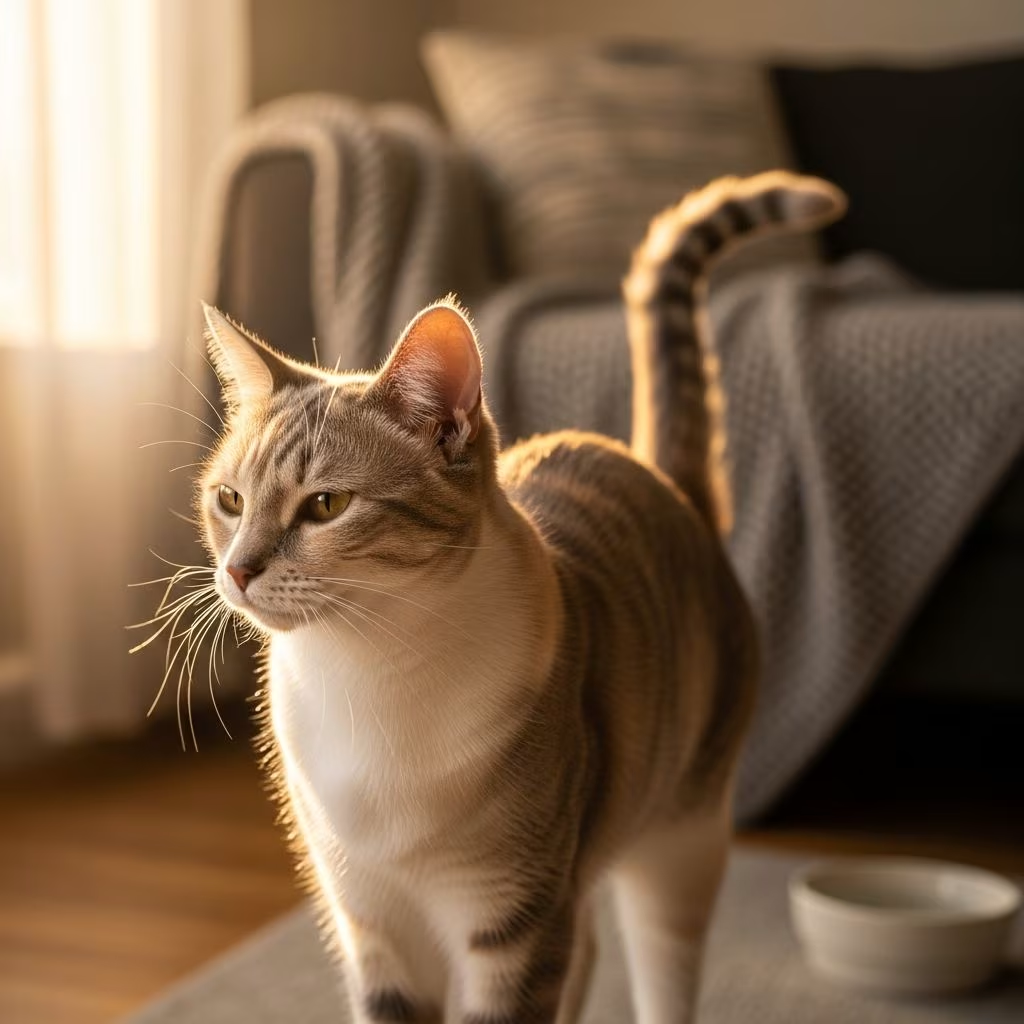
Understanding the Cat in Heat Cycle
Female cats, also known as queens, experience a reproductive cycle called estrus, commonly referred to as being “in heat.” This cycle is a natural part of a cat’s life and typically begins between 5 and 9 months of age, though some kittens may start as early as 3–4 months old. The heat cycle is influenced by factors such as daylight hours, age, and breed, with most cats experiencing their first heat during the spring and summer months when days are longer.
Signs That a Cat Is in Heat
Unlike dogs and humans, cats do not bleed during their heat cycle. The majority of symptoms are behavioral, and pet parents often notice significant changes in their cat’s demeanor. Here are the most common signs:
- Excessive vocalization: Cats in heat may yowl, meow, or wail loudly, especially at night. This vocalization is a mating call to attract male cats.
- Increased affection: Your cat may become overwhelmingly affectionate, rubbing against humans, furniture, or other pets more than usual.
- Restlessness: Cats in heat often pace, roll on the floor, or seem unable to settle down.
- Assuming the mating position: Your cat may raise her hindquarters and move her tail to the side, a posture known as lordosis.
- Urinating frequently or inappropriately: Some cats may urinate more often or outside the litter box, though this is less common.
- Changes in appetite: Your cat may eat less or lose interest in food altogether.
How Long Does a Cat’s Heat Cycle Last?
The duration of a cat’s heat cycle can vary, but it typically lasts between 7 and 10 days. However, some cycles may be as short as 3 days or as long as 14 days. If your cat does not mate during this time, she may go into heat again every 2–3 weeks throughout the breeding season. This frequent cycling can be stressful for both the cat and the pet parent.
Behavioral Changes During Heat
The behavioral changes associated with a cat in heat can be quite dramatic. Many pet parents worry that their cat is in pain due to the intensity of these changes. While being in heat is not painful, it can make your cat restless and uncomfortable. Here are some specific behaviors to watch for:
- Increased vocalization: Cats may yowl or meow incessantly, especially at night.
- Attention-seeking: Your cat may demand more affection, rub against you, or follow you around the house.
- Restlessness: Cats may pace, roll on the floor, or seem unable to relax.
- Assuming the mating position: Your cat may raise her hindquarters and move her tail to the side.
- Changes in appetite: Your cat may eat less or lose interest in food.
- Urinating frequently or inappropriately: Some cats may urinate more often or outside the litter box.
Physical Changes During Heat
While the majority of symptoms are behavioral, there are some physical changes to be aware of:
- Raised hindquarters and tail positioning: This is a classic sign of a cat in heat.
- Increased genital licking: Cats may lick their genital area more frequently.
- Slight swelling of the vulva: The vulva may appear slightly swollen.
- Marking territory with urine: Some cats may spray urine to mark their territory.
- Changes in appetite: Your cat may eat less or lose interest in food.
Managing a Cat in Heat
Managing a cat in heat can be challenging, but there are several strategies to help your cat feel more comfortable:
- Provide a quiet, comfortable space: Create a calm environment where your cat can rest.
- Offer extra affection: Spend time with your cat and provide plenty of attention.
- Keep your cat indoors: Prevent your cat from escaping and mating with other cats.
- Monitor for signs of distress: If your cat shows signs of severe distress or illness, consult your veterinarian.
- Consider spaying: Spaying your cat can prevent future heat cycles and reduce the risk of certain health issues.
When to Consult a Veterinarian
While being in heat is a normal part of a cat’s life, there are times when you should consult a veterinarian:
- Sudden behavioral changes: If your cat experiences sudden or severe behavioral changes, talk to your vet.
- Signs of illness: If your cat shows signs of illness, such as vomiting, diarrhea, or lethargy, seek veterinary care.
- Excessive vocalization: If your cat’s vocalization is excessive or seems to be causing distress, consult your vet.
- Changes in appetite: If your cat stops eating or drinking for more than 12 hours, seek veterinary advice.
Frequently Asked Questions
What are the most common behavioral symptoms indicating my cat is in heat?
The most common symptoms include loud yowling, excessive affection, restlessness, and assuming the mating position with raised hindquarters and tail to the side.
How long does a typical heat cycle last in female cats?
A typical heat cycle lasts between 7-10 days, though it can range from 3-14 days. Without mating, cats can go into heat again every 2-3 weeks during breeding season.
Why does my cat in heat vocalize loudly and seem restless at night?
Cats vocalize loudly during heat to attract potential mates. This behavior often intensifies at night due to their natural nocturnal tendencies and increased hormonal activity.
Can a cat in heat bleed, and what signs should prompt a vet visit?
Unlike dogs, cats typically don’t bleed during heat. Any vaginal bleeding should prompt an immediate vet visit, as this could indicate an underlying health issue.
Is being in heat painful for cats?
No, being in heat isn’t painful, but it can make your cat restless. You may notice she paces around the house and craves more affection than usual. Be patient with your kitty and try to make her comfortable during this period.
Conclusion
Understanding the signs, duration, and care for cats in heat is essential for every pet parent. By recognizing the behavioral and physical changes associated with the heat cycle, you can provide the necessary support and comfort for your cat. If you have any concerns or notice signs of distress, consult your veterinarian for guidance.
References
- Cat in Heat Symptoms: Complete Guide for Pet Parents — PetsCare. 2023. https://www.petscare.com/news/post/cat-in-heat-symptoms-guide
- Heatstroke in Cats: Signs, Treatment, and Prevention — PetMD. 2023. https://www.petmd.com/cat/conditions/systemic/heatstroke-cats
- Cats in Heat: How Long It Lasts and What To Do — PetMD. 2023. https://www.petmd.com/cat/general-health/cat-in-heat



