

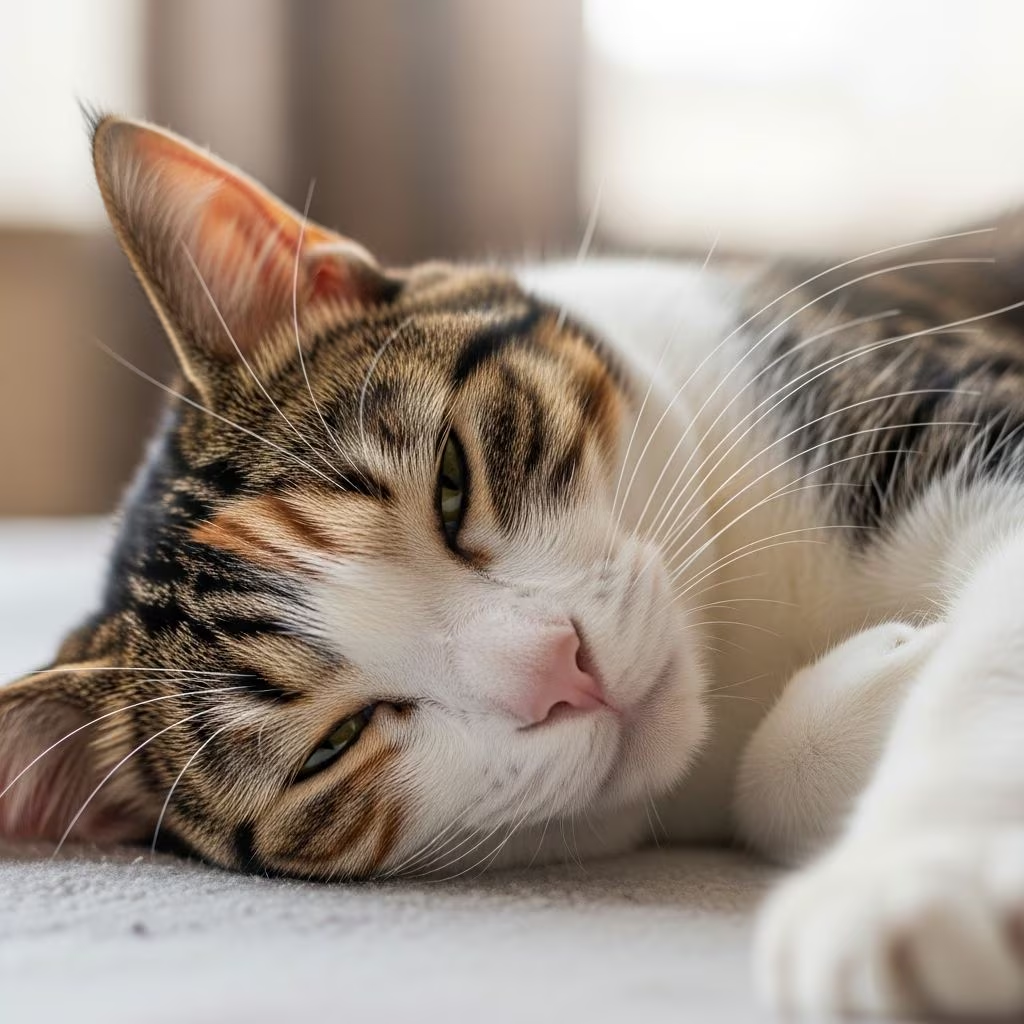
When a cat remains still while continuing to breathe, owners often become concerned about what this behavior might indicate. This combination of reduced movement paired with continued respiration can signal anything from temporary stress to serious underlying medical conditions. Understanding the potential causes and recognizing critical warning signs enables pet owners to respond appropriately and potentially save their cat’s life.
The Significance of Stillness Combined with Breathing
Cats are naturally active creatures that engage in multiple daily activities including grooming, playing, hunting, and exploring their environment. When a cat abandons these typical behaviors and remains immobile while maintaining normal breathing patterns, it often indicates something requires attention. This state of reduced mobility, known as lethargy or inactivity, frequently accompanies various health challenges that range from minor to life-threatening.
The fact that your cat continues to breathe while immobile is actually significant—it indicates that at minimum, the cat’s respiratory system is functioning. However, the underlying cause of immobility demands investigation, as several serious conditions can produce this exact presentation.
Common Medical Causes of Feline Immobility
Multiple medical conditions can cause cats to remain still and inactive while their breathing continues normally. Understanding these possibilities helps owners distinguish between situations requiring immediate veterinary attention and those that may resolve with monitoring.
Respiratory and Cardiovascular Issues
One of the most significant categories involves the lungs and heart. When cats experience difficulty oxygenating their blood, they often become lethargic as their bodies conserve energy. Conditions affecting respiration can include infections, asthma, or fluid accumulation within the lungs or surrounding spaces. Heart disease, particularly when accompanied by congestive heart failure, forces the cardiovascular system to work harder, leaving cats exhausted and reluctant to move.
Additionally, anemia—a condition involving reduced red blood cell counts—prevents adequate oxygen delivery throughout the body. Since red blood cells carry the oxygen necessary for generating energy, cats with anemia frequently exhibit extreme lethargy and immobility.
Infections and Inflammatory Conditions
Fighting off infections demands significant energy expenditure from a cat’s immune system. Whether caused by bacteria, viruses, or other organisms, infections drain energy reserves and trigger lethargy. Respiratory infections specifically can produce both immobility and breathing changes simultaneously.
Other inflammatory conditions affecting digestion, such as inflammatory bowel disease, can also contribute to reduced activity and withdrawal from normal behaviors.
Metabolic and Endocrine Disorders
Conditions involving hormonal imbalances significantly impact a cat’s overall energy levels and activity. Diabetes and other endocrine abnormalities disrupt normal physiological processes throughout the body, creating a sense of malaise that manifests as stillness and reduced engagement. Similarly, liver and kidney disease allow waste products to accumulate, making cats feel sick and promoting inactivity.
Gastrointestinal and Nutritional Factors
Poor digestion or inadequate nutrient absorption reduces a cat’s ability to generate energy, leading to extended periods of inactivity and reduced interest in movement. Cats require proper nutrition to maintain alertness and engagement with their environment.
Environmental and Behavioral Causes
Not all instances of immobility stem from medical conditions. Environmental factors and behavioral responses can also explain why a cat remains still.
Stress and Anxiety Responses
Cats exposed to stressful situations—such as loud noises, household disruptions, new pets, or environmental changes—may freeze or remain still as a coping mechanism. During these stress responses, cats may exhibit shallow or rapid breathing patterns. This defensive behavior temporarily reduces their visibility and energy expenditure while they assess the threat.
Rest and Sleep Cycles
Healthy cats sleep extensively, often for 12 to 16 hours daily. During these rest periods, cats naturally remain immobile while continuing to breathe normally. This represents normal feline behavior rather than a health concern, though distinguishing between normal rest and concerning immobility can sometimes challenge owners.
Pain and Discomfort
Cats experiencing pain from injuries, arthritis, or other conditions may remain still to minimize movement and associated discomfort. Minimizing movement becomes a natural pain management strategy for injured or aching felines.
Warning Signs Requiring Immediate Veterinary Attention
While some instances of immobility resolve independently, certain warning signs demand urgent professional evaluation. These indicators suggest serious underlying conditions requiring immediate intervention:
- Changes in breathing patterns: Any departure from normal breathing—including rapid breathing at rest, open-mouth breathing, wheezing, or noisy respiration—warrants immediate evaluation.
- Discolored gums: Pale, white, or blue-tinged gums indicate poor oxygenation or circulatory problems.
- Refusal to eat or drink: When immobility accompanies loss of appetite lasting more than 24 hours, veterinary assessment becomes urgent.
- Vomiting or diarrhea: These symptoms combined with immobility suggest digestive or metabolic problems.
- Apparent confusion or unresponsiveness: Dazed or confused behavior alongside immobility may indicate toxin exposure, neurological distress, or severe infection.
- Prolonged coughing: Persistent coughing combined with immobility suggests respiratory compromise.
- Inability to urinate or defecate: These symptoms indicate potential urinary tract or bowel obstruction.
- Excessive drooling or foaming: These signs may indicate airway problems or seizure activity.
- Trembling or seizure activity: These neurological signs require immediate professional attention.
Distinguishing Severity: Assessment Framework
Pet owners can use several observations to gauge severity and determine urgency of veterinary care:
Duration and Consistency
Immobility lasting several hours or recurring across multiple days suggests underlying medical issues rather than temporary stress. Similarly, if immobility appears consistent rather than intermittent, medical evaluation becomes more important.
Associated Symptoms
The presence of additional symptoms—particularly those affecting breathing, appetite, or elimination—increases concern levels substantially. Isolated immobility without other symptoms may indicate stress or normal rest, while immobility accompanied by other changes strongly suggests medical involvement.
Responsiveness Level
A cat that remains immobile but responds to stimuli, acknowledges their owner, or shows interest in their surroundings may simply be resting. Conversely, a cat that appears unresponsive, confused, or difficult to arouse indicates a more serious condition.
Breathing Rate as a Diagnostic Clue
Normal feline breathing involves 10 to 30 breaths per minute during rest. Breathing rates exceeding 40 breaths per minute during inactivity may indicate underlying respiratory or metabolic distress. Owners can count their cat’s breaths by observing chest rise and fall for one minute to establish if abnormal rates are present.
Additionally, the type of breathing matters. Normal breathing involves quiet expansion and contraction of the chest. Noisy breathing, labored chest movement, or visible abdominal effort suggest respiratory compromise.
Common Questions About Immobile But Breathing Cats
Is it normal for cats to be still for long periods?
Yes, cats naturally rest extensively. However, immobility should not prevent them from responding to stimuli, showing interest in their surroundings, or engaging when motivated. If a cat remains indifferent even during normally exciting activities like treat time or playtime, this represents abnormal behavior warranting attention.
When should I call my veterinarian about immobility?
Contact your veterinarian immediately if immobility appears sudden, if breathing patterns change, if appetite or drinking habits alter, or if any warning signs develop. If uncertainty exists about urgency, calling your veterinary clinic for guidance remains advisable.
Can stress alone cause prolonged immobility in cats?
While stress can temporarily cause freezing or reduced activity, prolonged immobility lasting more than several hours typically indicates medical involvement rather than pure stress response. Stressed cats generally resume normal activity once the stressor resolves.
What should I do if my cat seems immobile but appears to be breathing normally?
Gently attempt to interest your cat in activity using favorite toys or treats. Observe whether your cat responds or shows interest. Check gums for normal pink coloration and count breathing rate. If your cat responds and all other indicators appear normal, quiet monitoring for several hours is reasonable. If immobility persists beyond a few hours or if any concerning symptoms develop, contact your veterinarian.
Could immobility indicate pain in my cat?
Absolutely. Cats experiencing pain often minimize movement to reduce discomfort. If immobility appears to involve reluctance to move rather than peaceful rest, pain may be involved. Injured cats or those with conditions like arthritis commonly exhibit this pattern.
What to Report to Your Veterinarian
When seeking professional evaluation, specific observations help your veterinarian efficiently diagnose the underlying cause. Prepare information about:
- When the immobility began and whether it appeared sudden or gradual
- Any changes in appetite, drinking, or elimination patterns
- Current medication or recent medication changes
- Breathing characteristics and rate
- Gum color and general appearance
- Any recent injuries, exposures, or behavioral changes
- Vaccination status and indoor versus outdoor lifestyle
- Any vomiting, coughing, sneezing, or discharge
Preventive Measures and Monitoring
While not all conditions can be prevented, certain measures support feline health and enable early detection of problems. Regular veterinary examinations allow professionals to identify developing issues before they become severe. Maintaining appropriate diet, providing environmental enrichment, and minimizing stress all support overall wellbeing.
Additionally, owners should maintain awareness of their individual cat’s normal patterns, energy levels, and behaviors. Recognizing deviations from these baseline patterns enables prompt identification of concerning changes.
Conclusion
A cat that remains immobile while continuing to breathe may simply be resting, or it may signal various underlying health concerns ranging from minor to serious. The key to appropriate response involves observing associated symptoms, assessing severity through a framework considering duration and responsiveness, and seeking professional evaluation when uncertainty exists or warning signs develop. Trust your instincts as a pet owner—when something feels wrong about your cat’s behavior or condition, veterinary assessment provides both peace of mind and potentially life-saving diagnosis and treatment.
References
- Breathing Problems in Cats — PDSA. Accessed January 2026. https://www.pdsa.org.uk/pet-help-and-advice/pet-health-hub/symptoms/breathing-problems-in-cats
- Open-Mouth Breathing in Cats: Immediate Steps for a Pet Emergency — GSVS. Accessed January 2026. https://gsvs.org/blog/cat-open-mouth-breathing-immediate-steps/
- Breathing Problems In Cats (Dyspnea) — Trudell Animal Health. Accessed January 2026. https://trudellanimalhealth.com/blogs/blog/breathing-problems-in-cats-dyspnea
- Lethargic Cats: Causes, Symptoms, and What To Do — PetMD. Accessed January 2026. https://www.petmd.com/cat/symptoms/why-my-cat-lethargic
- Why is my Cat Breathing Heavy & What Can I Do — Columbia Vets (Maury County Veterinary Services). Accessed January 2026. https://www.maurycountyvet.com/site/blog/2023/07/31/cat-breathing-heavy–what-can-do
- Dyspnea (Difficulty Breathing) — Cornell Feline Health Center, Cornell University College of Veterinary Medicine. Accessed January 2026. https://www.vet.cornell.edu/departments-centers-and-institutes/cornell-feline-health-center/health-information/feline-health-topics/dyspnea-difficulty-breathing
- Lethargy in Cats: Causes, Symptoms, and When It’s an Emergency — VEG (Veterinary Emergency Group). Accessed January 2026. https://www.veg.com/post/6-emergency-signs-of-cat-lethargy



