

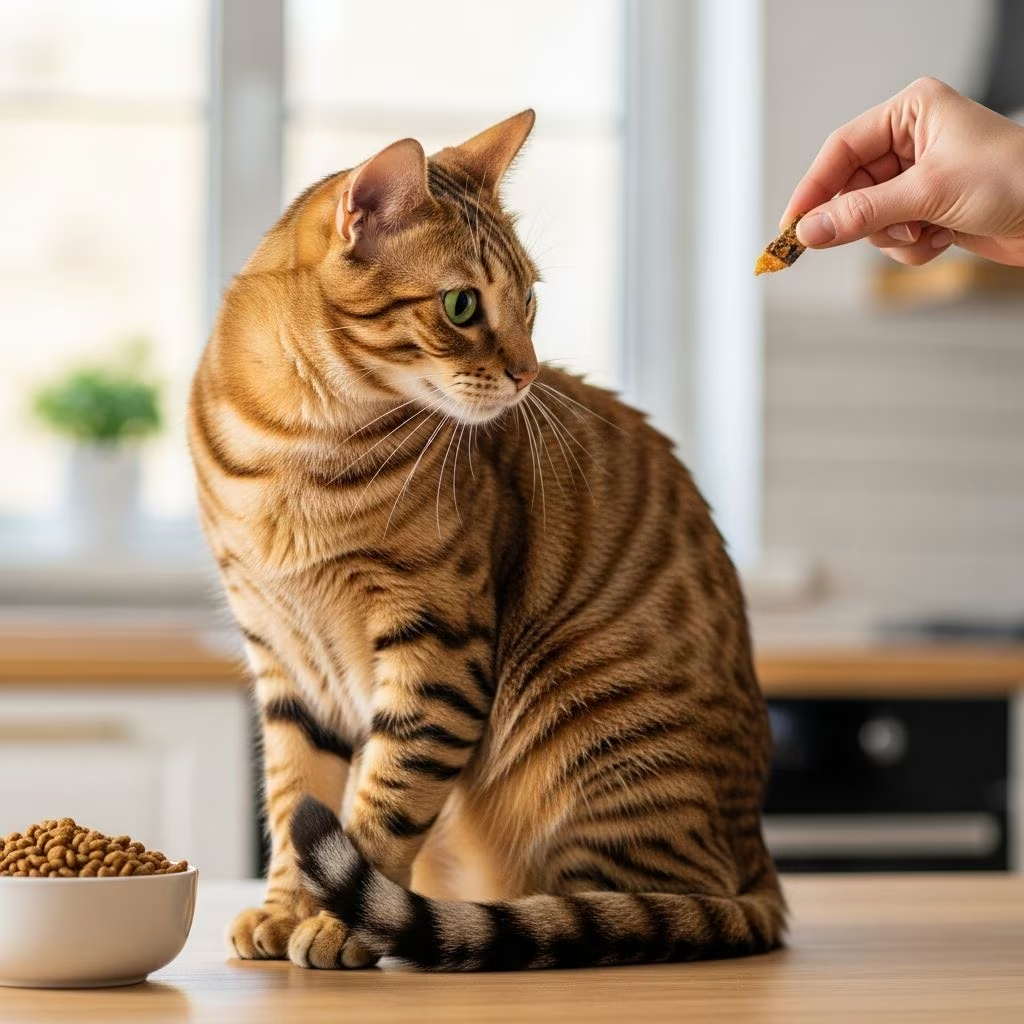
Your feline friend turns up their nose at the bowl of crunchy kibble but purrs for every treat you offer. This selective eating frustrates many cat owners, raising concerns about nutrition and health. Understanding the root causes—ranging from physical discomfort to behavioral quirks—empowers you to guide your cat back to a balanced diet.
Decoding Selective Eating in Cats
Cats are obligate carnivores with finely tuned senses, making them prone to finicky appetites. When they bypass nutrient-dense dry food for calorie-packed treats, it signals an underlying issue. Dry kibble provides essential proteins, fats, vitamins, and minerals for muscle maintenance, coat health, and immunity, yet its low moisture (around 10%) and uniform texture differ sharply from moist treats.
Maintaining consistent nutrition prevents deficiencies in taurine or omega fatty acids, vital for heart and eye function. Persistent refusal can lead to weight loss, fatty liver disease (hepatic lipidosis), or weakened immunity, especially in overweight or senior cats.
Primary Health Factors Behind Kibble Rejection
Medical conditions often explain why cats favor soft treats over hard kibble. Pain or illness makes crunching kibble unappealing, while treats’ smaller size and softer consistency slip by.
Oral and Dental Discomfort
Dental disease affects up to 70% of cats over age three, causing gum inflammation, tooth resorption, or abscesses. Chewing kibble exacerbates pain, leading to drooling, pawing at the mouth, or eating only on one side. Treats, often softer, evade this discomfort.
- Signs to watch: Bad breath, tartar buildup, bleeding gums, or food dropping from mouth.
- Action steps: Schedule a vet dental exam; consider professional cleaning under anesthesia.
Digestive and Systemic Illnesses
Gastrointestinal upset from parasites, inflammatory bowel disease, or nausea reduces appetite for bulky kibble. Cats may vomit, have diarrhea, or show lethargy alongside refusal. Kidney issues or hyperthyroidism in seniors also suppress hunger for dry food due to altered taste perception.
- Parasites like roundworms irritate the gut, making large meals intolerable.
- Monitor for weight loss over 10% body mass or dehydration (skin tenting).
Environmental and Stress-Related Triggers
Cats thrive on predictability; disruptions prompt appetite suppression as a survival instinct.
Routine Disruptions and Anxiety
New pets, rearranged furniture, loud noises, or absent owners spike cortisol, halting normal eating. A cat startled during meals may associate the bowl with negativity. Multi-cat homes foster competition, where dominant felines guard kibble.
- Create quiet feeding zones away from litter boxes or high-traffic areas.
- Use pheromone diffusers like Feliway to mimic calming scents.
Hydration Shortfalls
Dry food demands extra water intake (at least 3-4 ounces per 5 pounds body weight daily). Hot weather, empty bowls, or unappealing water sources lead to thirst, worsening with kibble’s drying effect. Cats prefer running water; fountains boost consumption by 20-30%.
| Water Source Type | Pros | Cons |
|---|---|---|
| Still Bowl | Simple, inexpensive | Stagnant, bacteria-prone |
| Fountain | Encourages drinking, filtered | Requires cleaning, electricity |
| Flavor Additives | Tempts picky drinkers | Calories add up; vet-approved only |
Food Quality and Palate Problems
Sensory shifts or quality issues turn kibble unpalatable.
Picky Preferences and Flavor Fatigue
Cats detect recipe tweaks via 470 taste buds (versus humans’ 9,000), rejecting even minor changes. Long-term same-brand feeding breeds boredom; treats’ novel flavors (fish, chicken liver) overshadow bland kibble.
- Rotate proteins: beef one week, salmon next.
- Warm kibble slightly (body temperature) to enhance aroma.
Spoiled or Stale Kibble
Open bags lose crispness in humid air, fostering mold or rancid fats. Check for off odors, clumping, or pests. Shelf life post-opening: 4-6 weeks max.
- Store in airtight containers in cool, dark spots.
- Buy smaller bags for frequent eaters.
Treat Overload: The Spoiling Trap
Treats comprise 10-20% flavor enhancers like animal digest, dwarfing kibble’s nutrition. Overfeeding (beyond 10% daily calories) conditions cats to “hold out” for rewards, mimicking toddler tantrums. A 3-ounce cat needs only 200-250 calories daily; treats sabotage this.
Proven Solutions to Reignite Appetite
Address causes systematically for sustainable results.
Veterinary Evaluation First
Rule out illness with bloodwork, fecal tests, and oral exams. If healthy, proceed to tweaks. Never fast a cat over 24 hours.
Dietary Transition Tactics
- Mix-ins: Add tuna juice, plain yogurt, or broth to moisten kibble.
- Toppers: Sprinkle freeze-dried treats (1 tsp max) as lure.
- Gravy switch: Soak kibble in warm water 10 minutes for pate-like texture.
- Free-feeding halt: Scheduled meals twice daily; remove uneaten food after 20 minutes to build hunger.
Behavioral Retraining
Eliminate treats for 1-2 weeks; reward eating kibble with play. Puzzle feeders engage hunting instincts, slowing intake and reducing boredom.
- Slow transition: 75% old/25% new kibble, shifting over 7-10 days.
- Multi-species households: Separate feeding times.
Nutritional Alternatives and Long-Term Strategies
If kibble aversion persists, hybrids balance moisture and crunch.
| Food Type | Moisture % | Best For | Drawbacks |
|---|---|---|---|
| Dry Kibble | 10% | Dental health, convenience | Dehydration risk |
| Semi-Moist | 25-30% | Transition picky eaters | Higher cost |
| Wet Food | 78% | Hydration, seniors | Refrigeration needed |
Aim for AAFCO-approved formulas meeting WSAVA guidelines. Track weight weekly; consult nutritionists for custom plans.
FAQs: Common Queries on Feline Food Fussiness
Is it dangerous if my cat skips kibble for days?
Yes, beyond 24-48 hours risks hepatic lipidosis. Vet intervention needed if lethargy or vomiting occurs.
How do I wean off treat dependency?
Gradually reduce to 5% calories; use kibble as treats by crushing into play rewards.
Can age factor into kibble refusal?
Seniors (11+) lose taste buds and teeth; opt for senior formulas with softer kibble.
What if mixing wet food works temporarily?
Fine short-term; rotate to prevent new pickiness. Ensure calorie matching.
Does breed influence eating habits?
Breed-minimal; Persians may struggle with flat faces and dental issues.
Preventing Future Episodes
Annual vet checkups, dental prophylaxis, and varied diets fortify resilience. Fresh water, stress-free zones, and measured treats sustain harmony. Your proactive steps ensure a thriving, well-fed companion.
References
- 6 Reasons Why Your Cat Is Not Eating and What To Do — PetMD. 2023-05-15. https://www.petmd.com/cat/nutrition/cat-not-eating-what-to-do
- Cat Won’t Eat Dry Food? When To Worry — Cats.com. 2024-02-10. https://cats.com/cat-wont-eat-dry-food
- Addressing Concerns When a Cat Refuses Dry Food — Under the Weather Pet. 2023-11-20. https://www.undertheweatherpet.com/blogs/under-the-weather/dry-food-dilemma-addressing-concerns-when-a-cat-refuses-dry-food
- Why Has My Cat Stopped Eating Dry Food But Still Eats Treats? — Catster. 2024-08-05. https://www.catster.com/nutrition/why-has-cat-stopped-eating-dry-food-but-eats-treats/
- Why Is My Cat Not Eating Food but Will Eat Treats? — Basepaws. 2023-09-12. https://basepaws.com/blog/your-cat-eats-treats-but-not-food-what-to-do



