
Cat Hydration Guide: Water Needs & Dehydration Prevention
Discover essential daily water requirements for cats, smart strategies to boost intake, and vital signs to prevent dehydration in your feline friend.
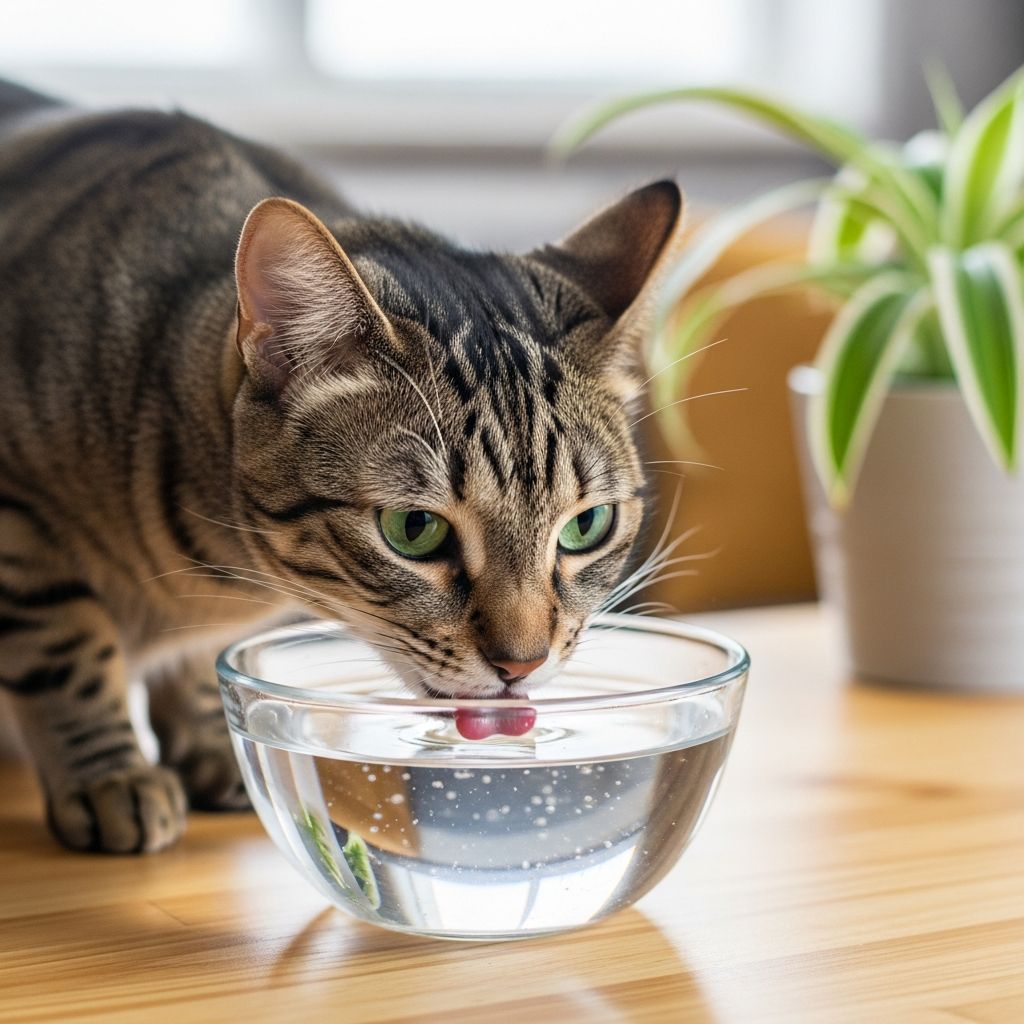
A cat’s body consists of 50-70% water, making proper hydration crucial for regulating body temperature, supporting digestion, and maintaining kidney function. Understanding your cat’s specific water requirements and implementing strategies to ensure adequate intake can prevent serious health issues like urinary tract problems and chronic dehydration.
Understanding Feline Water Requirements
Cats evolved as desert-dwelling hunters, deriving much of their moisture from prey with high water content. Modern domestic cats, however, often rely on provided water sources, especially those fed dry kibble. Daily water needs vary by body weight, diet type, age, activity level, and environmental factors like temperature and humidity.
Veterinary guidelines recommend approximately 50-70 mL of water per kilogram of body weight daily for adult cats. For a typical 4-5 kg cat, this equates to 200-350 mL per day. Converting to ounces, cats require about 3.5-4.5 ounces per 5 pounds of body weight, meaning a 10-pound cat needs 7-9 ounces (roughly 1 cup) daily.
| Cat Weight | Daily Water Need (mL) | Daily Water Need (oz) |
|---|---|---|
| Kitten (1.4 kg / 3 lbs) | 70-100 | 2.5-3.5 |
| 6-month kitten (2.7 kg / 6 lbs) | 135-190 | 4.5-6.5 |
| Average adult (4 kg / 9 lbs) | 200-280 | 7-9.5 |
| Large adult (6 kg / 13 lbs) | 300-420 | 10-14 |
These figures represent total fluid intake, including water from food and metabolic sources. Prey or wet food provides 70-80% moisture, potentially covering most needs, while dry food (10% moisture) demands more drinking.
How Diet Influences Hydration Levels
The type of food dramatically affects how much extra water cats must drink. Dry kibble, with only 10% water, requires cats to consume an ounce of water per half-ounce of food to compensate. Wet canned food, conversely, delivers 70-80% moisture, often fulfilling 70% or more of daily requirements.
- Dry Food Diets: Promote higher urine output when paired with ample water but risk under-hydration if cats don’t drink enough.
- Wet Food Diets: Naturally boost fluid intake; studies show cats on high-moisture foods produce more dilute urine, reducing kidney stone risks.
- Mixed Diets: Balance nutrition and hydration; aim for at least 25% wet food to enhance overall moisture.
Metabolic water from oxidizing food—0.4g from protein, 0.6g from starch, 1.1g from fat per gram—adds a small but notable contribution, especially in active cats.
Signs Your Cat May Be Dehydrated
Dehydration manifests subtly in cats. Monitor for these indicators:
- Lethargy or weakness
- Dry, sticky gums
- Sunken eyes or elevated third eyelid
- Loss of skin elasticity (skin tenting test: pinch skin on scruff; it should snap back instantly)
- Reduced appetite or vomiting
- Dark, concentrated urine or infrequent urination
Severe cases lead to organ stress, particularly kidneys. Cats with diabetes, kidney disease, or hyperthyroidism drink more (polydipsia); sudden drops signal problems.
Proven Strategies to Encourage Drinking
Cats are picky drinkers, preferring running water, fresh tastes, or specific locations. Experiment with these evidence-based tips:
- Multiple Stations: Place bowls in quiet, elevated spots away from food and litter boxes. Offer 3-5 options in multi-cat homes.
- Bowl Variety: Use shallow ceramic, glass, or stainless steel bowls (under 15 cm diameter). Avoid plastic, which retains odors.
- Water Fountains: Circulating water appeals to instincts; many cats prefer it, increasing intake by 20-50%.
- Flavor Enhancers: Add tuna water, low-sodium broth, or meat cooking liquid (salt-free for kidney patients). Ice cubes with flavor encourage play-drinking.
- Freshness First: Change water twice daily; use filtered or spring water if tap smells chlorinated.
Transition to wet food gradually, mixing with dry to maintain appeal while boosting hydration.
Age-Specific Hydration Considerations
Kittens need proportionally more water due to rapid growth and higher metabolisms—up to 100 mL/kg. Seniors, prone to kidney issues, benefit from wet diets and monitored intake. Pregnant or nursing queens require 2-3 times normal amounts.
Environmental Factors Affecting Intake
Hot weather, dry air, or heating increases needs by 10-20%. Indoor cats in low-humidity homes dehydrate faster. Provide cool, accessible water during summer.
Health Conditions and Water Balance
Conditions like chronic kidney disease cause excessive thirst; untreated, they lead to cycles of dehydration. Dental pain or stress reduces drinking. Annual vet check-ups catch issues early. For at-risk cats, subcutaneous fluids may be prescribed.
DIY Hydration Boosters and Myths
Myth: Milk is ideal—most cats are lactose intolerant, but small amounts (under 2g/kg body weight) are safe.
DIY Ideas:
- Freeze broth into treat-sized cubes.
- Mix wet food with extra water for soupy texture.
- Use puzzle feeders with diluted wet food.
Monitoring and Tracking Intake
Weigh bowls daily or use marked containers. Normal intake: 10-12 small drinks. Apps or journals help spot trends. Consult a vet if intake drops below 40 mL/kg or exceeds 100 mL/kg persistently.
Frequently Asked Questions
How can I tell if my cat is drinking enough?
Perform the skin tenting test and check gum moisture. Track total intake against weight-based guidelines.
Is tap water safe for cats?
Yes, if clean; filter if chlorinated.
Why does my cat prefer puddles over bowls?
Fresh, moving, or novel-tasting water mimics wild sources.
Can dehydration cause urinary crystals?
Yes, concentrated urine promotes stones; high-moisture diets prevent this.
What if my cat still won’t drink?
Vet evaluation for medical issues; consider wet food switch or fluids.
References
- Water intake and feline drinking behavior — Royal Canin Academy. 2023. https://academy.royalcanin.com/en/veterinary/the-water-requirements-and-drinking-habits-of-cats
- How much fluid does a cat need? — Happy Cat Petfood. 2024. https://happycat-petfood.com/cat-advisor/cat-nutrition/fluid-requirement
- How Much Water Should a Cat Drink a Day? A Hydration Guide — Northwoods Veterinary Hospital. 2025-03-15. https://northwoodsvet.com/how-much-water-should-a-cat-drink-a-day/
- How much water should cats drink? — Cats Protection. 2024. https://www.cats.org.uk/cats-blog/how-much-water-should-cats-drink
- Hydration — Cornell University College of Veterinary Medicine. 2023-08-10. https://www.vet.cornell.edu/departments-centers-and-institutes/cornell-feline-health-center/health-information/feline-health-topics/hydration
- Why Your Cat Won’t Drink Water and What To Do — PetMD. 2025-01-22. https://www.petmd.com/cat/symptoms/why-your-cat-wont-drink-water-and-what-do
Similar Articles








Read full bio of Sneha Tete




