

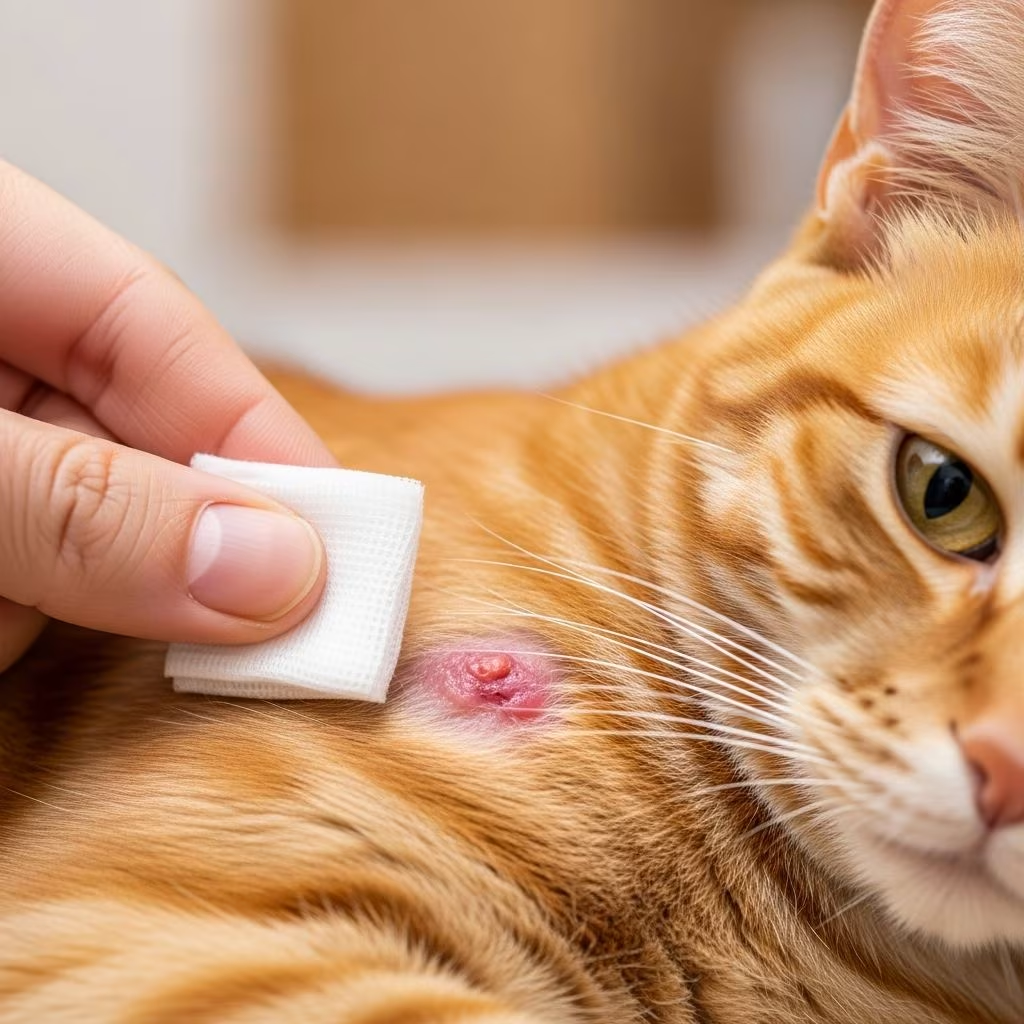
Understanding Cat Hot Spots: What You Need to Know
Cat hot spots, medically known as acute moist dermatitis, are painful skin infections that develop rapidly on your feline companion’s skin. These lesions appear as inflamed, infected areas that cause significant discomfort and distress to affected cats. Hot spots can develop due to various underlying causes, including flea infestations, allergies, poor grooming habits, or other underlying health conditions. The condition requires prompt veterinary attention to prevent complications and ensure proper healing.
Unlike minor skin irritations that may resolve on their own, hot spots demand professional intervention. The infection develops quickly and can spread if left untreated, causing your cat considerable pain and potentially leading to more serious complications. Understanding the symptoms, treatment options, and prevention strategies is essential for any cat owner concerned about their pet’s skin health.
Professional Veterinary Treatment Steps
Veterinary professionals follow a structured approach to treating cat hot spots effectively. Your veterinarian will design a specific treatment plan based on your cat’s symptoms and the underlying cause of the hot spot. Here are the primary treatment steps:
Hair Removal and Initial Cleaning
The first step in professional treatment involves removing all the hair on and around the hot spot using clippers or a special razor. This hair removal is crucial because it exposes the infected skin and allows trapped moisture and pus to be removed. Once the fur is gone, your veterinarian can thoroughly clean and dry the infected skin, giving a clearer view of the hot spot’s extent. Careful clipping with professional-grade tools ensures that the procedure is safe and effective while minimizing additional trauma to the affected area.
Diagnostic Testing
Your veterinarian may perform diagnostic testing to identify the specific cause of the hot spot. Testing typically involves tape preparations or swabs to identify whether the infection is caused by cocci, rods, yeast, or parasites. This diagnostic information guides appropriate antibiotic or antifungal therapy, ensuring that the treatment targets the specific pathogen responsible for the infection. Proper diagnosis prevents unnecessary medication and ensures faster healing.
Medication Administration
Treatment typically includes topical medications containing corticosteroids or numbing agents to reduce pain and inflammation. Your veterinarian may also prescribe antibiotics if necessary to fight bacterial infections. Some cats require sedation for the clipping and cleaning procedure, and pain medication such as Onsior may be prescribed for home administration. Long-acting topical antibiotic medications like Claro or Osurnia, which combine antibiotics with steroids to address inflammation, have shown considerable success in treating hot spots.
Medications and Pain Management
Managing pain and inflammation is a critical component of hot spot treatment. Your cat will likely receive antibiotics administered either as a one-time injection or as oral medication to be given at home. The choice between injection and oral medication depends on the severity of the infection and your cat’s specific needs.
Topical Treatments
Topical treatments are often prescribed to be applied directly to the hot spot at home to promote healing. These may include:
- Hydrocortisone creams that reduce inflammation and itching
- Antimicrobial sprays or ointments containing chlorhexidine to control bacterial growth
- Medicated sprays containing both corticosteroids and antibiotics
- Numbing agents to provide immediate pain relief
When using topical treatments, it is absolutely essential that your cat does not groom off or ingest the medication. If your cat is prescribed a medicated spray, use it exactly as directed by your veterinarian and prevent your cat from licking the spray by using a recovery cone or other anti-licking device.
Oral Medications
For more severe hot spots, your veterinarian may prescribe oral medications. Antibiotics are often necessary if the hot spot is infected, while anti-inflammatory drugs can help reduce swelling and discomfort. In some cases, short-term steroids might be prescribed to quickly reduce inflammation and break the itch-scratch cycle. Always complete the full course of any prescribed medication, even if the hot spot appears to be improving, as stopping treatment early could allow the infection to return, potentially worse than before.
Preventing Licking and Scratching
One of the most important aspects of hot spot treatment is preventing your cat from further licking or scratching the affected area. Continuous self-trauma prolongs healing and can worsen the infection. Your veterinarian will likely recommend fitting your cat with a protective device such as:
- Recovery cones (also called Elizabethan collars or e-collars)
- Soft recovery collars designed specifically for post-surgical care
- T-shirts or other clothing designed to cover the affected area
- Other specialized anti-chewing devices
These protective barriers allow the skin to heal properly by preventing your cat from accessing and further traumatizing the hot spot. While some cats find these devices uncomfortable initially, they are essential for successful treatment and recovery.
Treatment Timeline and Healing
The healing timeline for cat hot spots varies depending on the severity of the infection and how quickly treatment begins. With proper veterinary care, hot spots may start improving within 3 to 7 days of treatment. However, treatment duration varies significantly from case to case, and you should continue treatment until the hot spot is fully healed and your veterinarian gives clearance for removal of any protective devices.
Severe cases that have been present for longer periods or that have developed into chronic conditions may take longer to heal. Consistent adherence to your veterinarian’s treatment plan and preventive measures significantly impacts healing speed and the likelihood of preventing recurrence.
Special Considerations for Treatment
Some cats may require sedation for the initial clipping and cleaning procedure, particularly if they are in significant pain or resistant to handling. Your veterinarian will determine whether sedation is necessary based on your cat’s temperament and the severity of the hot spot. Pain management during and after the procedure is essential for your cat’s comfort and cooperation with treatment.
The severity of the hot spot influences treatment choices. For superficial hot spots, your veterinarian might recommend topical treatments such as Genta spray or Animax, depending on the size of the affected area. For hot spots that appear to have been present longer or are more chronic, your veterinarian would likely recommend oral antibiotics in addition to topical treatments.
Addressing Underlying Causes
Successfully treating a cat’s hot spot requires addressing the underlying cause to prevent future outbreaks. Common underlying causes include:
- Flea infestations requiring immediate parasite control
- Food allergies necessitating dietary adjustments
- Environmental allergies or contact dermatitis from skin irritants
- Poor grooming habits contributing to skin problems
- Other health conditions affecting skin integrity
Your veterinarian will work with you to identify and address these root causes. If hot spots are a recurring problem, your veterinarian might recommend medicated shampoos with skin protectants to maintain skin health and prevent future infections. Managing allergies through dietary changes, environmental management, and parasite prevention are crucial components of long-term prevention.
Home Care During Recovery
While professional veterinary treatment forms the foundation of hot spot recovery, home care plays an equally important role. Keep the area clean and dry to prevent further infection. You can gently clean the area with a mild, pet-safe shampoo and warm water as recommended by your veterinarian. Pat the area dry with a clean, soft cloth rather than rubbing it, which could cause additional irritation.
Monitor your cat closely during treatment to ensure they are not ingesting any topical treatments and that the protective device remains properly in place. Watch for signs of improvement or any adverse reactions to medications. If you notice any concerning symptoms or if the hot spot is not improving as expected, contact your veterinarian immediately.
What NOT to Do: Avoiding Common Mistakes
Home remedies, including coconut oil, apple cider vinegar, and aloe vera, are not recommended for treating cat hot spots and may actually worsen the issue. While these substances are sometimes promoted as natural alternatives, they can delay proper treatment and allow infections to progress. Avoid using human products unless specifically approved by your veterinarian, as some ingredients can be toxic to cats if ingested during grooming.
Do not attempt to treat a hot spot at home without veterinary guidance. Attempting to clip or clean the area without proper training and tools could cause additional trauma and pain. Similarly, do not use over-the-counter medications not specifically recommended by your veterinarian, as these may contain ingredients that are harmful to cats.
When to Contact Your Veterinarian
Contact your veterinarian immediately if:
- Your cat develops a hot spot or skin lesion that appears infected
- A hot spot is not improving after 7 days of proper treatment
- The hot spot appears to be spreading or worsening
- Your cat shows signs of systemic infection, such as fever or lethargy
- Your cat has an adverse reaction to prescribed medications
- You notice any other concerning changes in your cat’s skin or behavior
Prevention Strategies for Future Outbreaks
Preventing hot spots is significantly easier than treating them. Regular grooming helps you identify skin problems early and removes mats and tangles that trap moisture. Consistent parasite control prevents flea infestations, one of the most common causes of hot spots. Managing your cat’s allergies through appropriate diet and environmental controls can significantly reduce the risk of developing hot spots.
Maintain your cat’s overall skin health through proper nutrition, regular grooming, and environmental management. Keep your cat’s living space clean and dry to prevent moisture accumulation. Address any behavioral issues related to excessive grooming or scratching, as these can predispose your cat to hot spots.
Frequently Asked Questions
Q: How long does it take for a cat hot spot to heal?
A: With proper veterinary treatment, hot spots typically begin improving within 3 to 7 days. Complete healing varies by severity but generally takes 1 to 3 weeks with consistent treatment and prevention of licking.
Q: Can I treat my cat’s hot spot at home?
A: While home care is important during recovery, professional veterinary treatment is essential. Hot spots require professional cleaning, diagnosis, and medication that cannot be safely replicated at home.
Q: Will my cat need an Elizabethan collar?
A: In most cases, yes. Preventing your cat from licking or scratching the hot spot is crucial for healing. Your veterinarian will recommend an appropriate protective device based on your cat’s needs.
Q: What causes hot spots in cats?
A: Hot spots can result from fleas, allergies, poor grooming, or underlying health conditions. Your veterinarian will help identify the specific cause to prevent recurrence.
Q: Are home remedies safe for treating hot spots?
A: No. Home remedies like coconut oil and apple cider vinegar are not recommended and may worsen the infection. Always use treatments prescribed by your veterinarian.
References
- Cat Hot Spot Treatment: How To Treat Hot Spots on Cats — Chewy. Accessed 2025. https://www.chewy.com/education/cat/health-and-wellness/cat-hot-spot-treatment
- Hot Spots in Cats: 7 Proven Treatments for Fast Relief — The Pet Vet. Accessed 2025. https://thepetvet.com/hot-spots-in-cats/
- Hot Spots in Cats: Causes, Treatment & Prevention — VCA Animal Hospitals. Accessed 2025. https://vcahospitals.com/shop/articles/identify-prevent-hot-spots
- Hot Spots on Cats — PetMD. Accessed 2025. https://www.petmd.com/cat/conditions/skin/hot-spots-cats
- Hot Spots in Cats – Vet Guide 2025 — AskAVet.com. Accessed 2025. https://askavet.com/blogs/news/hot-spots-in-cats-vet-guide-2025/
- Vet Tips for Hot Spot Treatment — IndeVets. Accessed 2025. https://indevets.com/blog/vet-tips-for-hot-spot-treatment/



