

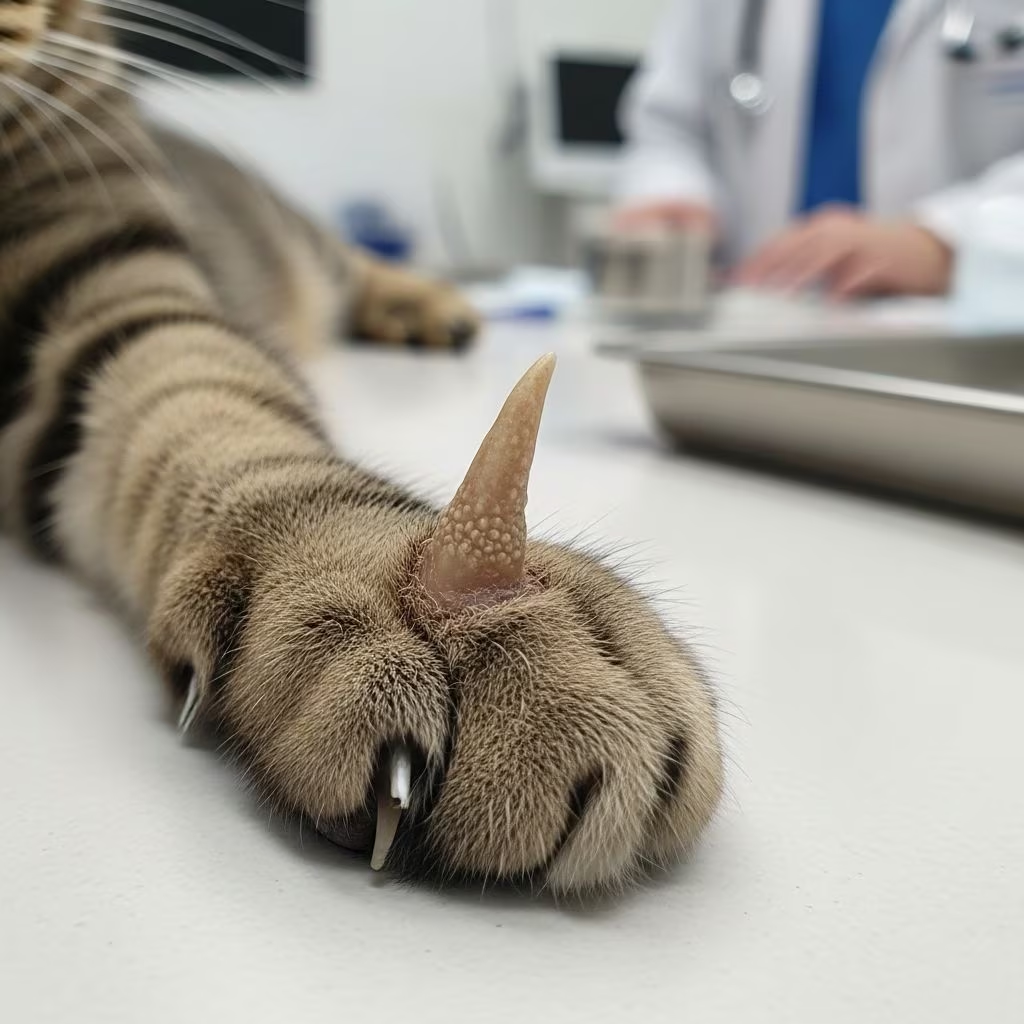
Cat cutaneous horns, often called horned paws, are hard, thickened skin growths protruding from the paw pads. While many are benign and harmless, some can signal underlying issues like Feline Leukemia Virus (FeLV) or cause lameness, requiring prompt veterinary attention.
What Are Cat Cutaneous Horns?
Feline footpad hyperkeratosis, commonly known as cutaneous horns on cats’ paws, results from excessive keratin buildup—the tough protein in skin, hair, and nails. These horn-like projections typically emerge from the sides of paw pads and are often discovered during routine nail trims or paw inspections.
Cutaneous horns appear as firm, elongated growths, sometimes solo or in clusters across multiple pads, face, or nose. They produce a distinctive clacking sound when cats walk on hard floors, but most are innocuous unless overgrown.
- Appearance: Thin, horn-shaped protrusions, crusty or feathery texture, resembling tiny horns or hairy pads.
- Common locations: Paw pad edges, central pads, occasionally nose or eyelids.
- Benign nature: Often just overproduction of keratin, like a callus from wear.
Unlike normal paw toughening, severe cases create painful cracks or fissures, leading to infections if untreated.
What Causes Cutaneous Horns on Cats?
Horned paws stem from hyperkeratosis, where keratin production goes into overdrive due to friction, trauma, or systemic disease. Environmental wear on outdoor cats thickens pads protectively, forming reactive horns on sides or near nails.
Central pad horns raise red flags, frequently linked to FeLV, which impairs immunity and bone marrow, causing multifocal keratin overgrowth. These cats may develop horns on nose or eyelids too, though the horns themselves remain benign.
Common Causes Breakdown
| Cause | Description | Associated Risks |
|---|---|---|
| Mechanical Friction/Trauma | Wear from rough surfaces or injury leads to callus-like horns on pad edges. | Low; protective adaptation. |
| Feline Leukemia Virus (FeLV) | Viral infection triggers central pad horns; saliva-transmitted, life-threatening. | High; immune suppression, cancer risk. |
| Oozing Cysts | Fluid hardens into dense horns. | Moderate; may need drainage. |
| Plasmacytic Pododermatitis (Pillow Foot) | Immune-mediated swelling thins pads, causing puffiness and horns. | Painful ulcers; linked to FIV. |
| Other (Rare) | Infections, papillomavirus, or squamous cell carcinoma mimics. | Biopsy needed for cancer rule-out. |
Secondary factors include bacterial/fungal infections disrupting skin turnover or harsh chemicals triggering protective barriers.
Symptoms of Horned Paws in Cats
Early detection prevents complications. Key signs include:
- Visible horn-like projections or crusty, sandpaper-textured pads.
- Clacking gait on floors from hard growths.
- Lameness, reluctance to walk/jump, or favoring affected paws—especially central horns.
- Excessive licking/chewing around paws indicating pain.
- Cracked, bleeding pads with redness, swelling, or discharge in advanced cases.
- Multifocal growths (pads, nose) suggesting FeLV.
Owners often spot them incidentally, but monitor for progression like rapid growth or ulceration signaling deeper issues.
Diagnosis: When to See a Vet
Always consult a vet for horned paws, even if asymptomatic—early intervention catches FeLV or cancer. Expect:
- Physical exam and history review.
- FeLV/FIV blood tests for central/multiple horns.
- Biopsy or cytology if malignancy suspected.
- Ruling out pillow foot via pad swabs.
Benign horns may need no action beyond monitoring; problematic ones require management.
Treatment Options for Cat Horned Paws
Treatment targets underlying causes while softening/removing excess keratin. Vets tailor plans based on severity.
1. Professional Trimming
Vets safely trim horns with clippers or Dremel under sedation if needed, preventing cracks. Home trimming risks injury—avoid unless trained.
2. Moisturizing Therapy
Daily paw soaks in warm Epsom salts followed by vet-approved balms (e.g., paw butter with shea butter, oils) hydrate and soften keratin. Apply 2-3x daily.
3. Medications
- Steroids/Immunosuppressants: For pillow foot or autoimmune cases (e.g., prednisolone).
- Antibiotics: For secondary infections.
- Antivirals: Rare for FeLV-related.
4. Home Care & Supplements
Omega-3 fatty acids, vitamin E support skin health. Provide soft surfaces, avoid irritants. Consistent routine yields results.
5. Surgical Removal
For cysts or non-responsive horns; biopsy ensures no cancer.
Prognosis excels for benign cases with diligent care; FeLV-positive cats need supportive therapy.
Prevention & Home Management
Minimize risks through:
- Regular paw checks during grooming.
- High-quality diet rich in skin-supporting nutrients.
- Indoor living or booties for rough terrains.
- FeLV vaccination and testing for at-risk cats.
- Moisturize proactively if pads dry.
Final Thoughts
Horned paws often seem quirky but warrant vigilance—benign in most, yet potential harbingers of FeLV or pododermatitis. Routine toe-bean exams empower early detection, ensuring your cat’s comfort and health. Consult your vet promptly for personalized care.
Frequently Asked Questions (FAQs)
Q: Are cat horned paws dangerous?
A: Most are harmless keratin overgrowths, but central or multiple horns may indicate FeLV or cause pain—vet evaluation essential.
Q: Can I trim my cat’s horned paws at home?
A: Professional trimming is safest; home attempts risk cuts. Use vet guidance and tools.
Q: Is hyperkeratosis curable in cats?
A: Manageable with moisturizers, trims, and treating causes; not always fully curable if chronic.
Q: Do all FeLV cats get horned paws?
A: No, but it’s a common sign in infected cats, especially central pads.
Q: How do I soothe painful horned paws?
A: Soak in Epsom water, apply balm, ensure soft bedding, and see vet for meds.
References
- Cat Horned Paws: What Is That Thing Growing on My Cat’s Paw? — Rover. 2023-05-15. https://www.rover.com/blog/cat-horned-paws/
- Cat Horned Paws: Our Vet Explains What It Is & What to Do — Catster (Ask the Vet). 2024-02-20. https://www.catster.com/ask-the-vet/cat-horned-paws-cutaneous/
- Hyperkeratosis in Cats: 5 Proven Treatments for Paw Health — The Pet Vet. 2024-08-10. https://thepetvet.com/hyperkeratosis-in-cats/
- Cat Skin Lumps, Bumps, and Cysts — PetMD. 2023-11-05. https://www.petmd.com/cat/symptoms/cat-skin-lumps-bumps-and-cysts
- Cat-horned paws: a guide to cat hyperkeratosis — Trusted House Sitters. 2024-03-12. https://www.trustedhousesitters.com/blog/pets/cat-horned-paws/



