

Cat Horned Paws: Our Vet Explains What It Is & What to Do
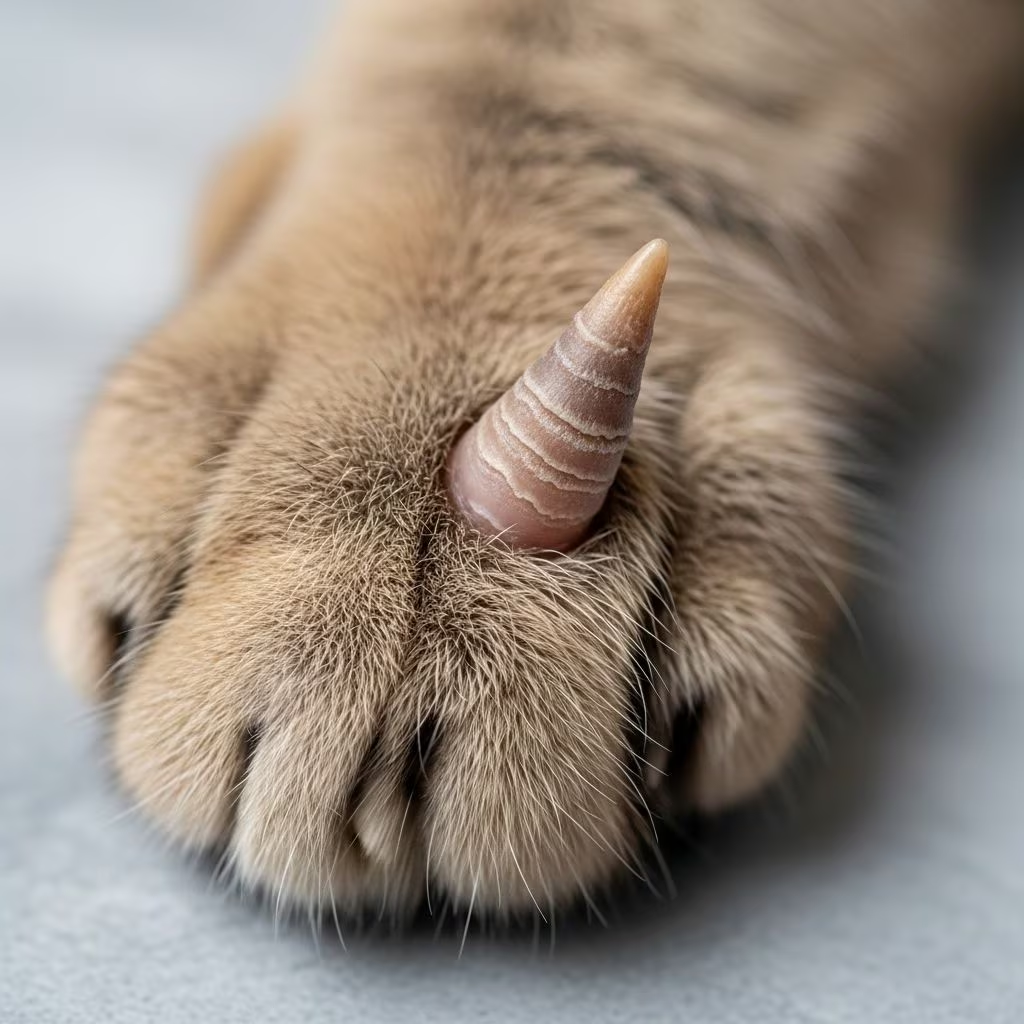
If you’ve noticed hard, horn-like projections growing from your cat’s paw pads, you may be wondering what these unusual growths are and whether they pose a health risk to your feline companion. These growths, known as cutaneous horns or horned paws, are made from hard, thickened skin growing from the paw pads. Although most are completely harmless, some may cause discomfort and lameness. Understanding what causes these growths and when they require veterinary attention is essential for responsible cat ownership.
What Are Cutaneous Horns in Cats?
Cutaneous horns are benign skin growths that develop on cats’ paw pads and, occasionally, on other body areas such as the face, nose, or eyelids. These growths are formed from an excessive buildup of keratin, the protein found in epithelial cells that forms the outer protective layer of skin, hair, and nails. Think of them as similar to calluses that develop on human feet from repeated friction and pressure.
The keratin buildup creates a horn-like or claw-like structure that typically resembles a second claw positioned just below the main nail. Most often, these horns grow from the side of the pad and are discovered incidentally during a nail clip or casual toe-bean inspection. While their appearance may alarm some cat owners, these growths are usually harmless and rarely cause problems unless they develop in weight-bearing areas of the paw pad.
What Causes Cutaneous Horns on Cats?
The development of cutaneous horns involves several potential causes, ranging from normal wear and tear to underlying health conditions. Understanding these causes can help you determine whether your cat’s horned paws require veterinary intervention.
Wear and Tear from Activity
Like a callus, some horns form as a result of wear and tear, as seen on cats with toughened pads that have adapted to exploring a range of outdoor surfaces. Pressure and friction lead to excessive keratinization of the pad, and a horn develops as a result. Particularly active outdoor cats are more prone to developing these horns because their paw pads experience constant contact with rough surfaces. This sort of reactive horn can also form as a result of acute trauma or damage to the pad. These reactive horns are usually found on the sides of the pad or near the nail bed and rarely cause problems. In fact, they may provide some protection against further damage to the paw pad.
Keratin Overproduction
In some cases, cutaneous horns develop simply because a cat’s body produces excessive amounts of keratin. This overproduction can occur spontaneously and isn’t necessarily linked to activity levels or injury. The body’s natural keratin-production process, which normally supports healthy hair and nail growth, goes into hyperdrive, resulting in the formation of horn-like projections on the paw pads.
Cyst-Related Development
Another potential culprit for horned paws involves oozing cysts on your cat’s skin. When a cyst develops, excess fluid from the cyst can build up, harden, and form a dense horn as part of the healing process. This mechanism differs from simple keratin overproduction but produces similar-looking results.
Feline Leukemia Virus (FeLV)
One of the most serious associations with cutaneous horns involves Feline Leukemia Virus (FeLV), a life-threatening disease transmitted in the saliva that affects the immune system and bone marrow. Cats that develop horns in the middle of their pads are more likely to have FeLV infection. These cats will sometimes have horns appear in other places as well, such as the nose and eyelids. There is little information explaining why horns are so prevalent in cats with FeLV, but in these cases, the horns themselves are benign—the concern lies with the underlying viral infection rather than the horns themselves.
Understanding Severity: When Horns Cause Problems
The location of cutaneous horns on the paw pad significantly determines whether they cause discomfort or complications:
- Side or edge of pad horns: These rarely cause problems and may provide protective benefits against further damage.
- Weight-bearing area horns: Cats that develop horns in the middle of their pads are more likely to develop discomfort and lameness as they put pressure on the underlying tissue with each step.
- Horn-related clicking: Many cats with harmless horned paws experience some amusing clacking or clicking sounds when walking on hard surfaces like floorboards, but this typically causes no pain or discomfort.
Associated Conditions and Diseases
While most cutaneous horns are benign, some may indicate underlying health concerns that require veterinary evaluation and treatment.
Plasmacytic Pododermatitis (Pillow Foot)
Also known as “Pillow Foot,” this condition results in the paw pads of one or more feet becoming puffy and susceptible to trauma. It is caused by the overstimulation of an inflammatory pathway, which may be due to an autoimmune problem, hypersensitivity reaction, or Feline Immunodeficiency Virus (FIV). Cats with pillow foot often present with painful or ulcerated lesions, as the condition causes thinning of the skin, and the enlarged tissue is more easily damaged. If your cat’s horned paws are accompanied by puffy, swollen pads, veterinary evaluation is essential to rule out this serious condition.
Other Serious Conditions
Some types of cutaneous horns are also associated with papillomavirus infection, actinic keratosis, and squamous cell carcinoma, though these associations are rare. If your cat develops horns that appear in unusual locations, are accompanied by scaly skin lesions, or develop rapidly, a biopsy may be recommended to rule out malignancy.
Recognizing Symptoms and Warning Signs
Most cats with benign cutaneous horns show no symptoms whatsoever. However, certain signs warrant veterinary attention:
- Lameness on the horned paw or difficulty walking
- Changes to activity levels
- Excessive licking or grooming around the affected paw
- Visible pain when the paw pad is touched
- Swelling or inflammation of the paw pad
- Discharge or signs of infection
- Multiple horns appearing across various paw pads
- Horns appearing in non-paw locations such as nose or eyelids
When to Seek Veterinary Care
Dr. Rebecca Greenstein explains: “Simple paw horns may be nothing to really worry about, but uncontrolled overgrowth of keratin may be linked to underlying issues like viral diseases, more complex larger skin conditions, or even cancers.” If your vet suspects the horns are the result of something more serious—like feline leukemia or cancer—they may recommend a biopsy and FeLV test.
Schedule a veterinary appointment if you notice any of the following:
- Your cat shows signs of pain or limping
- Horns appear suddenly or grow rapidly
- Multiple horns develop across different paws
- Horns appear in locations other than paw pads
- Your cat licks or chews at the affected area excessively
- Signs of infection such as discharge, swelling, or odor are present
Treatment and Management Options
Treatment for cutaneous horns depends on their location, severity, and whether they cause discomfort to your cat.
Monitoring and Observation
If horns are not causing lameness or discomfort, they can be ignored or periodically trimmed by a veterinarian during routine nail trimming appointments. Most benign horns grow slowly and may not require active treatment. However, maintaining regular veterinary check-ups allows your vet to monitor the horns and detect any changes that might indicate a more serious condition.
Professional Trimming
A veterinarian can safely trim or remove cutaneous horns during examination. However, the vet will advise on whether the growth can be removed without adversely affecting the paw pad itself. In most cases, professional trimming is a straightforward procedure performed during routine nail maintenance.
Paw Care and Comfort
Supporting your cat’s paw health through proper care can help prevent complications:
- Regular paw pad inspections to catch changes early
- Keeping paw pads clean and dry
- Providing soft surfaces for walking (rugs, mats) if your cat shows signs of discomfort
- Maintaining proper nutrition to support healthy skin and keratin production
- Using paw moisturizers as recommended by your veterinarian
Addressing Underlying Conditions
If cutaneous horns are associated with FeLV, FIV, or other serious conditions, veterinary treatment will focus on managing the underlying disease rather than the horns themselves. FeLV testing and treatment protocols should be followed under veterinary guidance.
Prevention Strategies
While some cutaneous horns develop spontaneously and cannot be completely prevented, several strategies may reduce the likelihood of their development:
- Maintain regular veterinary check-ups for early detection
- Keep indoor cats active with appropriate climbing structures and play
- Provide varied flooring surfaces to prevent excessive pressure on one area of the paw pad
- Monitor outdoor cats for injuries that might trigger horn development
- Ensure your cat receives a balanced, high-quality diet to support healthy skin and keratin production
- Keep FeLV and FIV vaccinations current through regular veterinary care
Final Thoughts
A seemingly harmless problem, cutaneous horns on cat paws can actually be an indicator of a more serious illness and should not be ignored. In many cases, these will be benign growths, but it’s always best to find out. Because cats don’t always tell us when there is a problem, it’s up to us to regularly check our pets, top to tail, paying special attention to the toe-beans.
Regular paw inspections should become part of your routine cat care, especially during nail trimming or casual playtime. Notice any changes in your cat’s gait, activity level, or paw appearance and report them to your veterinarian promptly. With proper attention and veterinary guidance, most cats with cutaneous horns live happy, healthy lives.
Frequently Asked Questions
Q: Are horned paws painful for cats?
A: Most cutaneous horns are painless, especially those located on the sides or edges of paw pads. However, horns developing in weight-bearing areas of the pad can cause discomfort and lameness. If your cat shows signs of pain or limping, veterinary evaluation is necessary.
Q: Can I remove my cat’s cutaneous horns at home?
A: It is not recommended to remove horns at home. Improper removal could damage the paw pad or introduce infection. A veterinarian should handle any removal or trimming to ensure proper technique and prevent complications.
Q: Are cutaneous horns a sign my cat has feline leukemia?
A: Not necessarily. While FeLV-positive cats often develop horns in the center of their paw pads, most cutaneous horns are unrelated to FeLV. However, if your cat develops horns in the middle of paw pads or shows other symptoms, FeLV testing is recommended.
Q: How often should I check my cat’s paws for horns?
A: Incorporate paw checks into your regular grooming routine—ideally during nail trimming or weekly during cuddle sessions. This allows early detection of any changes or new growths.
Q: Can outdoor cats avoid developing horned paws?
A: Outdoor cats may naturally wear down horns as they develop, so horns often go unnoticed in active outdoor cats. Providing varied surfaces and preventing traumatic paw injuries may help reduce horn development in cats of all activity levels.
References
- Cat Skin Lumps, Bumps, and Cysts — PetMD. https://www.petmd.com/cat/symptoms/cat-skin-lumps-bumps-and-cysts
- Cat Horned Paws: What Is That Thing Growing on My Cat’s Paw? — Rover. https://www.rover.com/blog/cat-horned-paws/
- Hyperkeratosis in Cats: 5 Proven Treatments for Paw Health — The Pet Vet. https://thepetvet.com/hyperkeratosis-in-cats/
- Horned Paws — The Messybeast. http://messybeast.com/horned-paws.htm
- Cat-horned paws: a guide to cat hyperkeratosis — Trusted House Sitters. https://www.trustedhousesitters.com/blog/pets/cat-horned-paws/



